Custom Mailer Boxes Printed With Your Brand
Corrugated and paperboard mailers printed inside and out, sized to your product. Free proof, production in 4–6 business days.
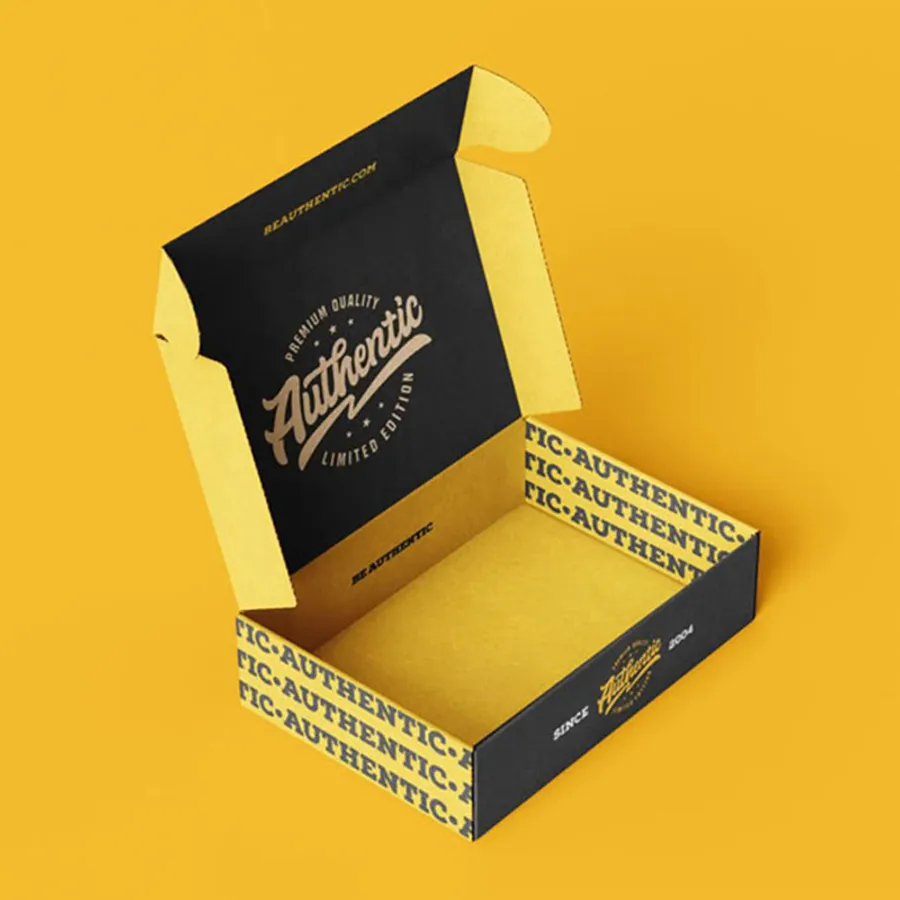
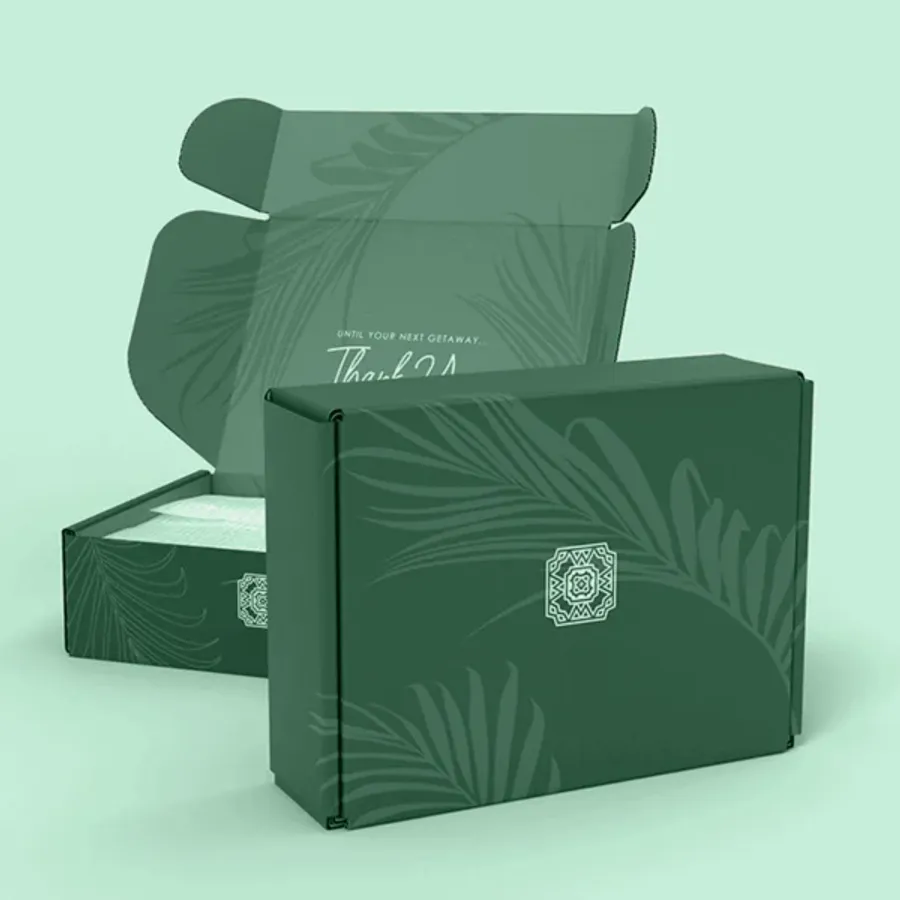
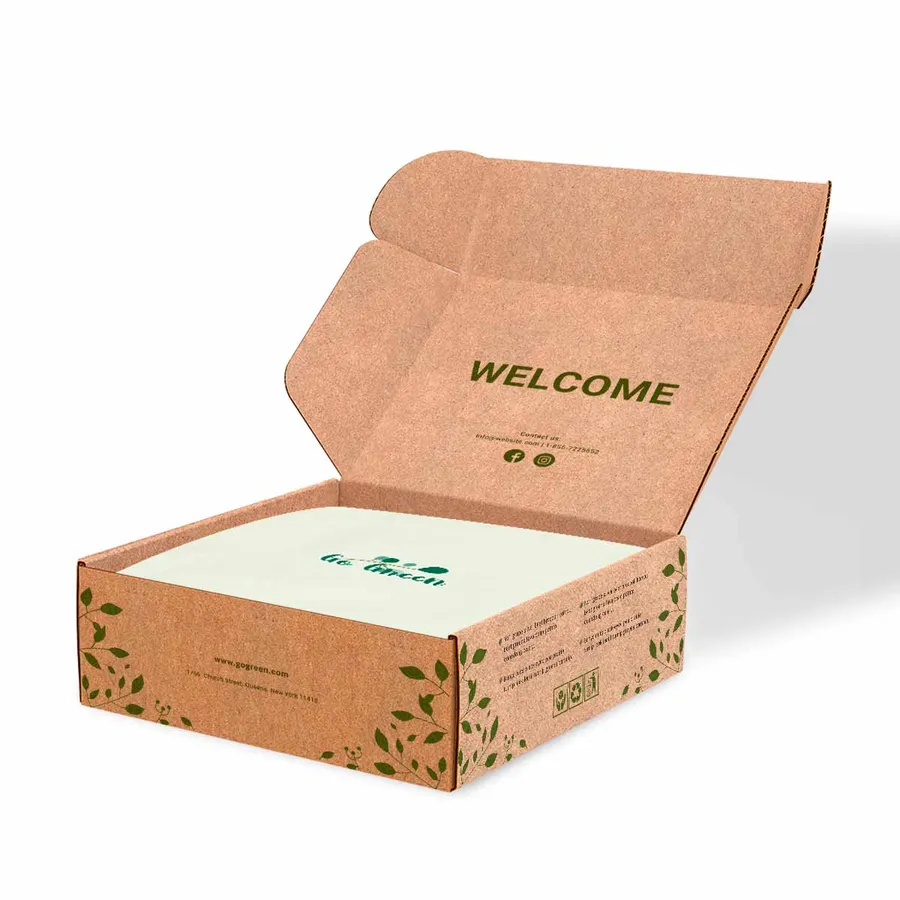
Shop by box style
Every style below folds from one sheet of board. The difference is how the lid locks and how fast it packs. Pick a tab to see the boxes built that way.
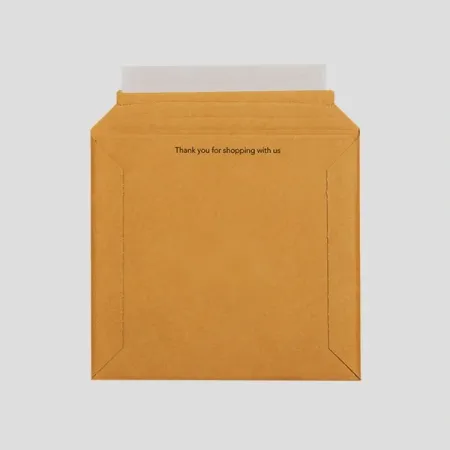
Roll end tuck front. Double-thick front and side walls. The lid tucks into the base and holds without tape.
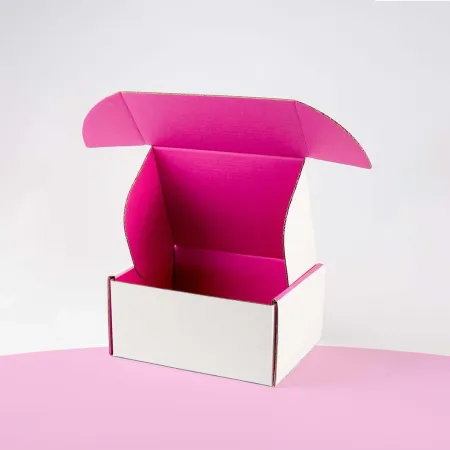
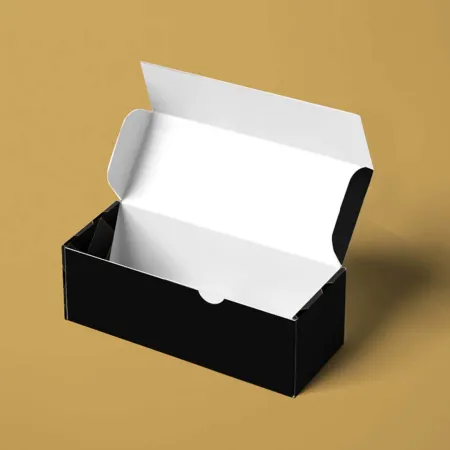
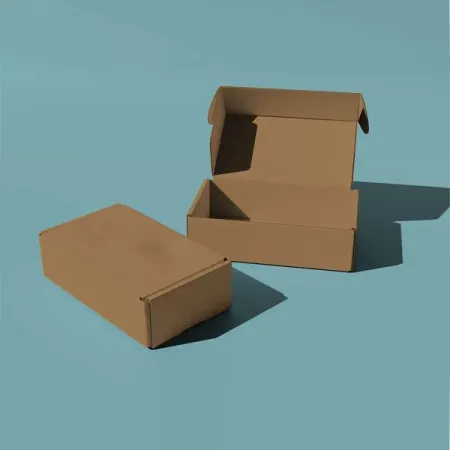
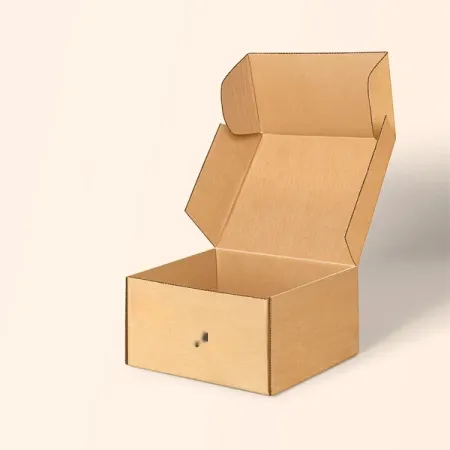
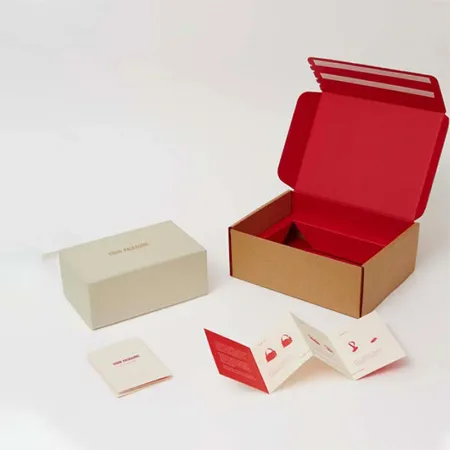
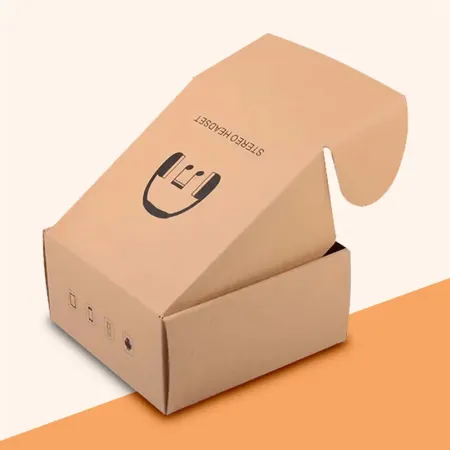
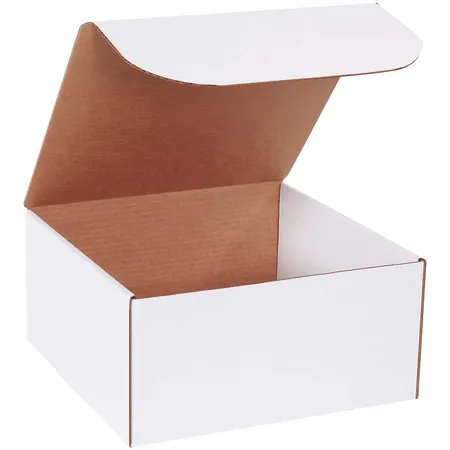
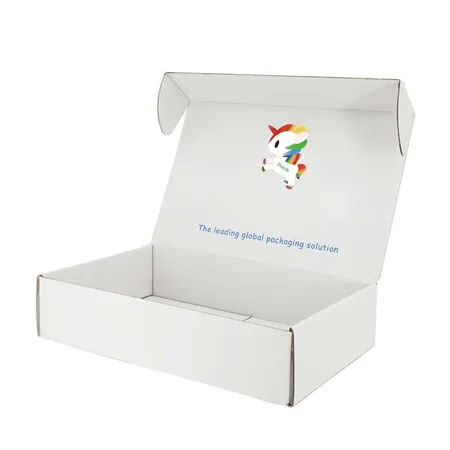
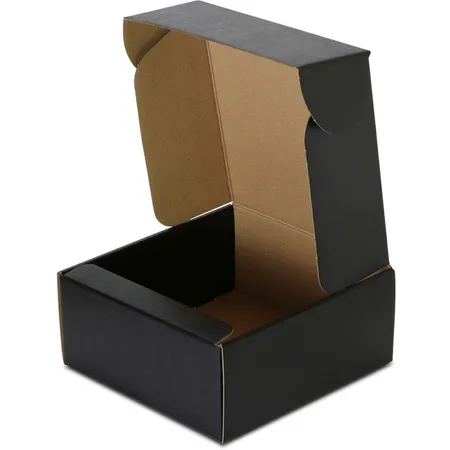
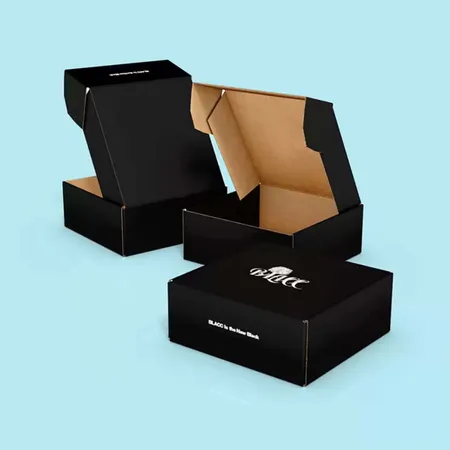
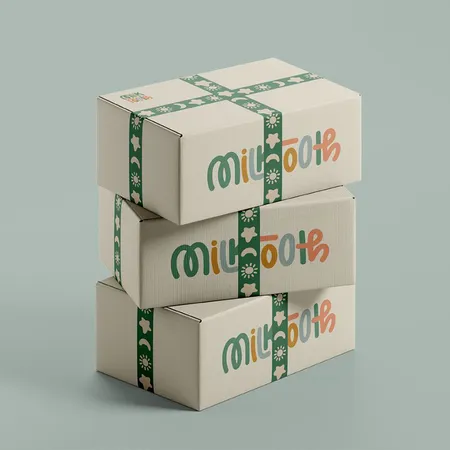
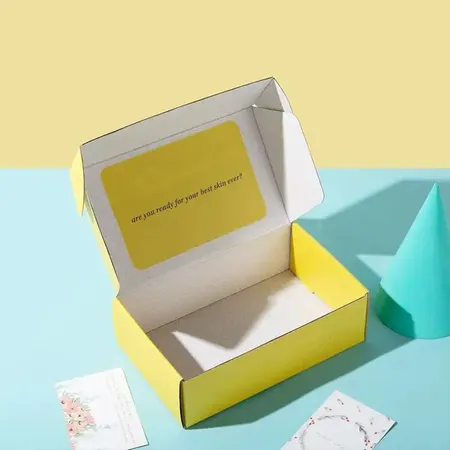
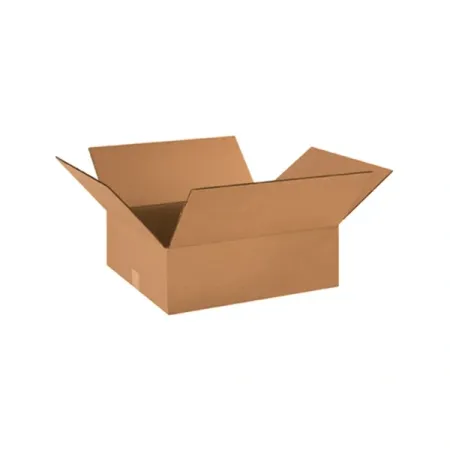
Tuck top and ear lock. A lighter build for small and flat goods. Ear lock adds side tabs for a firmer close.
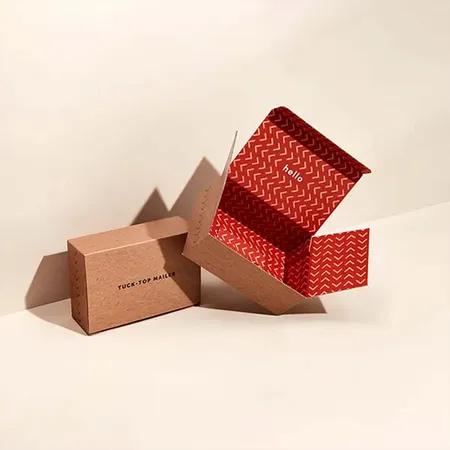
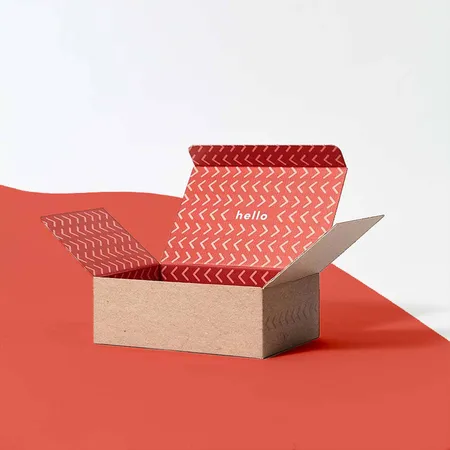
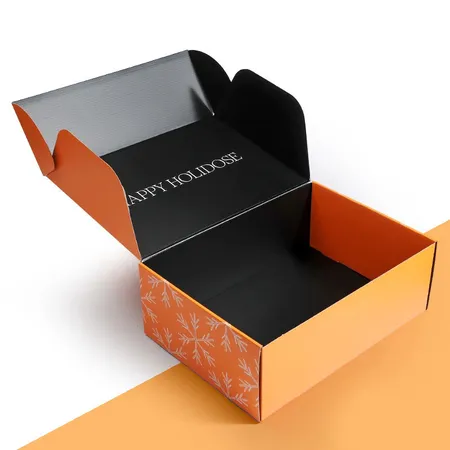
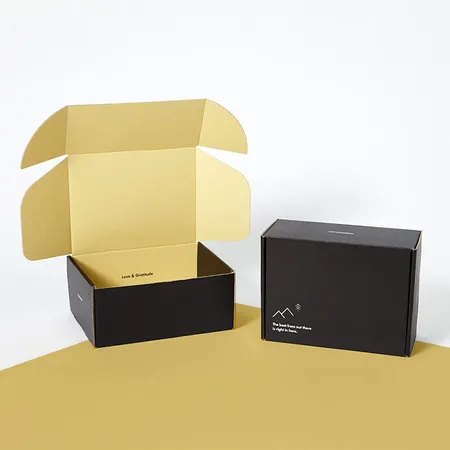
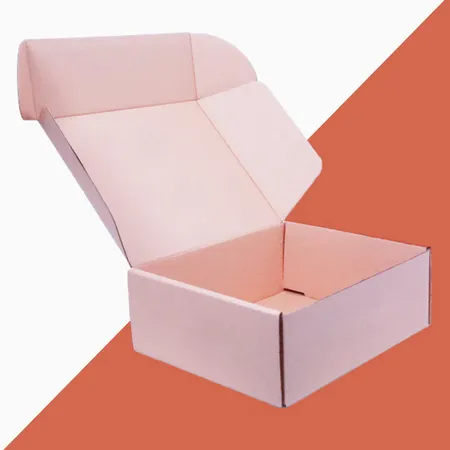
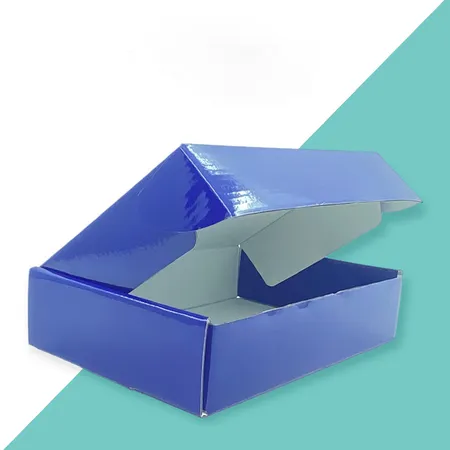
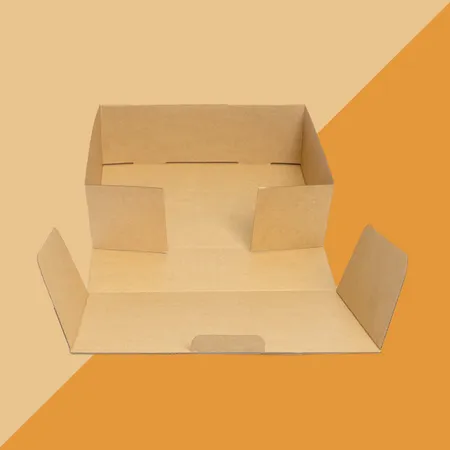
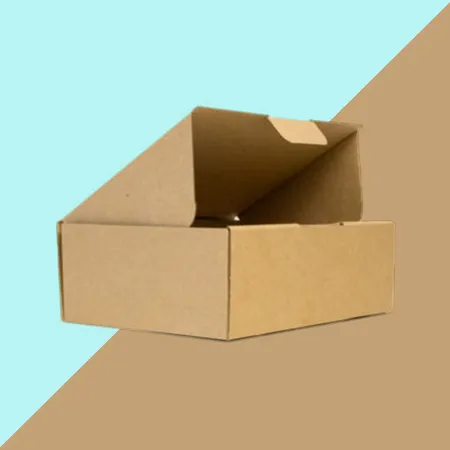
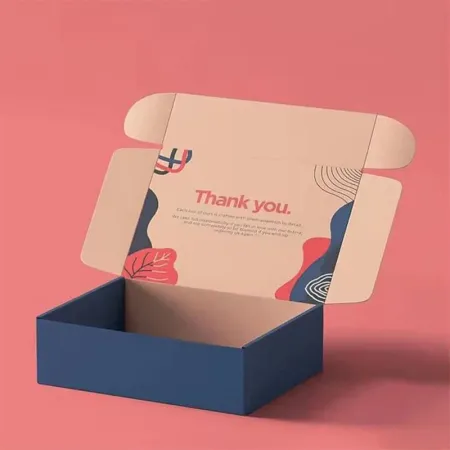
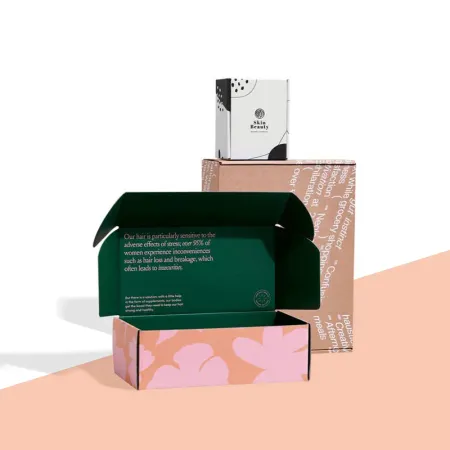
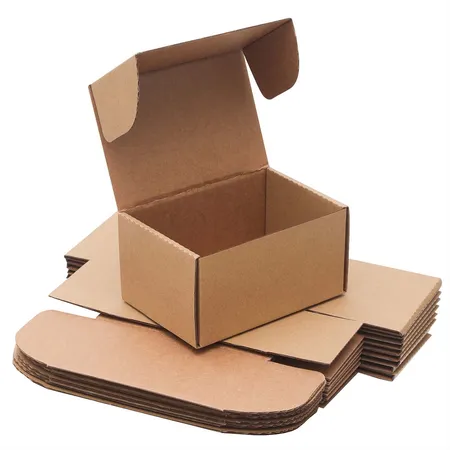
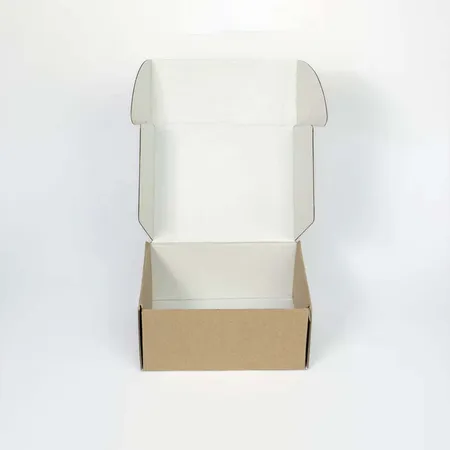
Self seal and tear strip. A peel-and-seal strip closes the box. A tear strip lets your customer open it by hand.
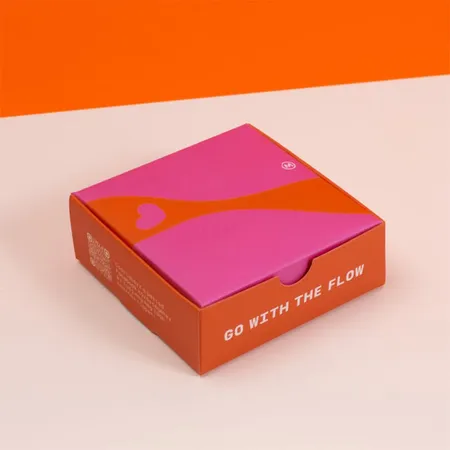
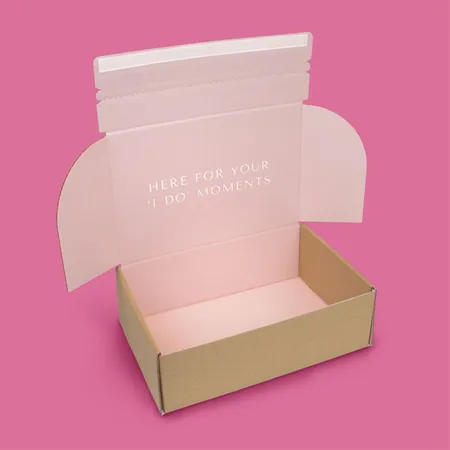
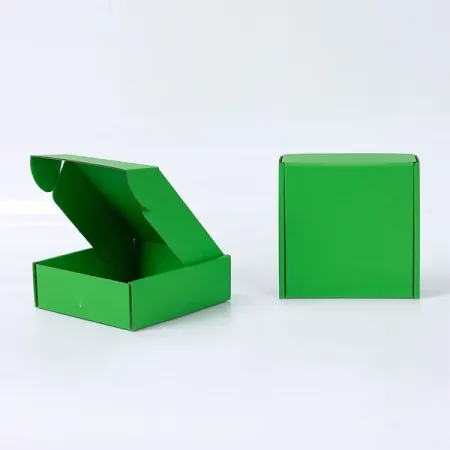
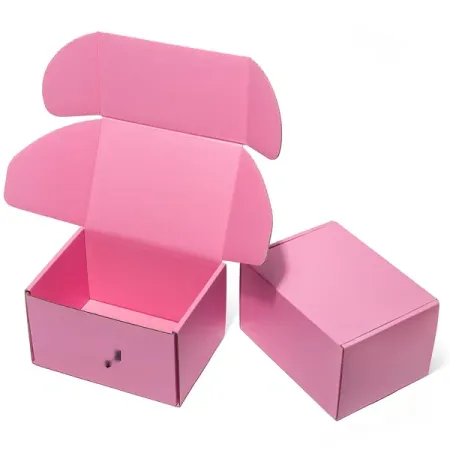
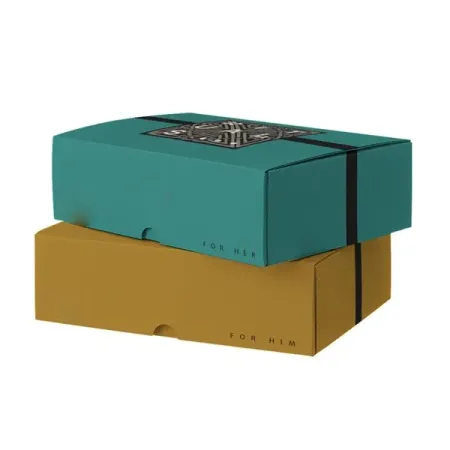
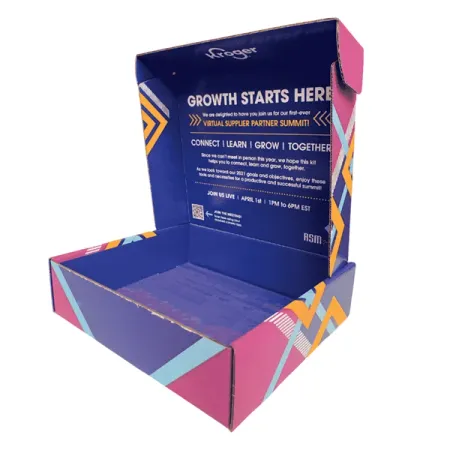
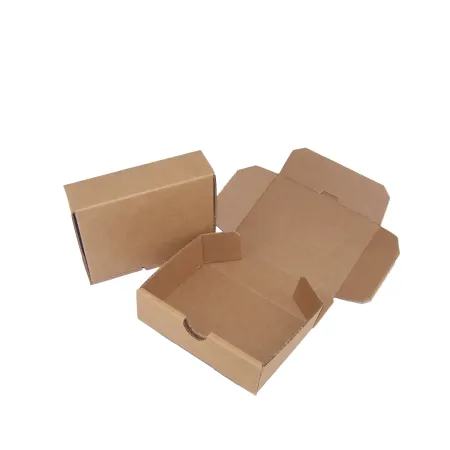
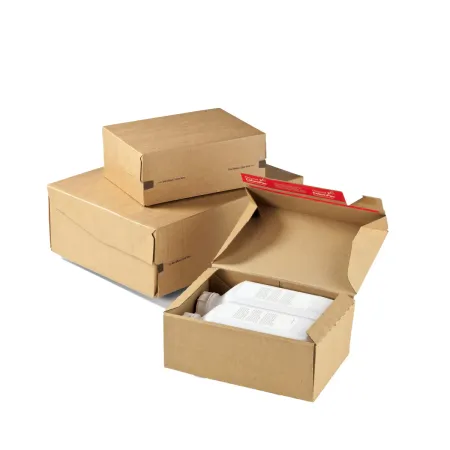
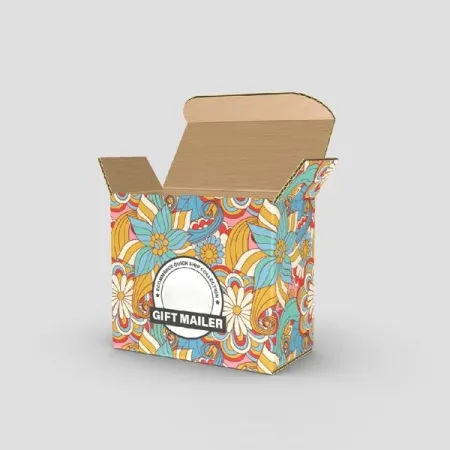
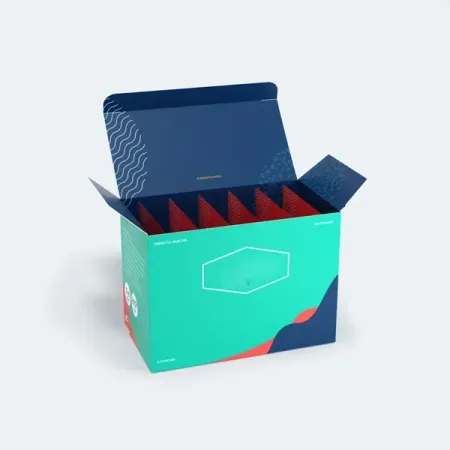
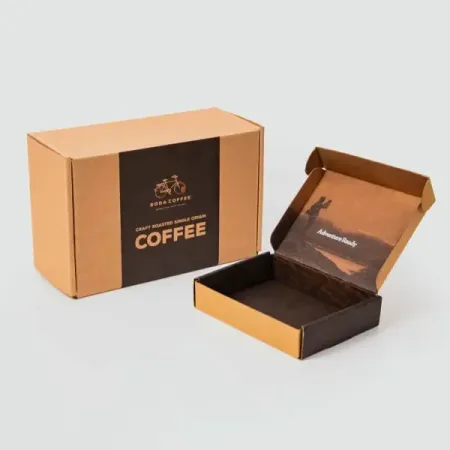
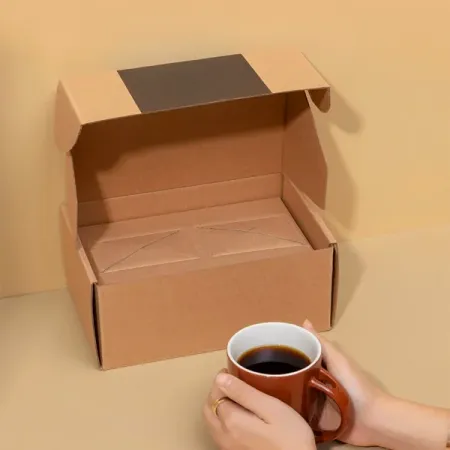
Side and end loading. The product slides in from one end. A good fit for long, flat or round items.
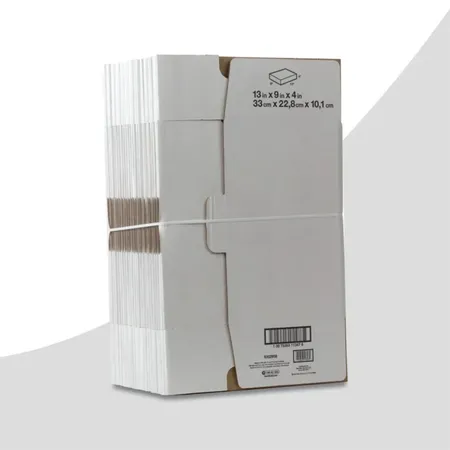
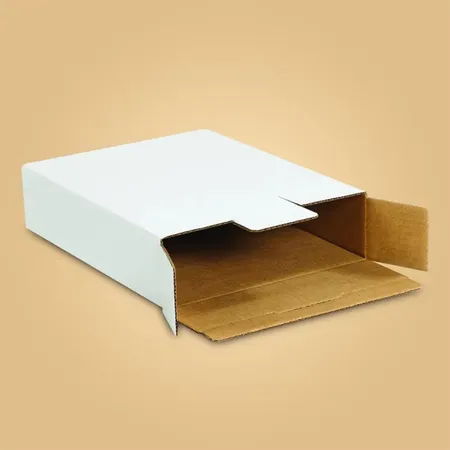
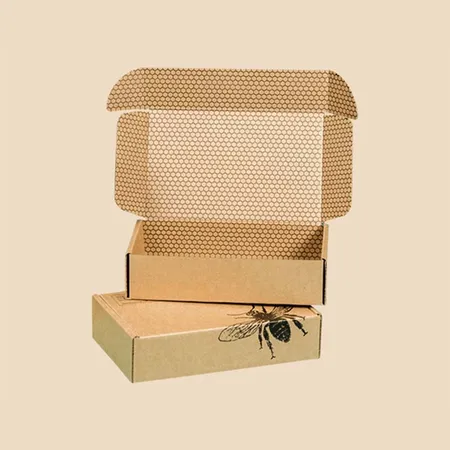
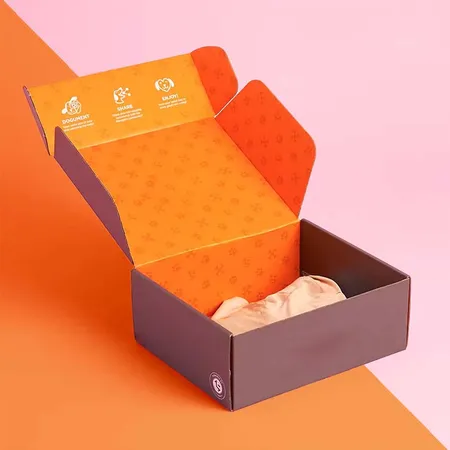
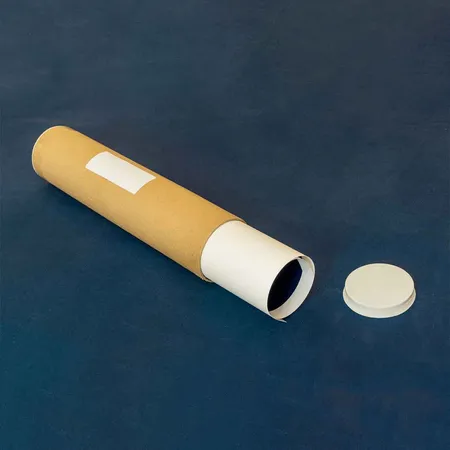
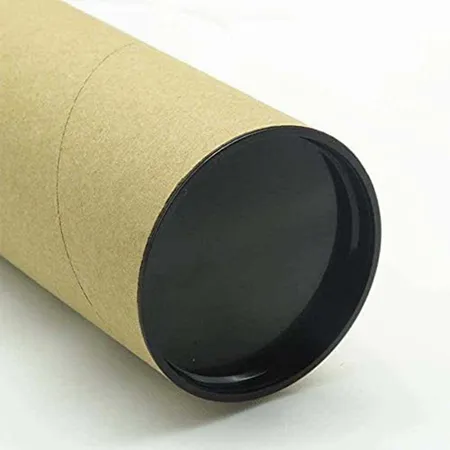
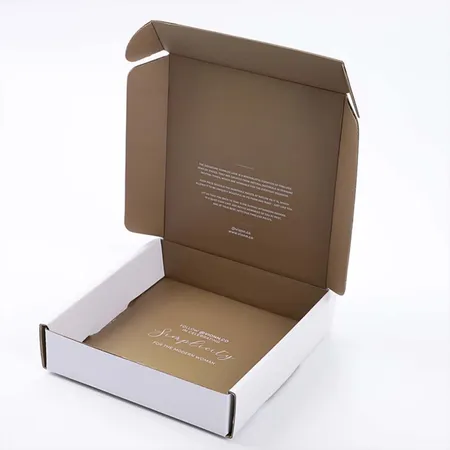
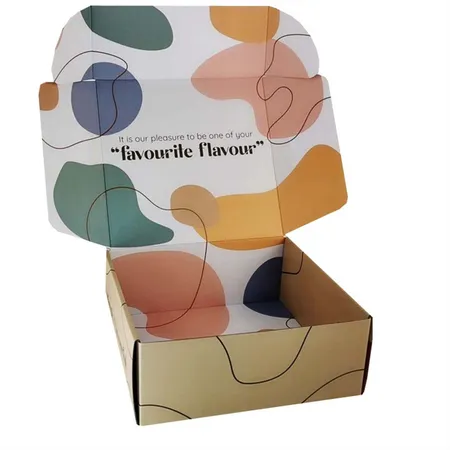
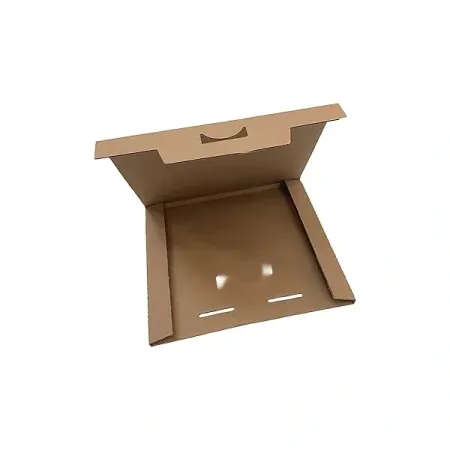
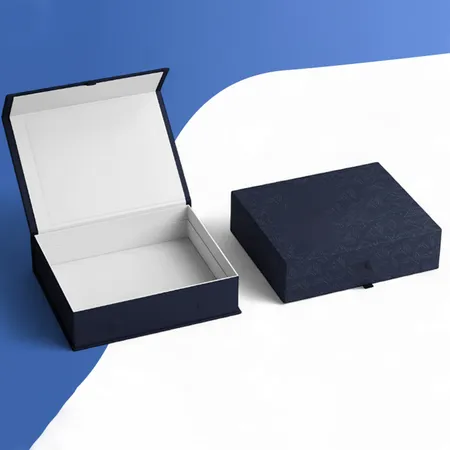
Rigid and premium. Paper-wrapped board, pressed logos and fitted inserts for gifts and launches.
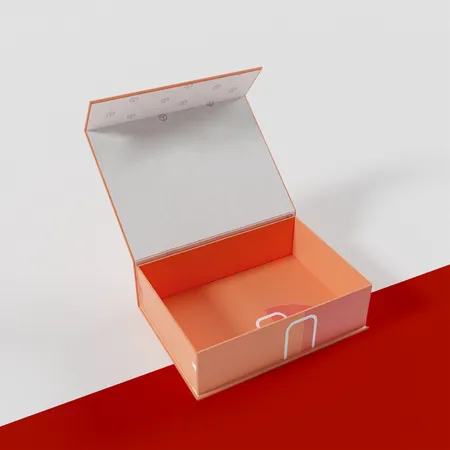
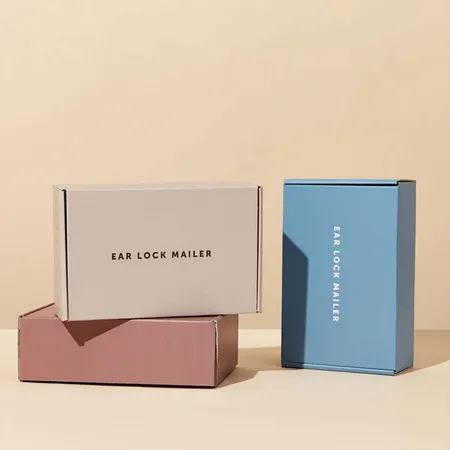
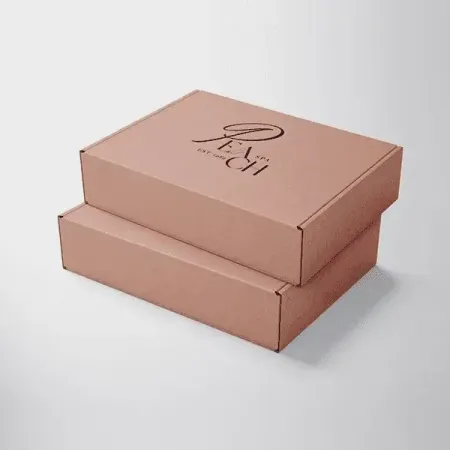
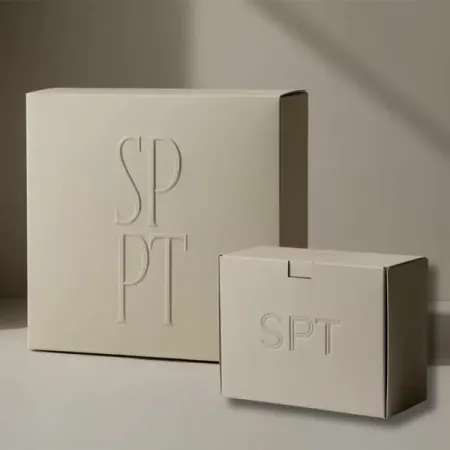
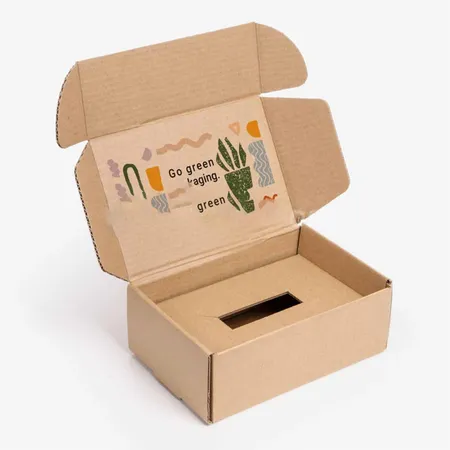
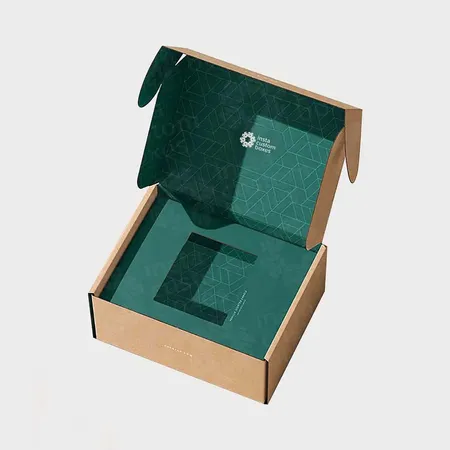
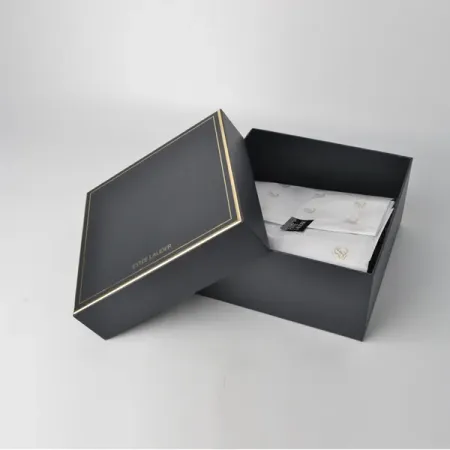
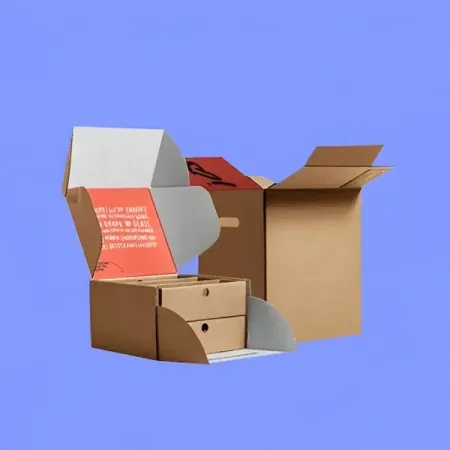
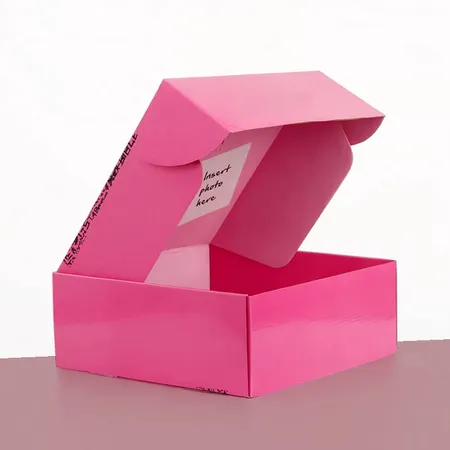
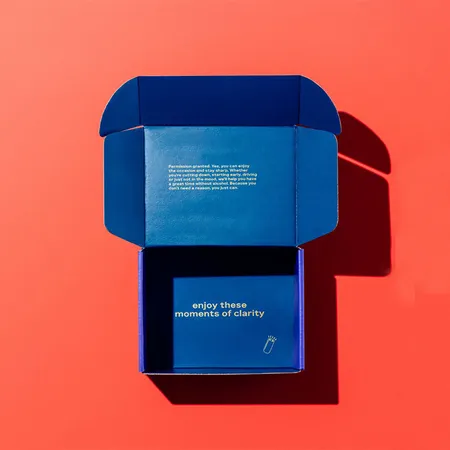
Mailer box styles and how each one closes
The style decides how the box locks, how quickly it packs and how it opens. Most brands start with roll end tuck front mailer boxes and switch only when the product needs something else.
- Roll end tuck front: double-thick front and side walls, with a lid that tucks into the base.
- Tuck top: a lighter build where the lid flap tucks into the front wall.
- Ear lock: small ears on the lid lock into side slots for a firmer close.
- Self seal: a peel-and-seal strip shuts the box without a tape gun.
- Tear strip: a pull strip lets the customer open the box by hand.
- Side loading tab lock: the product slides in from one end, which suits long or flat items.
Shop by industry
Each industry page covers the inserts, sizes and print choices that suit that product. Pick yours to see real examples, a spec table and the questions other sellers ask.
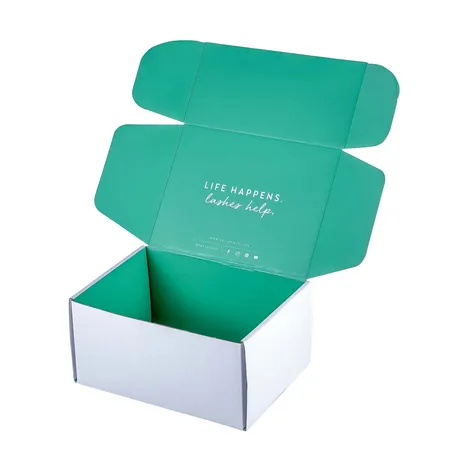
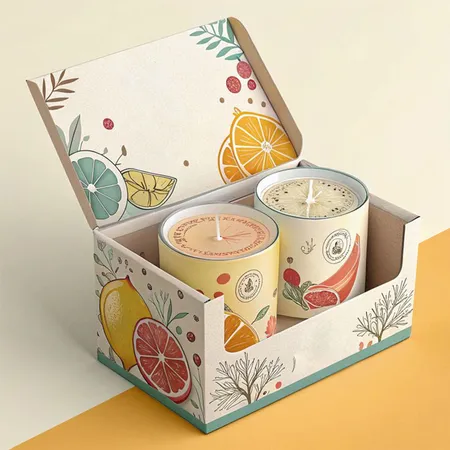
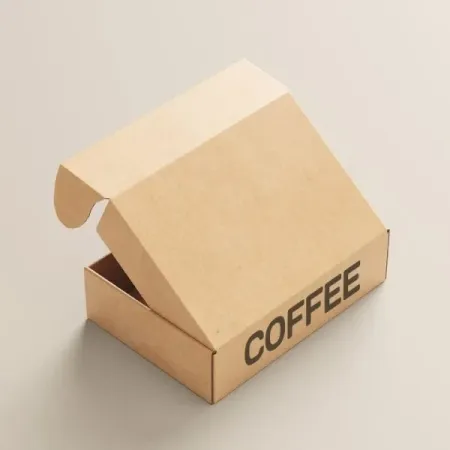
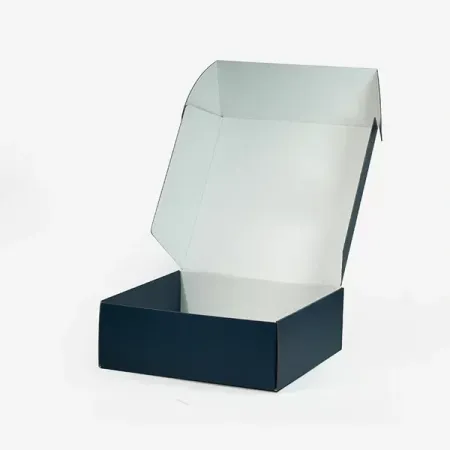
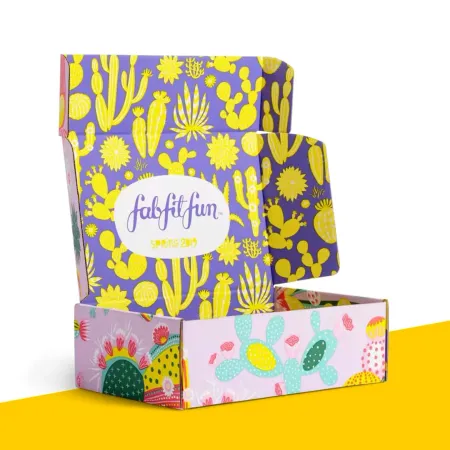
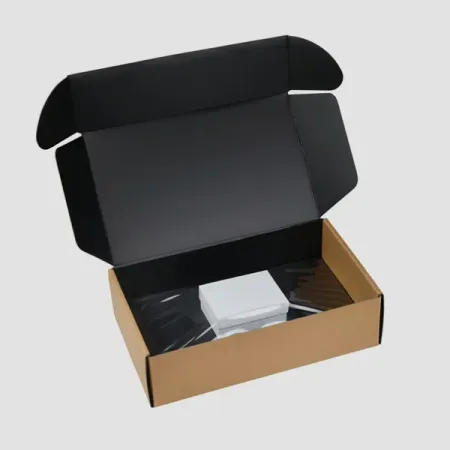
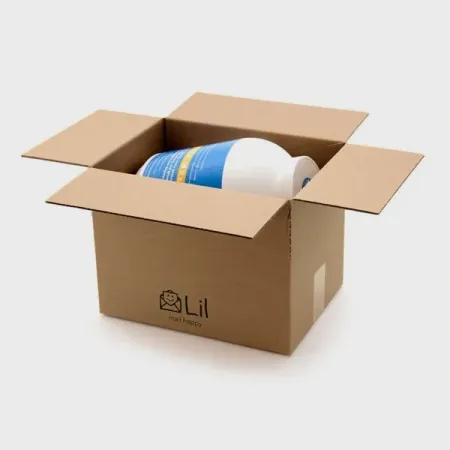
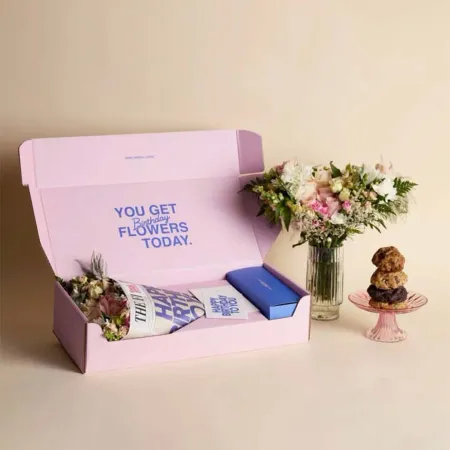
Who orders custom mailer boxes from us
Online stores use one printed mailer as both the shipper and the gift box. Subscription brands keep the outside fixed and change the inside print each season.
Bakeries send cookie and treat orders in small printed mailers. Boutiques and clothing labels fold shirts and accessories into E-flute boxes with tissue.
Makers pack candles, prints and handmade goods, and company teams send welcome kits and client gifts. You can browse mailer boxes by industry to see the options for your field.
What a mailer box is and how it differs from a carton
A mailer box is a one-piece folding box with a hinged lid that ships on its own. No outer carton goes around it, so the printed box is the first thing your customer touches.
Most mailers fold from a single die-cut sheet. They store flat, then fold up at the packing table in seconds, usually with no tape on the base.
A standard shipping carton opens from the top with four flaps and is made to be thrown away. A mailer lifts open like a lid, which turns a delivery into a small presentation. The guide to planning the unboxing shows how to use that moment.
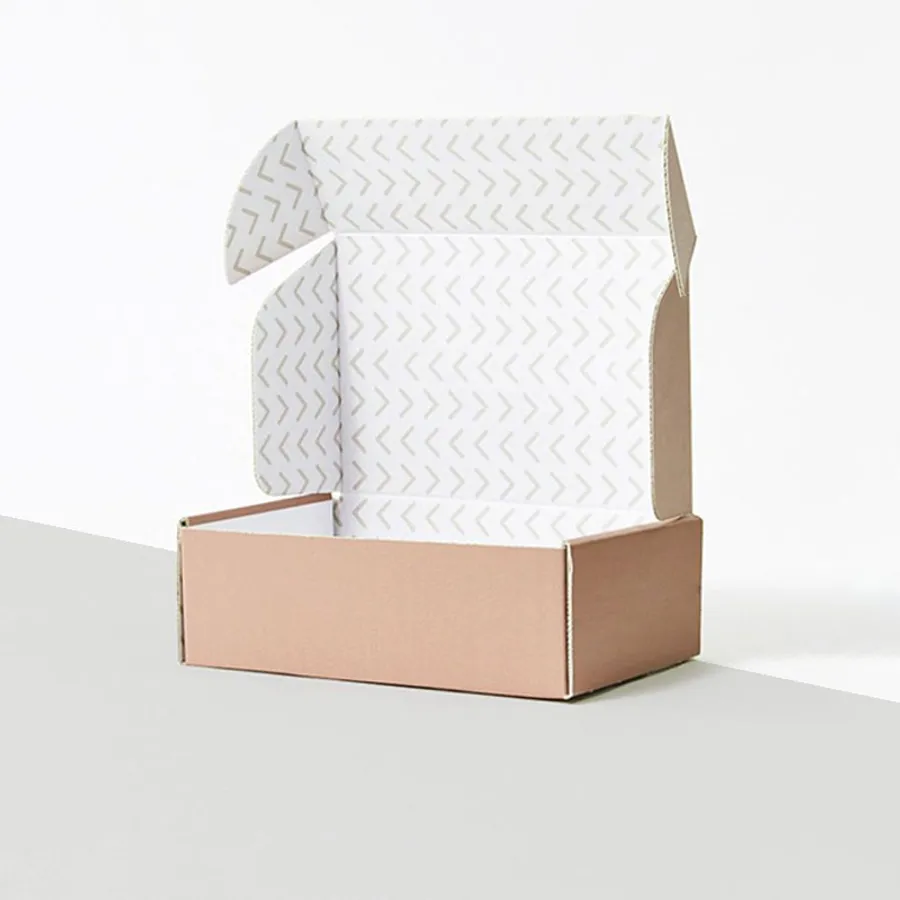
Always quote the inside size: length, then width, then depth.
Sizing a mailer box to your product
Always size a mailer from the inside. Measure the product, or the product in its retail pack, as length by width by height in inches.
Length and width are the footprint you see from above with the lid open. Height is the depth from the base to the closed lid.
Leave a little room for tissue, a card or an insert, but not so much that the product slides. Loose contents dent corners and arrive looking tired.
If you sell several products, two or three sizes usually cover every order. Our step-by-step mailer box sizing guide walks through the measuring.
How to measure for a mailer
- Measure the product, or the group of items, at its widest points.
- Add room for any tissue, insert or card you plan to put inside.
- Write the size as length x width x depth, in that order.
- Send that inside size with your quote. We check it against the style before the proof.
- Not sure where to start? Send the product size and weight, and we suggest a box.
Corrugated or paperboard: choosing the board
Corrugated board has a fluted middle layer glued between two liners. E-flute is about 1.5 mm thick and prints crisply; B-flute is about 3 mm and carries heavier goods.
Paperboard has no flute. At 18 to 24 pt, SBS or kraft paperboard makes a light, sharp-edged mailer for small items like cosmetics, cards or jewelry.
Rigid chipboard wrapped in printed paper is the premium build. It weighs more and keeps its shape long after the order arrives.
A simple rule helps. Light, small orders suit paperboard or E-flute, while heavy or breakable orders need B-flute. The corrugated versus paperboard comparison covers the details.
| Board | Thickness | Best for |
|---|---|---|
| E-flute corrugated | 1.5 mm | Apparel, beauty sets, subscription kits |
| B-flute corrugated | 3 mm | Heavier goods, glass, multi-item orders |
| SBS paperboard | 18–24 pt | Small, light items with sharp print |
| Kraft paperboard | 18–24 pt | Small items with a natural brown look |
| Rigid chipboard | Paper-wrapped board | Premium gifts and keepsake boxes |
Printing inside the box and picking a finish
We print full color CMYK and match Pantone colors for exact brand shades. On kraft board, white ink keeps pale logos readable.
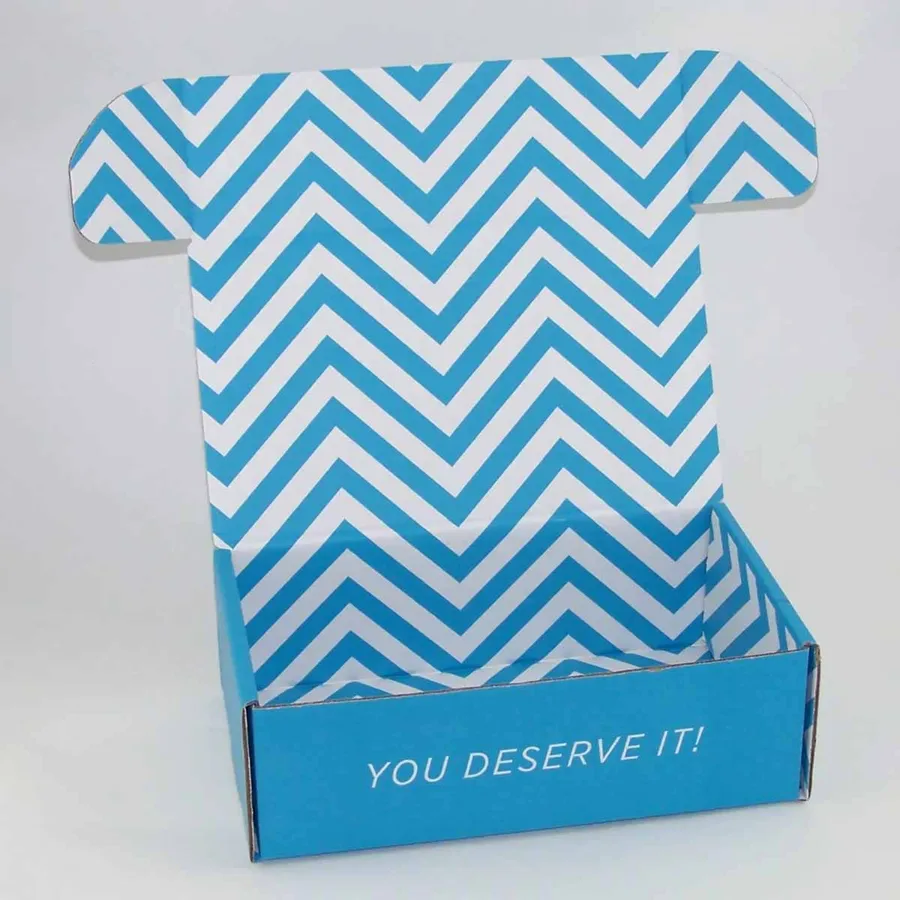
Inside printing is what customers photograph. The inside of the lid is seen first, so a short message or pattern there does most of the work.
Matte, gloss and soft-touch lamination protect the print and set the feel. Aqueous coating is a lighter seal for everyday boxes.
Spot UV, foil stamping, embossing and debossing pick out a logo or a single line. Our printing and finishing options explained page shows each effect.
From artwork to your door
Four steps, and you approve each one before anything goes to press.
- 1Send size and artwork
Share inside dimensions, quantity and your logo through the quote form or by email.
- 2Review a free proof
A designer lays your logo onto the flat box template, and you ask for changes freely.
- 3Approve and we print
We start printing right after your sign-off, and the run lasts 4–6 business days.
- 4Free delivery
Cartons land in 2–3 business days, and freight costs you nothing.
What brands ask before a first mailer order
The 12 questions brands ask before a first order. More in our full mailer box FAQ.
Is inside printing available on a mailer?
Yes, we print inside surfaces in full color, alone or together with the outside. The inside of the lid is the panel customers see first.
Do you print on kraft mailer boxes?
Yes. Kraft board takes CMYK and Pantone inks, and white ink helps light logos stand out on the brown surface.
How long does an order take from proof to delivery?
Plan on 4–6 business days of production once the proof is signed off. Carriers then need 2–3 business days to deliver.
Do I need print-ready artwork?
No. Send a logo or a rough idea and our team sets up the design. You get a free digital proof and unlimited revisions.
What happens if my boxes arrive misprinted or damaged?
Report it within 10 days with photos and we reprint or refund the affected boxes. The full terms are in our return policy.
How do I measure for a custom mailer box?
Measure the length, width and height of the product in inches and send them as inside dimensions. Tell us about any insert or tissue so we allow room for it.
Which board should I pick for my mailer?
Small, light items suit paperboard or E-flute corrugated. Heavy or fragile goods suit B-flute, and premium gifts suit rigid chipboard.
Can the box hold the product in a fitted slot?
Yes. We make paperboard and corrugated inserts that hold each product in place during transit.
What is the difference between a mailer box and a shipping box?
A mailer box has an attached hinged lid and is printed to be opened by the customer. A shipping box is usually a top-opening carton built mainly for transit.
Can a mailer box go in the mail without an outer carton?
Yes. Corrugated mailers travel on their own with the label on the lid. Paperboard mailers suit light items or can ride inside a larger carton.
How much do custom mailer boxes cost?
Prices start from $0.30 per unit. Your exact price depends on size, material, quantity and finish, and we confirm it in your quote.
Do I pay for delivery?
No. Delivery costs nothing for addresses in Canada, Australia, the UK and the US.