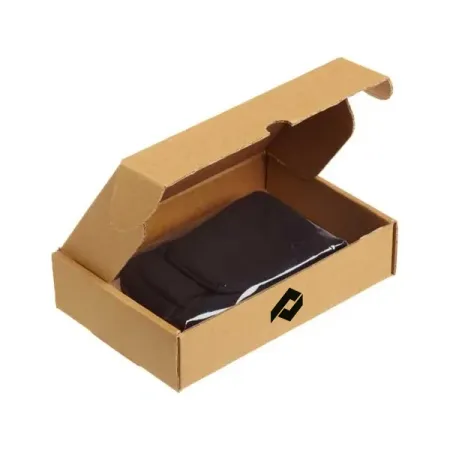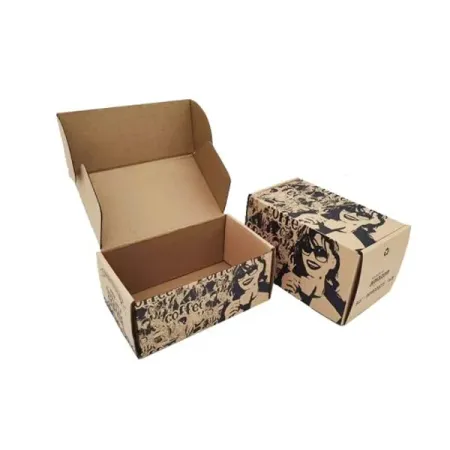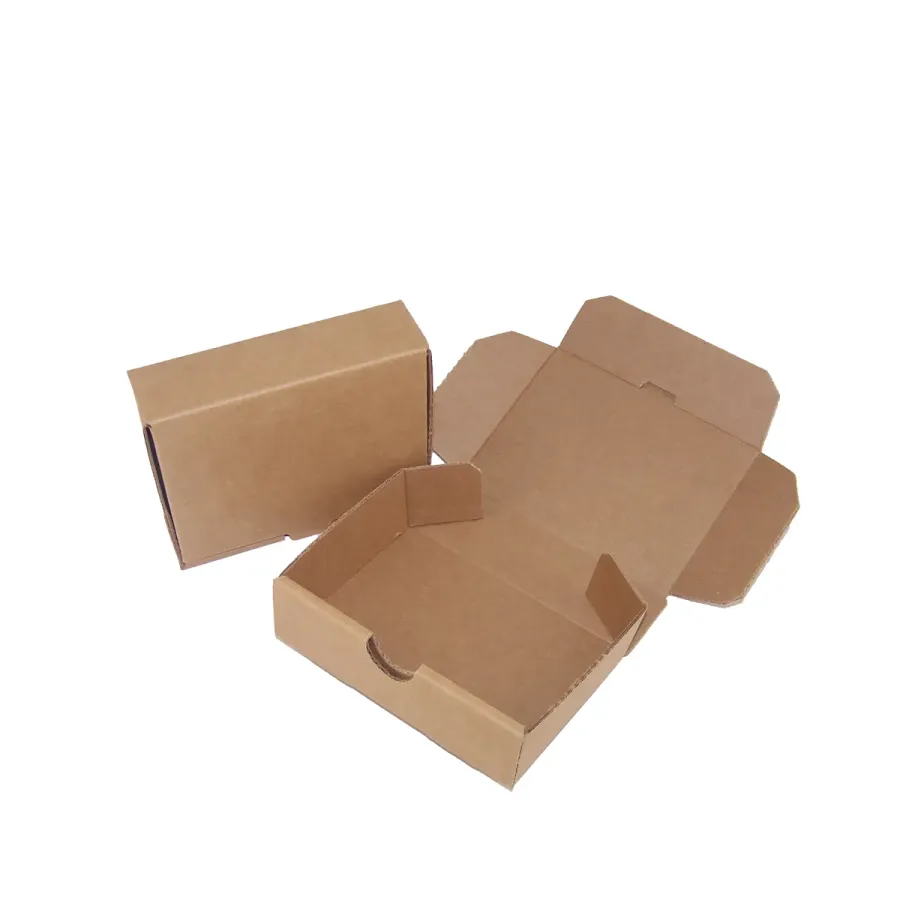
Why postal boxes start with the postage band
National postal services group parcels by size and weight. Each step up a band costs more, and it applies to every order you send.
A postal box is designed outside in. We start from the band's outer limits, subtract the board thickness, and see what space is left for your product.
That is the opposite of most boxes, which start from the product. It suits sellers whose margin depends on the postage line.
Picture a seller posting a few hundred orders a month. Dropping one band on each parcel adds up to a real saving over a year.
Postal limits change from time to time, so always check the current ones with your service. Give us the numbers you are working to, and we design to them.
Who ships in postal boxes
Small online shops that send through the national post are the main buyers. Think jewelry makers, sock and underwear brands, booksellers and beauty sellers.
Letterbox gift companies use them for cookies, flowers, tea and small treats. The box has to slide through a door slot to avoid a missed delivery.
Print shops and stationery brands send cards, prints and notebooks in flat postal boxes. Our stationery shipping boxes go deeper on paper goods.
Sellers who ship across the US, UK, Canada and Australia often keep one postal box per region. The bands differ slightly between services.
Repair and refill services also use them. A customer gets an empty postal box, sends an item back, and the return parcel stays in the same cheap band.
Board thickness eats into space
Every wall of the box takes up room. E-flute is about 1.5 mm thick, so a closed box loses a few millimeters on each side.
On a shallow letter-sized box, that matters a lot. The lid and base together can use up a noticeable share of the allowed depth.
For the thinnest bands, 18–24 pt SBS paperboard saves space. It suits light, flat items that do not need cushioning.
Corrugated still wins for anything breakable. If the product is fragile, it may be cheaper to step up one band than to pay for replacements.
Our guide comparing corrugated and paperboard mailers explains strength versus thickness in more detail.
Closures that suit the post
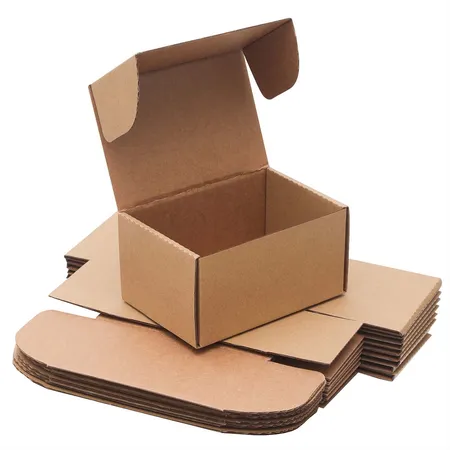
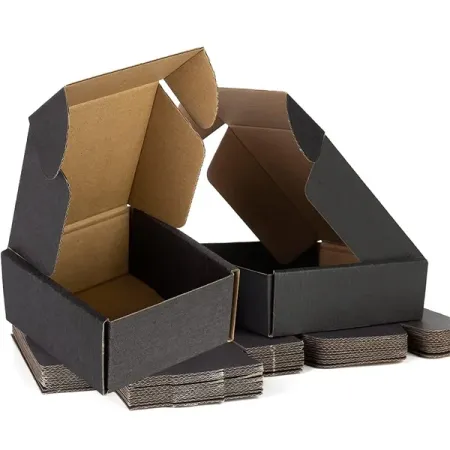
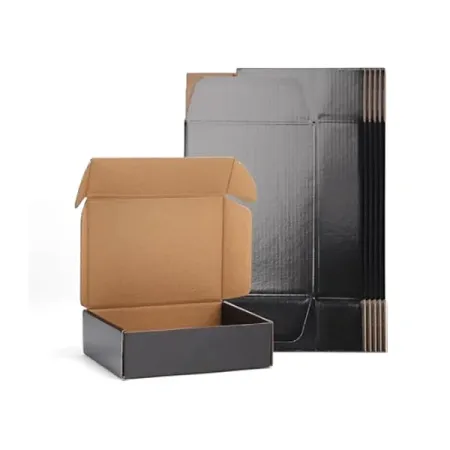
A roll end tuck front closes without tape and keeps the box flat. It suits most postal boxes.
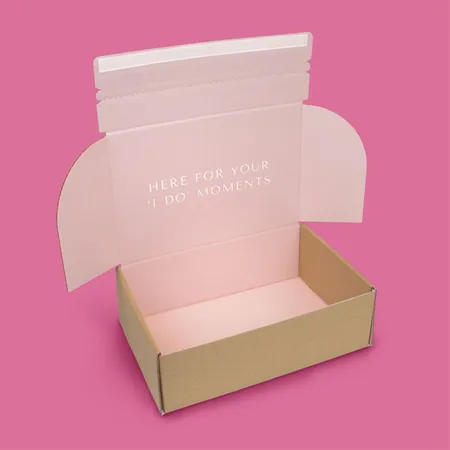
A self seal strip lets you close the box with a peel-and-press flap. It stays sealed through sorting machines, and packing is quicker.
Adding a tear strip gives the customer a clean way to open the box. For sellers who ship many orders, our self seal mailing boxes explain the adhesive strip in more detail.
Combining both gives a fast seal on your side and an easy opening on theirs.
Avoid wrapping a postal box in extra tape. Each layer adds a little thickness, and on a letter band that can be enough to fail the slot.
A small printed seal sticker is a neater choice. It holds the flap and adds almost nothing to the depth.
Address panels and printed branding
Postal boxes need a clean area for the address label and postage. Keep that panel plain and on the lid, where sorting staff look first.
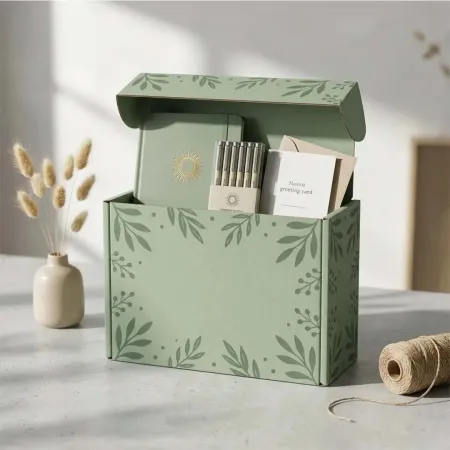
Brand the rest freely. A logo on the side panels and a pattern on the base still show while the address panel stays clear.
Print a return address in small type on the back panel. It saves writing it by hand and helps undelivered parcels come back to you.
Matte lamination or aqueous coating helps the print survive sorting machines. Postal boxes rub against many others on belts and in sacks.
Inside print is a good place for a thank you note. It adds a moment for the customer without crowding the outside.
For layout ideas, see our tips on how to design a mailer box, which cover panels and fold lines.
Mistakes that push parcels up a band
Most postal box problems come from small sizing errors. These are the ones we see most often.
Any one of them can move a parcel into the next band. Several together can push it two bands up.
Check each one before you approve your proof.
- Measuring the product, not the packed product.
- Forgetting the board thickness on the depth.
- Adding bulky filler that bulges the lid.
- Overlooking the weight limit while sizing.
- Sticking a thick label that adds depth.
Packing and posting day
Keep a few packed test boxes and check them against your postal service's size guide. If one fits loosely, the rest will too.
Weigh the first few packed orders on a scale. A box that fits by size but tips over the weight band costs just as much.
Flat postal boxes take up little room, so you can keep plenty at your packing bench. Store them dry and flat until you need them.
Keep a slot gauge cut from card at your bench if you ship in a letter band. Sliding each packed box through it takes a second and catches overfilled orders.
Our mailer box sizes guide also lists common box sizes you can compare against.
Proofs, printing and delivery
The free digital proof shows every outer measurement so you can check it against your band. Ask for changes as often as you like.
Postal boxes print in 4–6 business days after approval. They then take 2–3 business days to reach you, shipped free across the US, UK, Canada and Australia.
If boxes arrive misprinted or damaged, tell us within 10 days for a reprint or refund. Ready to size yours? Ask for a postal box quote with your band limits.