What people mean by cardboard in packaging
Cardboard is the everyday word, but printers use two different materials under that name. Knowing which one you need saves a round of quote emails.
Corrugated board has a wavy fluted layer glued between two flat liners. It is light, stiff and absorbs knocks. Paperboard is a single solid sheet, like a cereal box, and suits light items only.
Most cardboard mailers we print are corrugated. Paperboard mailers make sense for small, light goods such as socks, cards or a single cosmetic. Our comparison of corrugated and paperboard goes deeper into the differences.
Moving up from plain brown stock boxes
Many sellers start with plain boxes from an office supply store. They work, but every parcel looks like every other parcel on the porch.
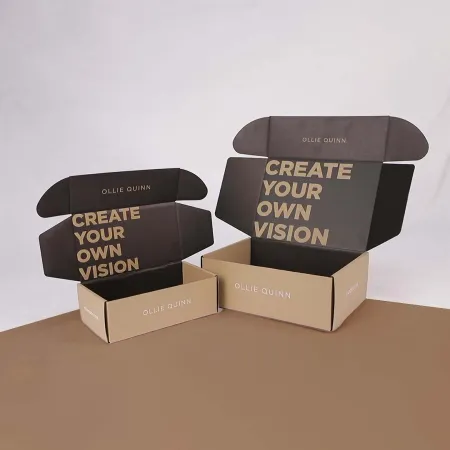
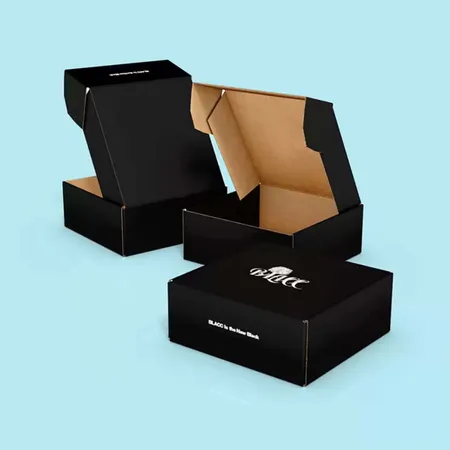
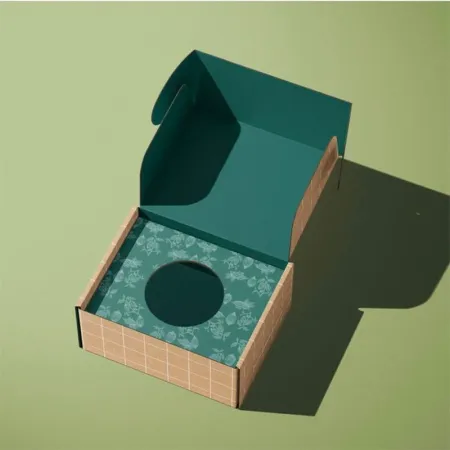
A printed cardboard mailer changes that without changing your packing routine much. You still fold a box, put the product in and close it. The difference is your logo on the lid and a tidier fit.
Stock boxes also come in fixed sizes, so you often pay to ship air and filler. A mailer cut to your product size uses less filler and looks neater when opened.
The switch is usually worth it once you ship every day. At a few parcels a month, a printed sticker on a stock box may be enough. Many sellers make the move when they launch a new product line.
Choosing board thickness for your product
Board choice follows weight and fragility, not looks. A heavy item in thin board bows the base and crushes the corners.
Use the table as a starting point, then tell us what you sell. We confirm the board in your quote.
| What you ship | Typical weight | Board we suggest |
|---|---|---|
| Socks, cards, flat accessories | Very light | 18 to 24 pt paperboard |
| Folded clothing, cosmetics | Light | E-flute corrugated |
| Books, candles, gift sets | Medium | E-flute or B-flute |
| Ceramics, glass, small appliances | Heavier | B-flute with an insert |
| Several items in one order | Varies | B-flute, sized to the bundle |
Kraft brown or white cardboard
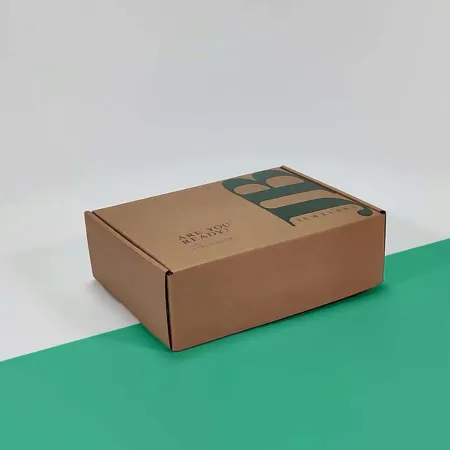
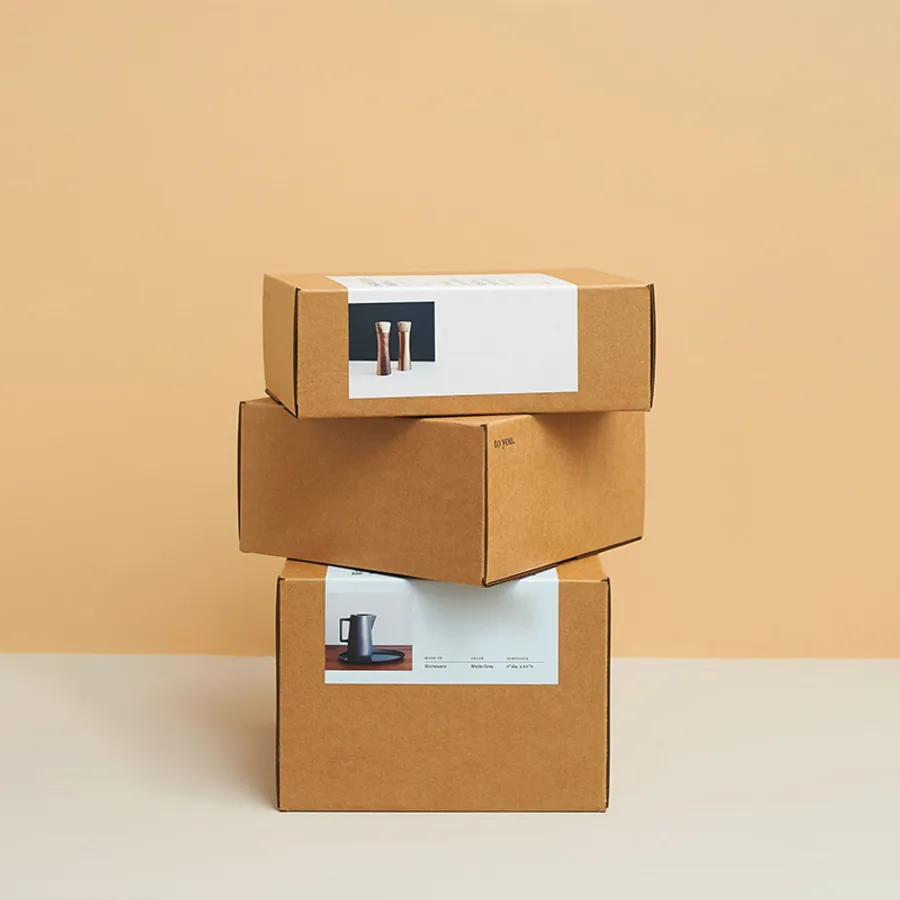
The outer liner sets the base color of the whole box. Kraft is the natural brown most people picture when they hear cardboard.
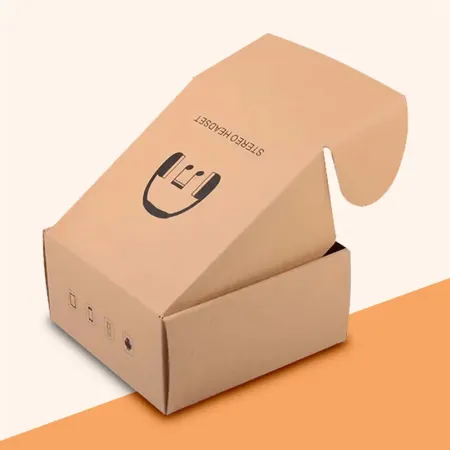
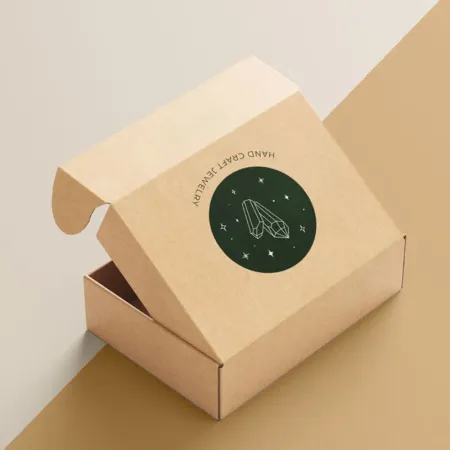
Kraft suits simple one or two color logos, especially in black or white ink. It hides small scuffs from transit well. See our printed kraft mailer boxes for examples of that look.
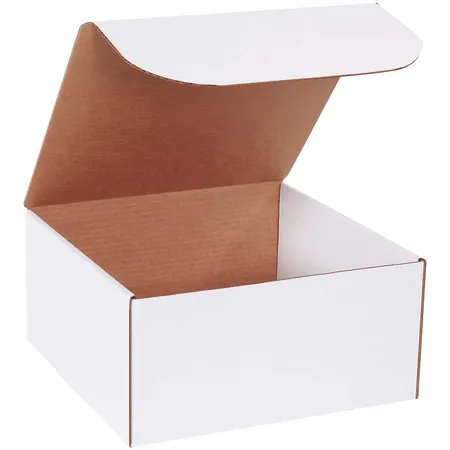
White liner gives bright, true color for photos, gradients and full-flood designs. It shows dirt more easily, so a coating helps if the box will be handled a lot.
Not sure which to pick? Ask for both on the proof. Seeing your logo on each base side by side usually settles it fast.
How the tuck front cardboard mailer folds
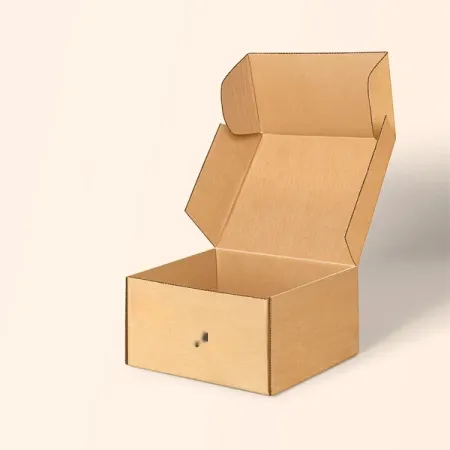
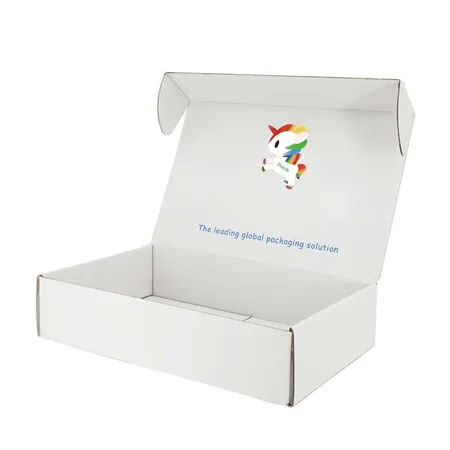
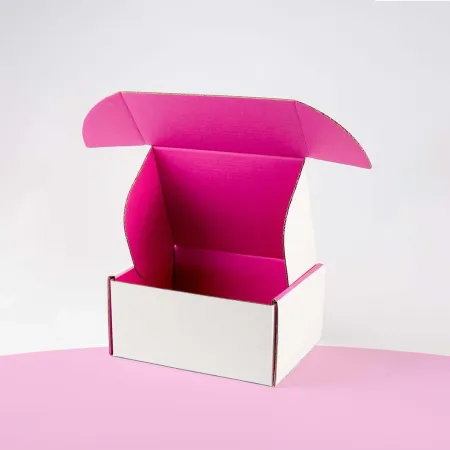
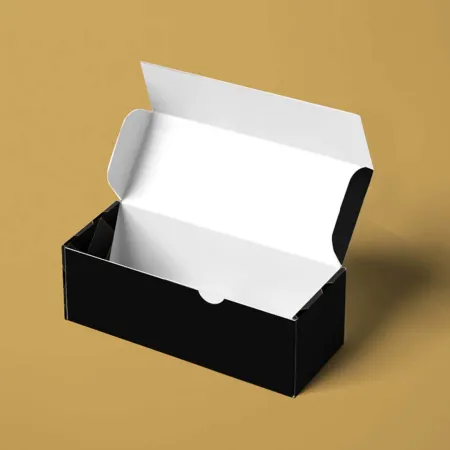
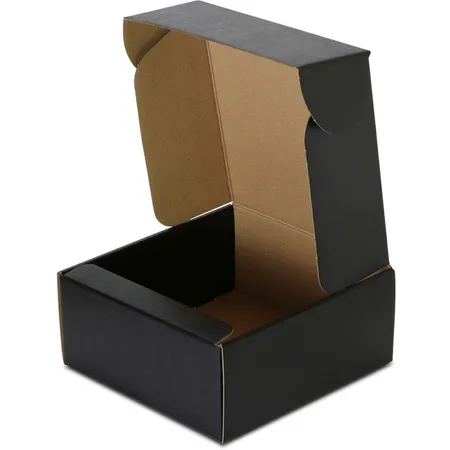
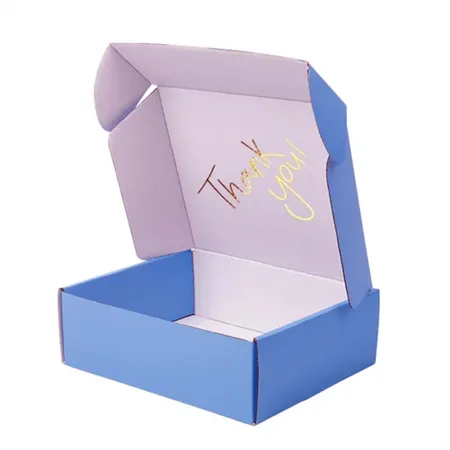
The classic cardboard mailer is a roll end tuck front style. It locks with folded side walls and a tuck flap, so you do not need tape to hold it closed.
New packers usually get it right on the second or third try. After that it takes seconds.
If a box will not close flat, the product is usually a little too tall. Tell us, and we adjust the depth on your next run.
- Lay the flat blank printed side down.
- Fold up the front and back walls along the creases.
- Roll the side walls over and tuck their ends into the base slots.
- Place your product and any insert inside.
- Fold the lid down and push the tuck flap into the front wall.
- Add a sticker or shipping tape across the front if you want a tamper check.
Where to spend and where to save
Prices start from $0.30 per unit, and several choices move the final number. Knowing them helps you put money where customers notice.
Size is the biggest lever. A box slightly too large wastes board on every unit. Check our mailer box measuring guide before you ask for a quote.
Print coverage is next. A single-color logo on kraft costs less than full-color artwork across every panel. Inside printing and special finishes add cost again, so choose one that matters to you.
- Save: one-color logo on kraft, standard size, aqueous coating
- Middle: full color outside on white board, plain inside
- Spend: full color outside and inside, plus spot UV or foil
- Always worth it: a box sized closely to your product
Inserts and dividers inside a cardboard mailer
A plain box works for soft goods like clothing. Anything that rattles or breaks needs something inside holding it in place.
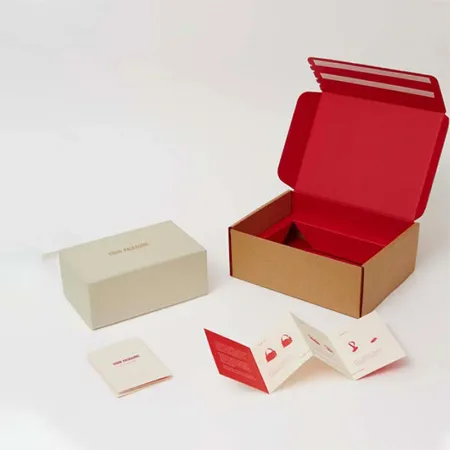
We cut inserts from the same cardboard as the box, or from thinner paperboard for small items. A cutout tray holds bottles and jars upright. A simple divider splits a box for two products sold together.
Plan the insert at the same time as the box. Its thickness changes the inside size, and adding one later often means a new box size too.
Other mailer styles if tuck front is not right
The tuck front mailer covers most needs, but not all. Some products pack faster or display better in a different shape.
Tuck top boxes open from a top flap and suit taller items. Self seal mailers with a peel strip close in one move on busy days. Side loading tab lock mailers suit flat products that slide in from the end.
You can compare all of these in our full list of mailer box styles. Each one can be made from the same cardboard grades shown above.
Storing and packing flat cardboard boxes
Cardboard mailers arrive flat and stacked, which saves a lot of room. Keep them somewhere dry and off the floor, because damp board loses stiffness.
Store them flat rather than on edge, so the creases stay crisp. Folding is easier and the boxes square up better.
Rotate your stock so older boxes are used first. Board kept for many months in a humid room can warp slightly at the edges.
Set up a small packing station with folded boxes ready for the day. Many sellers fold a batch in the morning and pack orders as they come in. Our page on boxes for ecommerce order packing has more ideas for busy stores.
Artwork tips for cardboard
Cardboard is not paper, and fine details behave differently on it. A few simple rules keep your design crisp.
Coatings and special effects also behave differently on each board. Our page on cardboard printing and finish options explains what works where.
- Keep text above a small size, especially on kraft board
- Avoid very thin lines that can fill in on the flutes
- Leave a margin from every fold and cut line
- Use Pantone for a brand color that must match exactly
- Add a white base under light colors on kraft
- Put your website on a side wall, where the label will not cover it
From quote to delivered boxes
Send your box size, board choice, quantity and logo. We reply with a price and place your artwork on the dieline for free.
If you have no artwork yet, send a logo and a few words about your brand. Our designers build a simple layout to start from.
You get a digital proof and can ask for as many changes as you like. You can also try ideas first on our online cardboard box design page.
After approval, production takes 4 to 6 business days. Boxes then take 2 to 3 business days to reach you, with free delivery to the US, UK, Canada and Australia.