Bakers and snack makers who order them
Home bakers who sell cookies online are a big share of our food orders. They need a box that turns a dozen wrapped cookies into a gift.
Snack brands send chips, granola, jerky and dried fruit in sealed bags. A printed mailer groups several bags into one tidy bundle.
Sauce makers, honey producers and jam makers use them for jar sets. Candy shops and chocolate makers order them for seasonal assortments.
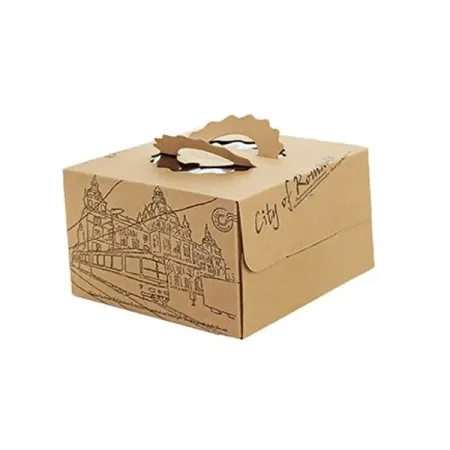
Many of these brands also ship baked goods that need a taller box. Our cake shipping box range covers whole cakes and tiered treats.
What this box does and what it does not
This is printed outer packaging. It carries food that is already sealed in its own wrap, bag, tin or jar.
We do not claim any food-contact rating for the printed board. Keep every food item in its own closed primary pack before it goes in the box.
That split keeps things simple. Your wrapper handles freshness, and the mailer handles branding, grouping and the trip to the door.
If your product needs a specific food-contact material, source that wrap from a supplier who documents it. We focus on the printed box around it.
- Cookies in sealed cello bags or flow wrap
- Snacks in their retail bags
- Sauces, jams and honey in closed jars
- Chocolate and candy in their own wrappers or tins
- Dry mixes and teas in sealed pouches
Room for ingredient and allergen labels
Most food sellers apply their own product labels. Ingredients, allergens and best-by dates usually live on the food pack, not the mailer.
Some brands also want a summary on the box. We can leave a plain panel on the base or side so a printed sticker fits cleanly.
Keep regulated wording on labels you control. That way you can update a recipe without reprinting a whole run of boxes.
Tell us the label size you use. We mark the label area on your proof so your sticker never covers the logo or crosses a fold.
Picking board for weight and grease
Food bundles get heavy quickly. Three jars of sauce weigh far more than a box of cookies.
E-flute corrugated works for cookies, candy and snack bags. B-flute is the safer pick for glass jars and mixed bundles with weight.
Oily foods should stay in their own wrap. Grease that reaches bare board can leave a mark on the print, so seal butter-rich bakes well.
Kraft board suits rustic bakeries and farm brands. Our kraft mailer box options show how the natural brown base looks with one or two ink colors.
Designing a food box people want to open
Food is a sensory buy, and the box sets the mood before anyone tastes a thing. Warm colors and photos of the product often work well.
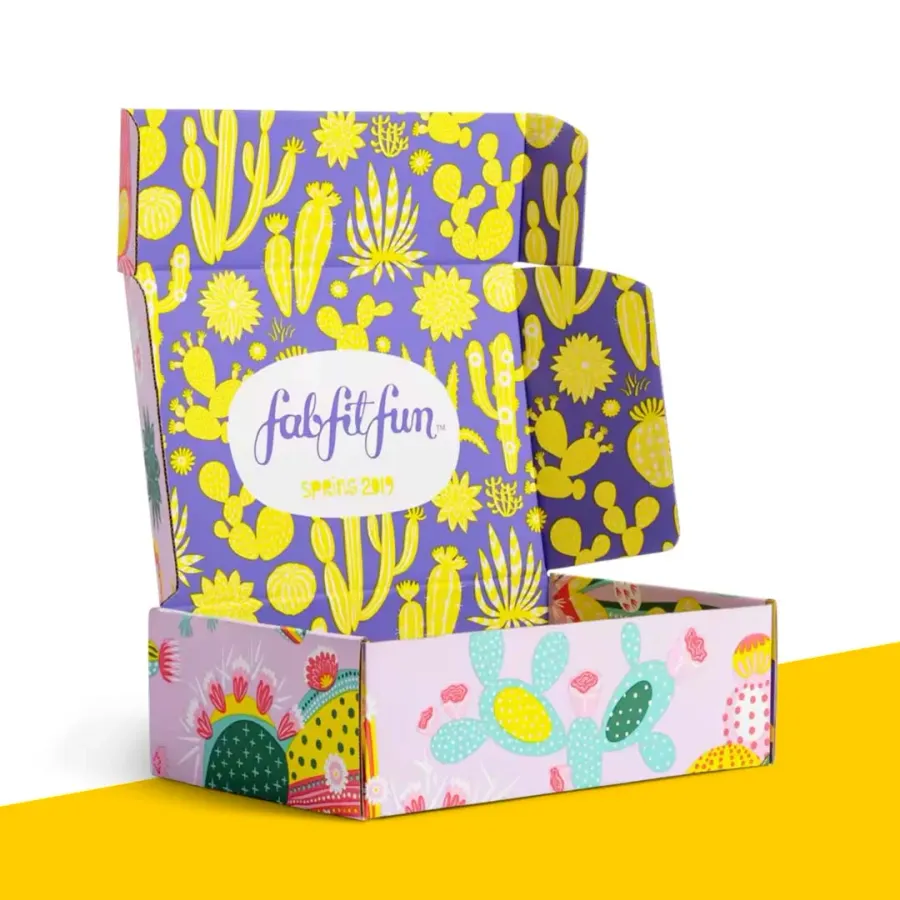
Inside printing makes a strong first view. A short message or a serving tip under the lid adds a personal note.
Think about what the buyer sees in order as they open it. Our guide to planning an unboxing experience walks through that sequence.
- Put your brand and a short tagline on the lid.
- Use the inside lid for a thank-you or a recipe idea.
- Keep the base plain for labels.
- Match the box color to your packaging tape or sticker.
Seasonal treat boxes and gift bundles
Holidays bring most food gifting. Cookie boxes in December and chocolate sets in February are common seasonal runs.
You can keep one plain-printed base box all year and add a seasonal sleeve or sticker. That saves ordering a new design every few months.
If you do want a holiday print, plan it early. Leave time for the proof, the print run and your own packing days before the cutoff.
Corporate gift orders often arrive at the same time. A plain-lid version with space for a client sticker lets you take those orders with the same box.
Subscription snack boxes and repeat orders
Monthly snack clubs need one box that suits changing contents, from crunchy bags one month to jars the next. Pick a size that fits the largest month, then use fill or a divider for lighter months.
A neutral outside with a bold inside lid works well here. The theme can change each month on a printed card instead of the box.
Plan reorders around your packing calendar. Order the next batch once your stock drops to about one month of boxes, so a late proof never stalls a drop.
Packing a food bundle for the trip
A steady packing order keeps fragile items safe and the box looking neat when opened.
- Check every food item is sealed in its own pack.
- Place the insert in the base and load the heaviest items first.
- Fill gaps with crinkle paper or tissue so nothing shifts.
- Add a card or menu on top.
- Close the lid and press the seal strip if the box has one.
- Label the outside and ship early in the week to avoid weekend holds.
Food box mistakes to avoid
The most common problem is a box that is too big. Food slides around, bags burst and jars knock together.
Another is placing loose baked goods straight on printed board. Always wrap them first, then pack the wrapped items.
Shipping late in the week is a third. A box that sits in a depot over a weekend spends longer in transit, which matters for fresh bakes.
Some sellers also forget weight. If a bundle feels heavy, ask us about B-flute through our contact page for board advice before you order.
Your quote, proof and delivery
Send the sizes of your jars, bags or tins and how you plan to group them. We suggest a box size and an insert layout.
A photo of a packed test bundle helps a lot. It shows us how the items sit together and where gaps appear.
Our designers then prepare a free digital proof. Ask for as many changes as you like before anything goes to print.
Food boxes are printed in 4 to 6 business days after sign-off and travel 2 to 3 business days to you. We cover freight to the US, UK, Canada and Australia.
Food mailers are priced from $0.30 per unit, and the final rate follows your size, board, run length and finish. Start with our free packaging quote request and we confirm the figure.