Who runs a single-serve pod subscription
Specialty roasters who fill their own compatible pods are a growing group. A monthly club lets them sell a rotating set of origins and blends.
Flavored coffee and tea brands use pod clubs to test new flavors with loyal buyers. Office coffee suppliers send a mixed monthly box to small teams.
Gift subscription sites add pods to their lineup because they are easy to share. A recipient can try many flavors without opening a full bag.
Cafes with a loyal local following use pods to reach regulars who brew at home. A monthly box keeps the cafe in their morning routine.
- Roasters filling their own compatible pods
- Flavored coffee, tea and cocoa pod brands
- Office and small-team coffee programs
- Gift subscriptions and tasting clubs
Why pods need a tray, not loose fill
Pods are light plastic or compostable cups with a thin foil lid. A sharp knock dents the rim, and a dented pod may not seat in the brewer.
The foil lid can also puncture if another pod's rim presses into it. Loose filler does not stop that because pods slide through it.
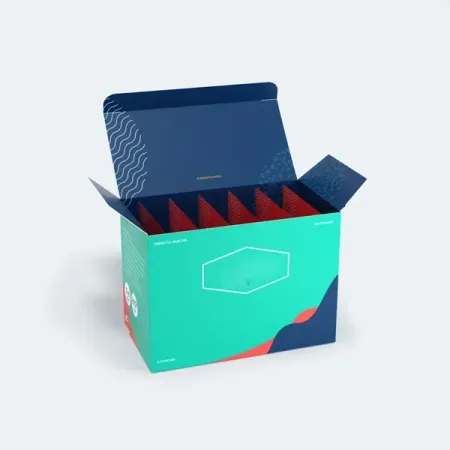
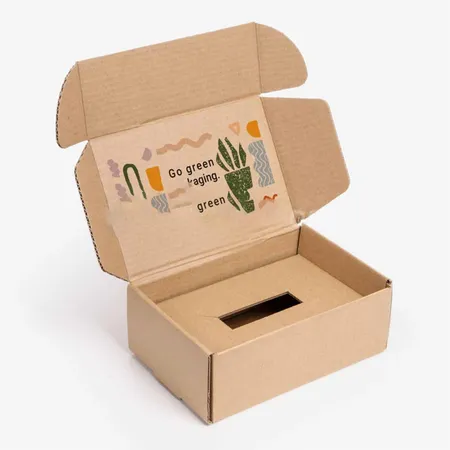
A die-cut tray with a hole for each pod keeps them upright, spaced and still. It also makes the box look organized the moment it opens.
Compostable pods are softer than plastic ones. They need a tray even more, since a crushed side wall can split and spill grounds.
Our page on mailer boxes with fitted trays shows other cut patterns you can adapt for pods.
Planning the pod count and layout
Start from the number of pods in each delivery. That count decides the rows, the columns and whether you use one layer or two.
Single-layer trays look best, since every pod is visible when the lid lifts. Two layers save footprint and suit larger monthly counts.
Pick a layout you can keep for a year. Changing pod counts often means a new tray die, which adds lead time to your next run.
| Layout | Best for | Trade-off |
|---|---|---|
| Single layer, rows of pods | Tasting boxes and small monthly counts | Wider, flatter box |
| Two layers with a divider sheet | Larger monthly counts | Lower layer hidden at first |
| Pods grouped by flavor in sections | Mixed flavor drops | Tray must change if the mix changes |
| Pods plus a small mug or tin | Gift and welcome boxes | Needs a separate cutout for the extra item |
Board for a box that ships every month
A full box of pods is heavier than it looks. E-flute corrugated handles most monthly counts and still prints sharply.
Move to B-flute for very large counts or two-layer boxes. The thicker wall stops the lid from bowing when cartons stack in a sorting center.
Trays can be paperboard for small counts or corrugated for heavy ones. Our comparison of corrugated and paperboard board types explains the difference.
Kraft liner suits roasters with a craft look. White liner suits flavored coffee brands that want bright, saturated color.
Printing the flavor lineup
Members want to know what they are drinking. A flavor guide inside the lid lists each pod, its roast level and a tasting note.
Match the tray position to the guide. If the guide says row one is the dark roast, the dark roast pods sit in row one.
On kraft board, white ink keeps small type readable. On white board, full color makes each flavor easy to tell apart.
Your coffee bag mailer boxes can share the same artwork if you also sell beans. Members then recognize both parcels at a glance.
Keep tasting notes short. Three words per flavor fit neatly and are easier to read than a paragraph.
Fast packing for monthly fulfillment
Subscription packing happens in one rush, often over a day or two. A box that folds fast and closes without tape saves real hours.
A self seal strip lets packers close each box in one motion. A tear strip on the front gives members a clean, easy opening.
Pre-folding trays the day before keeps the line moving. Trays slot into the box flat side down, and pods drop into place.
Label the tray rows on the packing sheet the same way as the flavor guide. New packers then fill trays correctly from the first box.
Stack folded, packed boxes flat and squarely. Leaning stacks press on the lids and can push pods out of their slots.
Keeping freshness and compliance simple
The pods carry their own sealed lids and outer packaging. The box protects them from crushing, light and handling, not from air.
Store packed boxes away from heat and sunlight before they ship. Warm storage can soften plastic pod walls.
Any ingredient or allergen details belong on the pod packaging or the printed card. Ask your own food advisor what your market requires.
Leave the pods in their original outer packaging if they came that way. The box adds a printed layer on top, not a replacement.
Common mistakes with pod subscription boxes
Sizing the tray from a spec sheet instead of a real pod causes the most trouble. A hole a little too tight tears the tray, and one too loose lets pods spin.
Another mistake is a box too deep for a single layer. Pods lift out of their holes and rattle against the lid.
Forgetting a slot for the flavor card is the third. Cards dropped on top of pods bend and slide.
A fourth issue is ignoring the welcome box. New members often get extra items, so plan a second tray layout for the first delivery.
Quote, proof and first delivery
Send your pod measurements, monthly count and logo through the pod subscription box quote form. We design the box and tray for free and send a digital proof.
Change the pod box proof as often as you like. Once you sign off, the pod boxes are printed in 4 to 6 business days.
Finished pod boxes then travel to you in 2 to 3 business days. We cover the shipping cost for pod box orders headed to the US, UK, Canada and Australia.
Pricing starts from $0.30 per unit and depends on size, board, tray, quantity and finish. The quote confirms the exact figure before anything is printed.