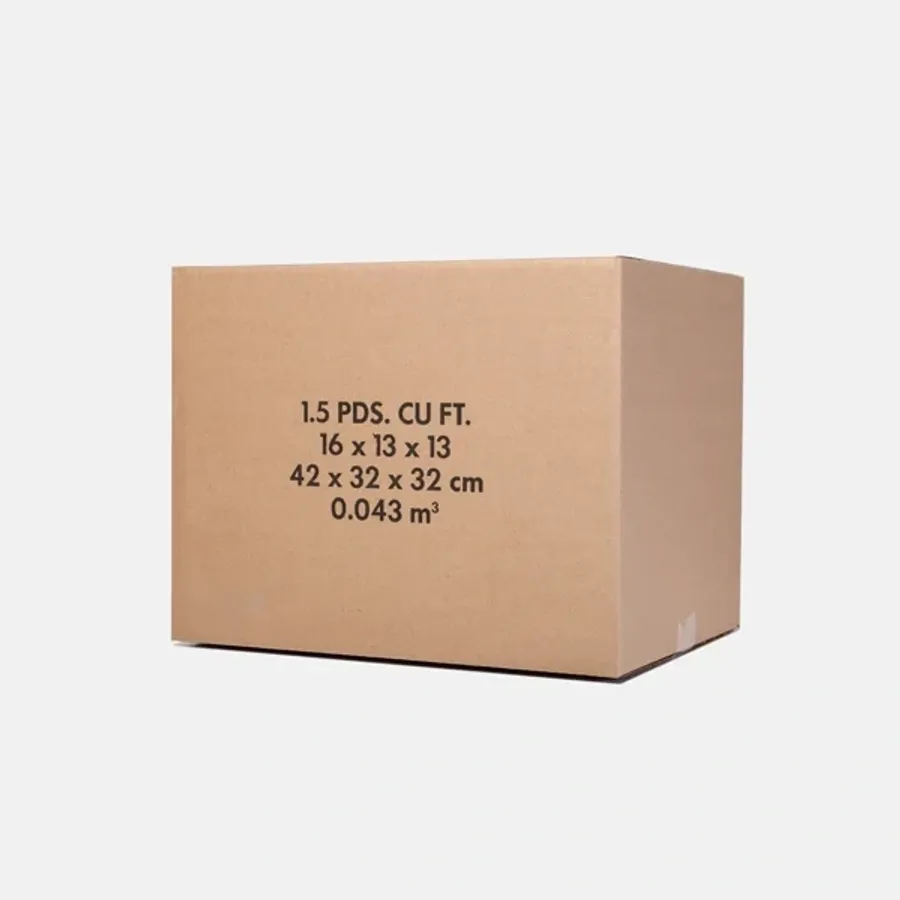
When a shipping box beats a mailer
A mailer box is built for the unboxing moment. A shipping box is built to survive the journey, and that changes almost every choice.
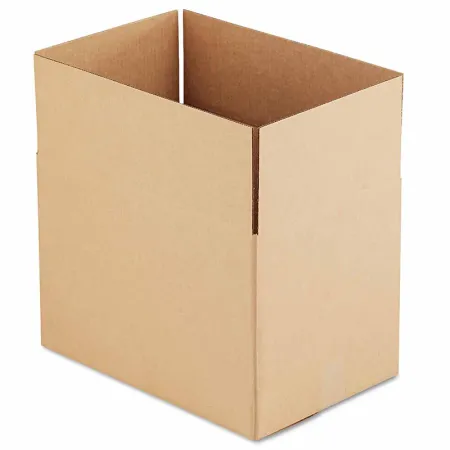
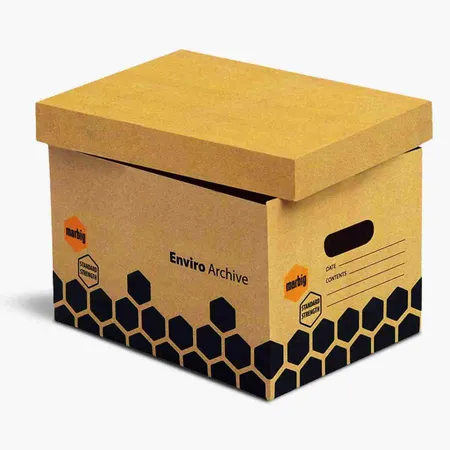
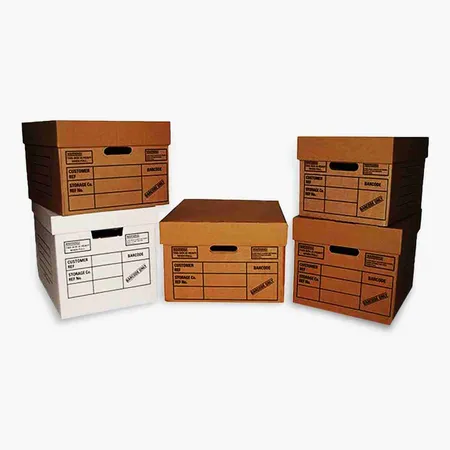
Reach for a shipping box when orders are heavy, hold several items, or go to a business rather than a person. Restock cartons to shops, bulk orders and bundles of mixed products all fit this group.
Shipping boxes also suit sellers who care more about safe arrival than presentation. Spare parts, tools and refill packs rarely need a big reveal.
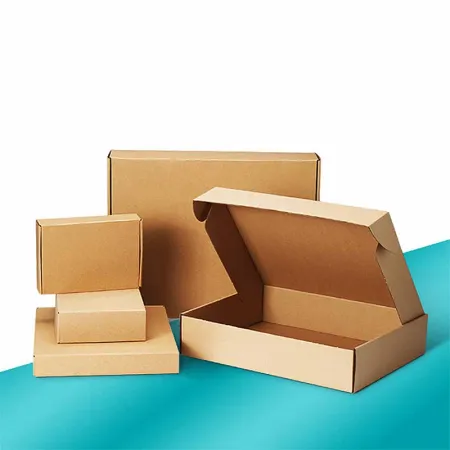
Many stores use both. A printed mailer goes to the customer, and several mailers travel inside one cardboard shipping box to a retailer. For other outer carton options, browse our main range of custom shipping boxes.
Matching the carton to how you ship
Start from what goes inside and how it travels. The table shows common setups and the board and closure we usually pair with each.
These are starting points. Your quote confirms the final build after we know the weight and size.
Tell us if your parcels travel by pallet or by single courier. Pallet loads face more weight from above, so we usually suggest B-flute with dividers.
| What you send | Board | Closure |
|---|---|---|
| Single heavy product | B-flute | Ear lock or tuck top |
| Bundle of three to six items | B-flute with dividers | Self seal with tear strip |
| Several mailers to one shop | B-flute | Tuck top, taped |
| Light but bulky goods | E-flute | Self seal |
| Returns kit for customers | B-flute | Second self seal strip |
Why B-flute is the default for shipping
B-flute corrugated is 3 mm thick, twice the thickness of E-flute. The deeper flutes act like small arches that resist crushing.
That matters when your box sits at the bottom of a stack in a delivery van. A heavy parcel on top can fold the walls of thinner board.
Kraft liner on B-flute is the most common pairing for outer cartons. It looks honest, hides scuffs and takes a one color logo cleanly.
E-flute still has a place for light, bulky goods, where weight is low but size is large. Our page on heavy duty corrugated shipping cartons compares board grades for larger loads.
Packing printed mailers inside a carton
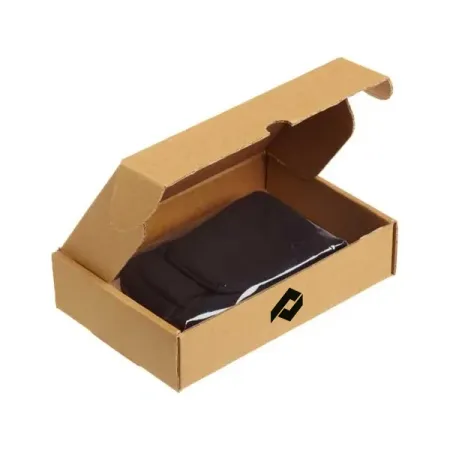
Box-in-box is the safest way to send a premium printed mailer through the post. The outer carton takes scuffs and rain, and the mailer inside stays clean.
Size the outer box so the mailer sits snugly with a small gap on each side for padding. Too much room lets it slide, and too little crushes the corners.
Light corrugated pads on the top and bottom add protection without loose filler. They also stop the mailer lid from rubbing against the carton.
Subscription and gift brands often do this for their best boxes. If you want a single box that does both jobs, look at our mailer boxes made for direct shipping instead.
Closures that speed up a packing line
On a busy day, the closure decides how fast parcels leave your bench. Tape guns slow people down and leave messy seams.
A self seal strip lets staff peel and press the lid shut. Adding a tear strip means the customer opens it cleanly without a knife near the contents.
Peel strips need a clean, dry surface to stick well. Keep cartons away from dusty corners of the warehouse.
Ear lock and tuck top closures hold tight on heavy cartons and can be reused. Some brands add a second peel strip so customers can send a return in the same box. See every closure in our guide to box styles and closures.
Print that works hard on a shipping carton
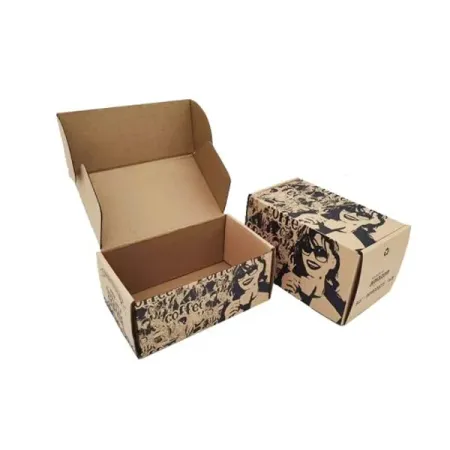
Shipping cartons rarely need full color. A clean one or two color logo on kraft is common, and it keeps the price down.
Useful print goes beyond the logo. Handling arrows, a fragile mark and a clear label zone all help the box arrive the right way up.
Leave the printed logo off the top if your parcels carry valuable goods. Some sellers prefer a plain outer that does not advertise what is inside.
Inside the lid you can print return steps or a reorder link. If you like the natural brown look, our kraft shipping box options show how simple print sits on that board.
Setting up a packing station around your cartons
A good station turns a shipping box into a quick routine. Lay it out once and every order follows the same path.
Post a size chart at the station showing which products go in which carton. It prevents staff from grabbing the biggest box by habit.
- Keep flat cartons on a shelf beside the bench, sorted by size.
- Fold a batch at the start of the shift.
- Put any divider or pad in before the products.
- Load heavy items at the base and light items on top.
- Fill side gaps so nothing moves when you shake the box.
- Peel and seal the strip, then label the lid inside the clear zone.
Mistakes that lead to crushed parcels
Damaged shipments usually trace back to a few habits. Fixing them is cheaper than replacing goods.
Check a returned or damaged carton when one comes back. The dent pattern often shows which of these caused it.
- Choosing E-flute for a parcel that is heavy for its size
- Packing heavy and fragile items side by side with no divider
- Leaving large empty spaces at the top of the carton
- Placing the label across a seam or over the tear strip
- Reusing an old carton that has lost its stiffness
- Stacking full cartons in a damp storeroom before dispatch
Wholesale cartons for shops and stockists
When you sell to retailers, the carton is often opened in a stock room, not a living room. Clear outside marks matter more than decoration there.
Print a product name or a blank area for a handwritten count on one side. Stock room staff can then find your goods quickly on a crowded shelf.
Ask your stockists how they want cartons marked. Larger shops sometimes have rules on label position or carton weight.
Dividers keep retail packs square, so they go onto the shelf looking new. If you also need a box for single retail items, see our shipping boxes for individual products.
Ordering cartons and getting them delivered
Send the inside size, the heaviest load you expect and your logo. We reply with a quote and a free proof, and you can ask for unlimited changes.
Production runs 4 to 6 business days after approval. Cartons then take 2 to 3 business days to arrive, delivered free to the US, UK, Canada and Australia.
Questions about size or board? Just contact our packaging team directly by phone, WhatsApp or email. A photo of what you ship and its weight is usually enough for us to suggest a build.