Stores that need more than one box
Most online shops start with a single size and stuff everything into it. That works for the first fifty orders. After that, oversized parcels, crushed corners and rising postage start to show up.
Apparel boutiques, beauty shops, hobby suppliers and gift stores all hit this point. Their catalogs mix small single items with bundles and the odd heavy piece.
This page is about building the full set. We look at your best sellers and order mix, then suggest the fewest box sizes that fit them well.
Growing stores also hit storage limits. Ten sizes of box on a shelf take space you would rather give to stock, so a tight lineup pays off twice.
Mailers and cartons in one lineup
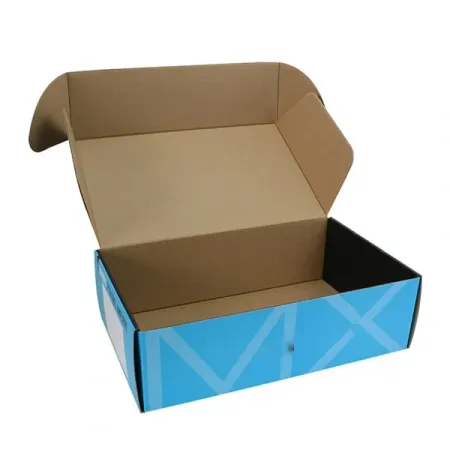
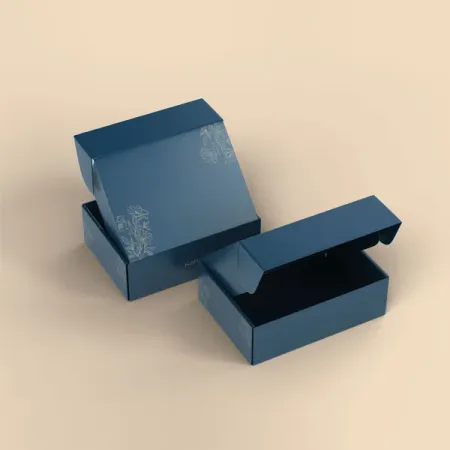
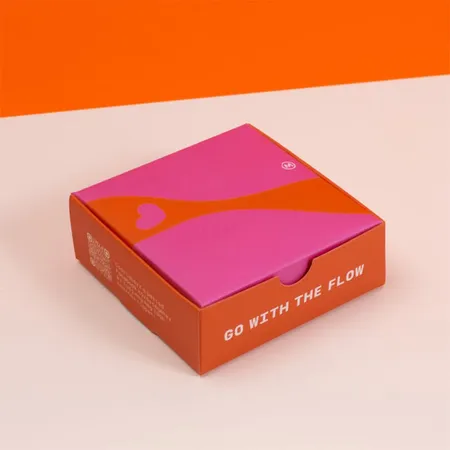
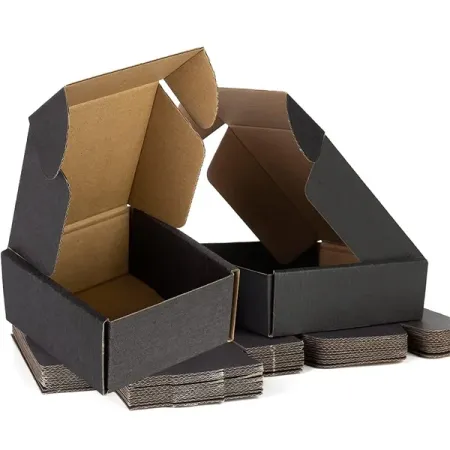
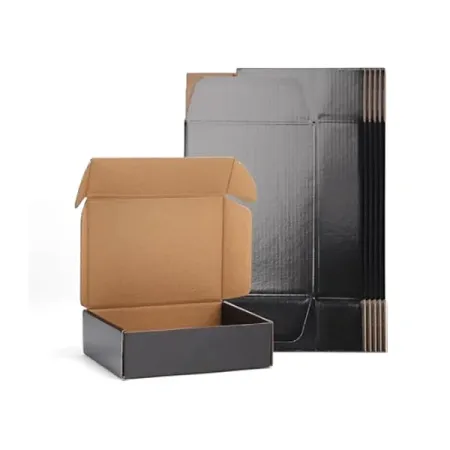
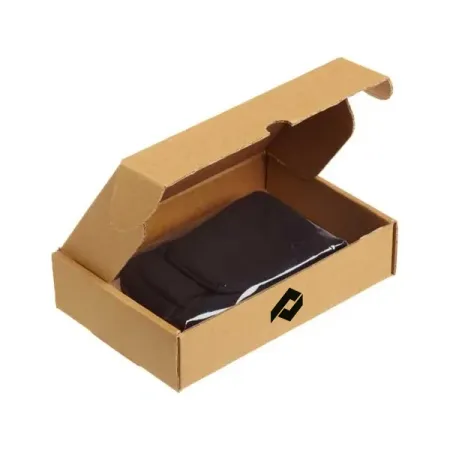
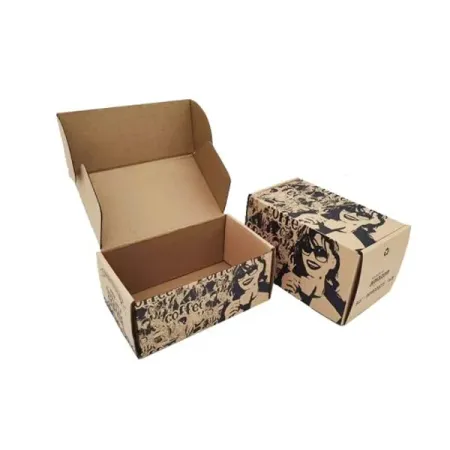
An ecommerce lineup usually has two kinds of box. Printed tuck front mailers handle single items and gift orders where the opening matters. Plain or lightly printed cartons handle heavier and multi-item orders.
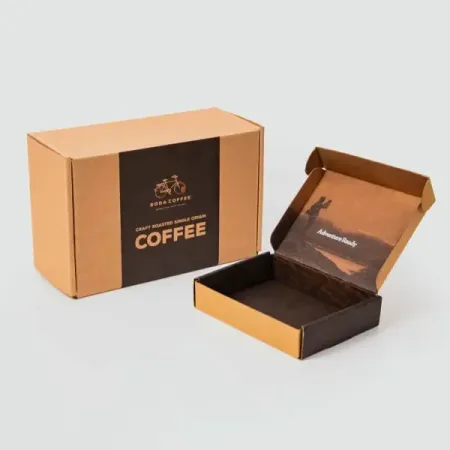
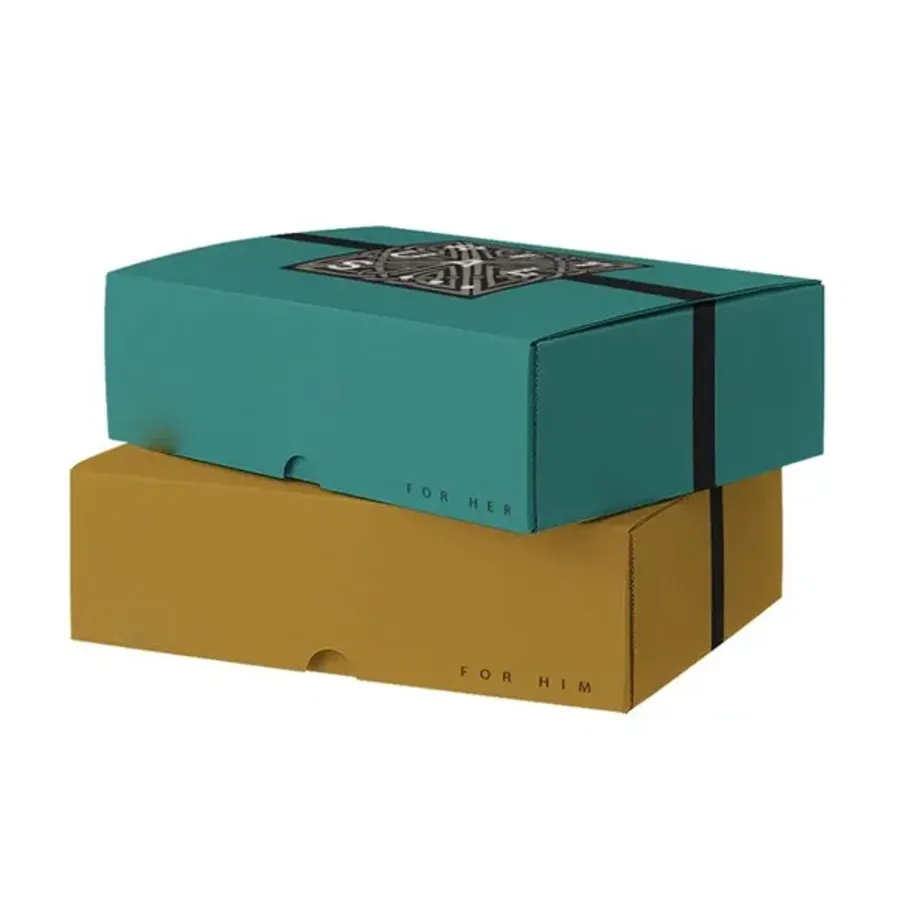
Keeping both in the same artwork family makes the brand feel consistent. A customer who orders twice should recognize the parcel, even if the box shape changed.
For the heavier side of the range, see our sturdier ecommerce shipping boxes. They use the same print setup with a stronger board.
A third option is a mailer packed inside a carton. Brands use it for launch orders and high-value bundles, where both protection and presentation count.
Matching order types to box types
Sort your last few months of orders into rough groups. Each group usually points to one box. Here is how online stores commonly map them.
If one group holds only a handful of orders a month, fold it into the next size up. A slightly bigger box with an insert beats keeping a rare size in stock.
Watch for orders that do not fit any group. If they keep appearing, they may justify one extra size rather than a compromise.
| Order type | Box that fits | Board |
|---|---|---|
| Single light item | Small tuck front mailer | 18–24 pt paperboard |
| Gift or launch order | Printed mailer with insert | E-flute corrugated |
| Two to four items | Medium tuck front mailer | E-flute corrugated |
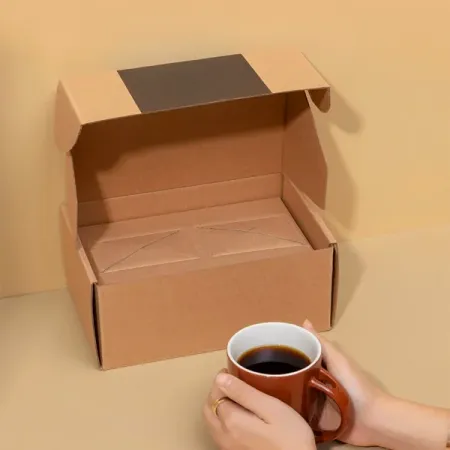
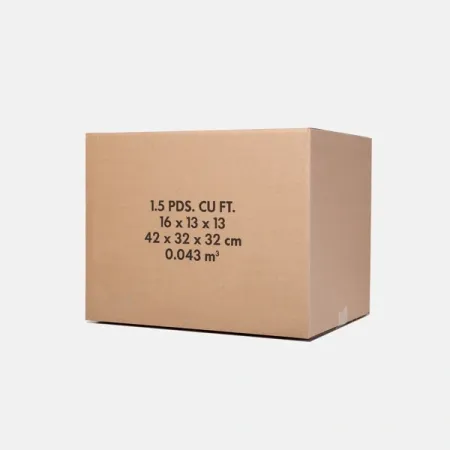
| Bulky or heavy bundle | Shipping carton | B-flute corrugated |
| Order likely to be returned | Self seal mailer | E-flute corrugated |
Building your box lineup step by step
We use the same process with every new store. It keeps your stock of boxes small without forcing products into the wrong size.
Revisit the lineup when you add a product category. One new size is often enough, and the rest of the set can stay as it is.
- Export recent orders and list the products that ship most often.
- Measure each best seller as it is packed, with any wrap.
- Group products that fit within the same inside dimensions.
- Choose two to four sizes that cover most orders.
- Pick a board for each size based on weight.
- Decide which sizes get full print and which stay simple.
- Approve proofs for all sizes together so colors match.
Styles that speed up the packing table
Packing speed adds up when you ship daily. A roll end tuck front folds up without tape and closes with a single tuck. It is the most common style for printed online orders.
Self seal mailers have a peel-and-seal strip, so there is no tape gun at the station. Add a tear strip and your buyer can open the parcel by hand, with no blade near the product.
If your returns rate is high, a self seal mailing box with a second strip lets customers reseal the same box and send it back.
Ear lock and tuck top styles suit stores that want a firmer closure on mid-weight orders. We can show each style folded on your proof so staff know what to expect.
Using the inside lid as a sales channel
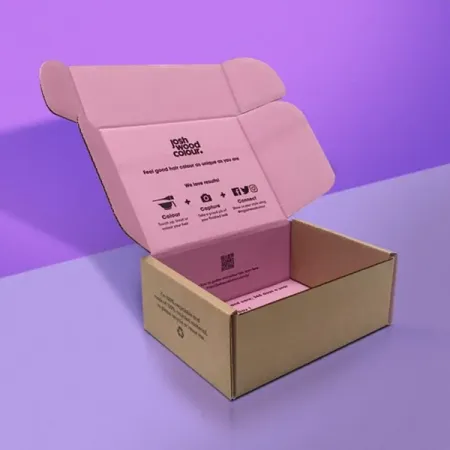
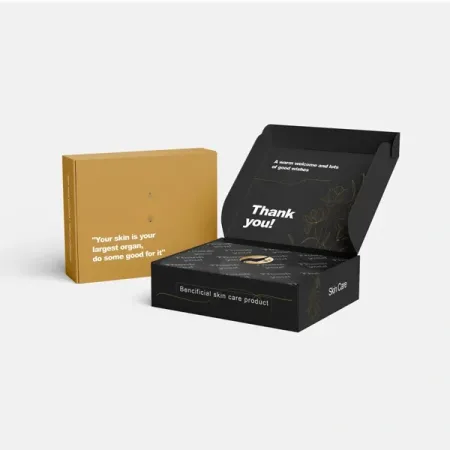
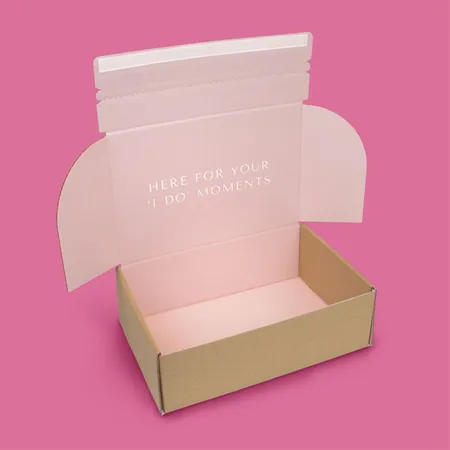
The inside of the lid is the first thing a customer reads after opening. Most stores leave it blank, which wastes the best panel on the box. Inside printing costs less attention than an insert card and never falls out.
These are the messages online stores print there most:
Change the inside message on reorders to test what works. A new QR code destination is enough to compare one print run with the next.
- A short thank-you line in your brand voice
- A QR code to reorder or leave feedback
- Your social handle and a hashtag
- Care or setup instructions for the product
- A note about how to start a return
Keeping fragile items safe without bulk
Bottles, candles and ceramics are where online stores lose the most to breakage. A fitted insert holds each item still, which prevents more damage than loose fill.
Inserts also make packing faster, because staff drop items into fixed slots. Fewer packing mistakes mean fewer missing-item complaints.
See our mailer boxes with fitted inserts for common layouts, from single bottle holders to multi-slot gift sets.
For very fragile goods, ask about B-flute board for the outer layer. It adds cushioning at the corners, where drops usually land first.
Planning the unboxing for repeat buyers
First-time buyers notice the outside print. Repeat buyers notice whether the experience stays the same. Consistent boxes, inserts and inside print build that familiarity.
Seasonal changes work well as small tweaks. Swap the inside-lid message or add a sleeve for holidays rather than redesigning the whole lineup.
Our guide to the unboxing experience walks through tissue, cards and layout choices that suit online orders.
Keep a few spare boxes from each print run. They help you check color on the next order and give you samples for photos and listings.
Getting your lineup quoted and printed
Send your sizes, quantities and artwork, and we quote every box in the lineup together. If you are still sketching ideas, our online box design page is a good place to start.
Design support and proofs are free, and you can revise as often as needed. Once approved, the full lineup is produced in 4–6 business days.
Boxes then arrive in 2–3 business days with free delivery to the US, UK, Canada and Australia. Prices begin at $0.30 per unit and vary with size, board, quantity and finish.
Reorders are simpler once the lineup is set. Send the size codes and quantities, and we reuse the approved artwork unless you want changes.