What the style decides before any ink goes down
Two boxes can share the same size and board yet behave very differently. One packs in ten seconds, the other needs tape and a second pair of hands.
Style sets three things. It sets how the box locks, which panel opens first and how many layers of board guard each wall.
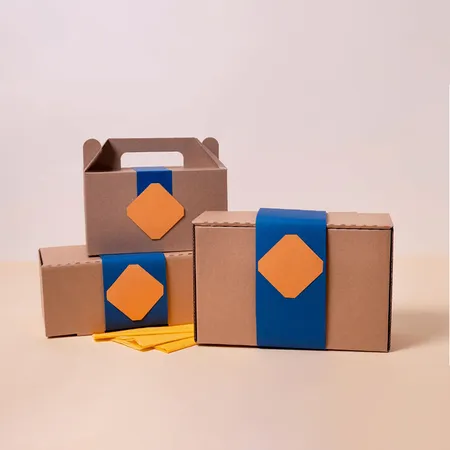
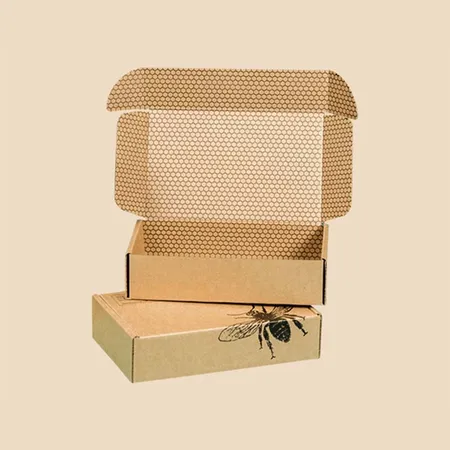
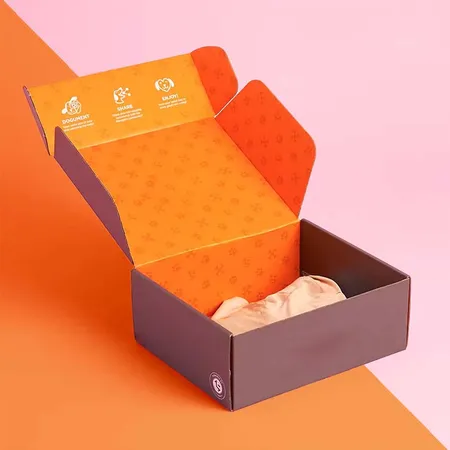
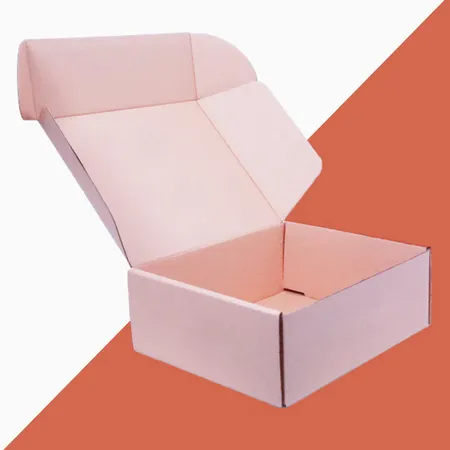
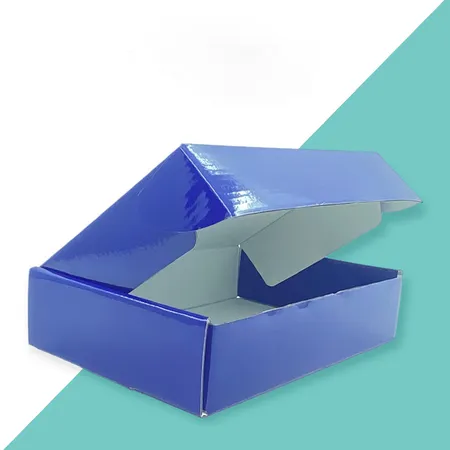
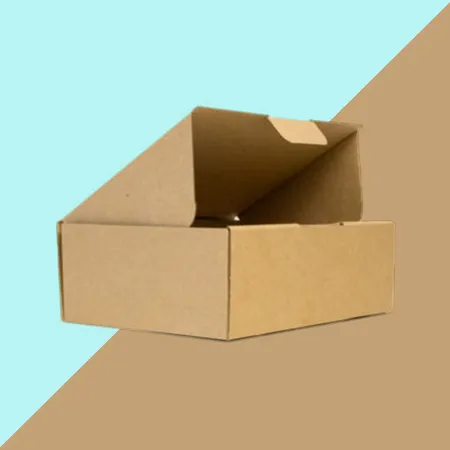
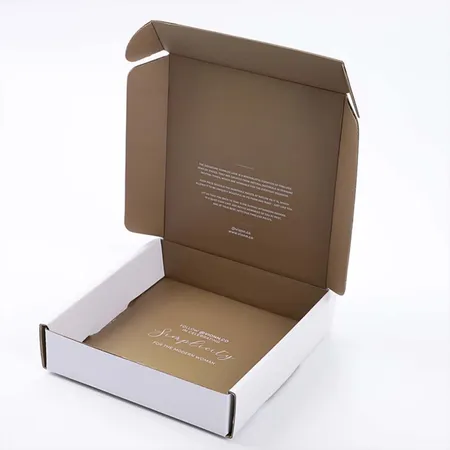
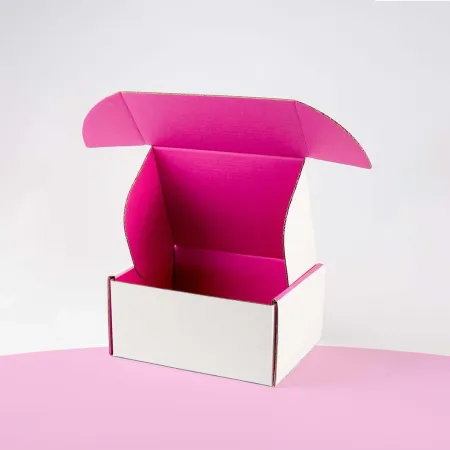
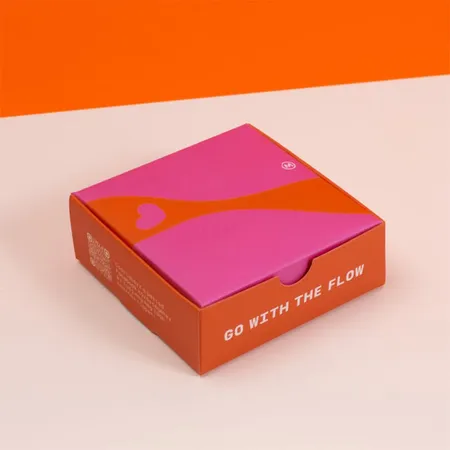
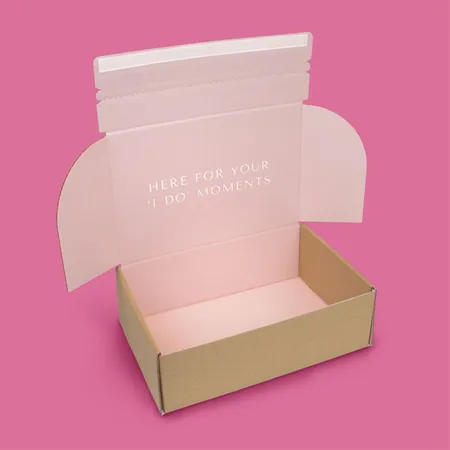
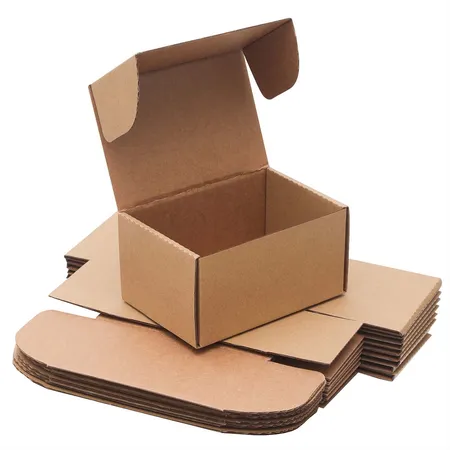
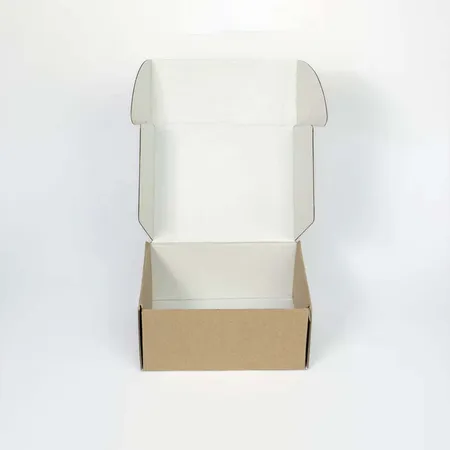
The classic choice for most brands is the roll end tuck front mailer. Its side flaps fold over and roll into the walls, so every side gets a double layer.
Start from that baseline and ask what your product needs that it lacks. A tighter lock, a slimmer profile or a different opening direction usually points to one of the other 16 styles.
Style also changes the parcel size a carrier measures. A slimmer structure can drop a parcel into a cheaper size band without any change to the product.
All 17 mailer styles side by side
Use this table as a first filter. Read the middle column against your own product, then open the matching style page for sizing and board detail.
If two rows both fit, pick the one that is faster to pack. Packing time adds up far more than a small difference in board.
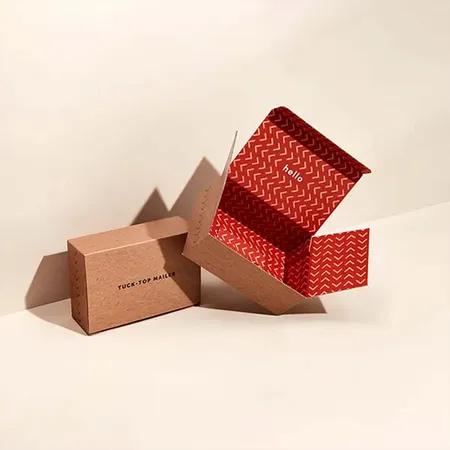
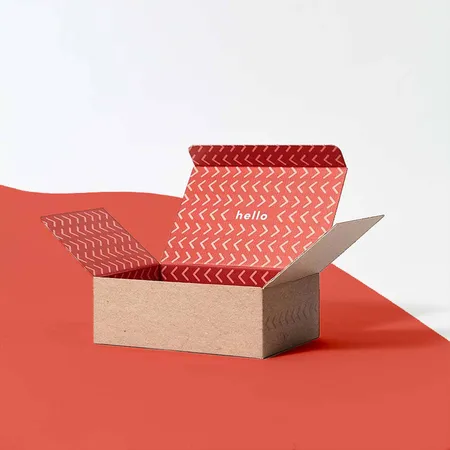
A lightweight tuck top mailer often wins for small, flat goods because the lid simply tucks in and the box stays slim.
| Product | Best for | Key detail |
|---|---|---|
| Roll End Mailer Boxes | Most ecommerce and gift orders | Double side walls from rolled flaps |
| Tuck Top Mailer Boxes | Slim, light items | Lid flap tucks inside the front wall |
| Ear Lock Mailer Boxes | Lids that must stay shut | Lid ears lock into side slots |
| Self Seal Mailing Boxes | Fast packing without tape | Peel-and-seal adhesive strip |
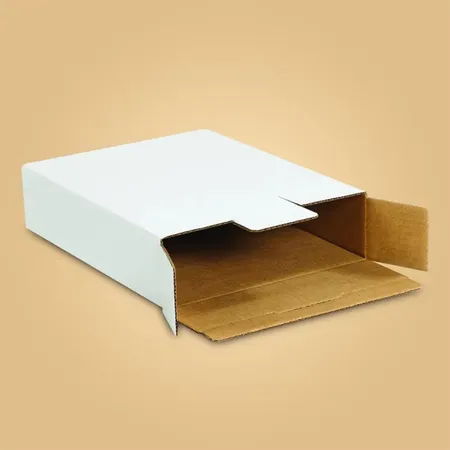
| Side Loading Tab Lock Mailers | Long, slim products | Loads from the side, tabs lock the end |
| End Open Mailer Boxes | Goods that slide in lengthwise | Opening on one short end |
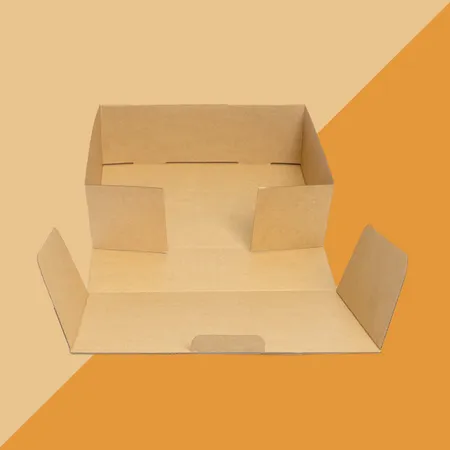
| Foldable Mailer Boxes | Small storage spaces | Ships flat, folds up without glue |
| Folding Small Mailing Boxes | Tiny items and samples | Compact flat-folding mailer |
| Small Mailer Boxes | Jewelry, cards and minis | Short depth keeps items from rattling |
| Square Mailer Boxes | Round or stacked products | Equal length and width |
| Large Mailer Boxes | Apparel, kits and bundles | B-flute board for bigger panels |
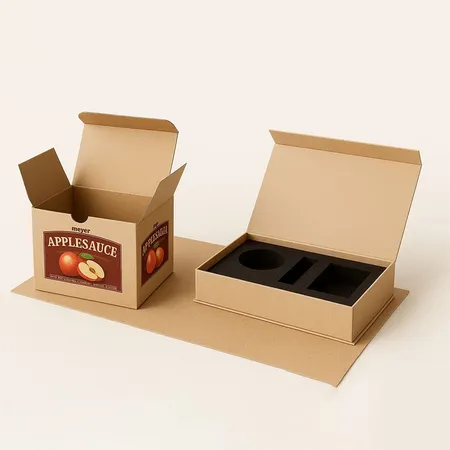
| Mailer Boxes with Inserts | Bottles, jars and devices | Die-cut insert holds each piece |
| Assorted Mailer Boxes | Sampler and mixed sets | Compartments sized per item |
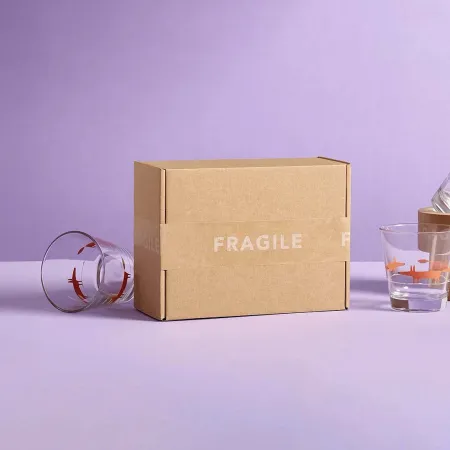
| Fragile Mailer Boxes | Glass and ceramics | Snug fit plus protective insert |
| Double Sided Mailer Boxes | Brands that print the inside | Artwork on both board faces |
| Rigid Packaging Mailers | Premium keepsake packaging | Wrapped chipboard that does not fold flat |
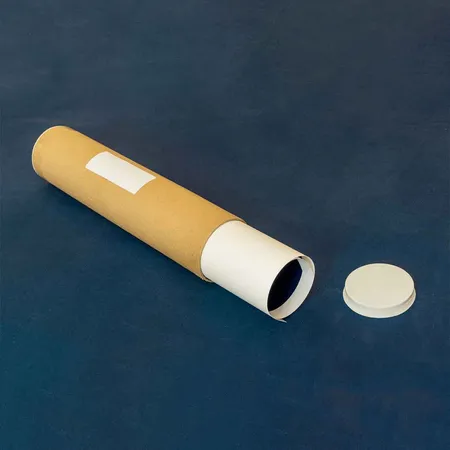
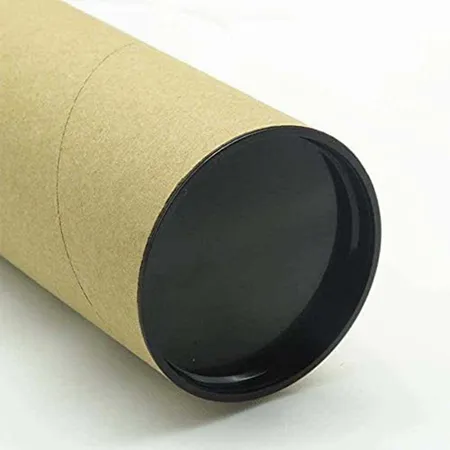
| Cylinder Mailing Boxes | Rolled prints, tall bottles | Round paper tube with end caps |
Closures that keep the lid where it belongs
A plain tuck front holds well for most light orders. Heavier contents can push a tuck lid open when a parcel lands on its side.
Ear lock mailer boxes with locking lid tabs solve that. Small ears on the lid flaps slide into slots and grip the walls.
Self seal strips go one step further. Once the liner comes off and the lid presses down, the box stays closed until someone opens it.
Tab locks suit long boxes that load from the side. The tabs click into the end panels and hold without glue or tape.
Think about returns as well. A tuck or ear lock lid closes again for a return, but a used self seal strip will not grip twice, so returns need tape.
Front, top, end or side: picking the opening
Think about the first thing your customer should see. A front-opening mailer lifts like a lid and shows the whole product at once.
Long, slim goods tell a different story. Pens, brushes, candles in tubes and tool sets slide out better from a short end.
Our end open mailer boxes for slide-in products put the opening on that short end. The end panel then works like a label with your logo or product name.
Side loading tab lock mailers work the same way along a long edge. They pack fast when you load the same product hundreds of times a day.
Top-opening tuck lids suit flat items you want seen at a glance, like a folded shirt or a set of cards. The lid lifts and the whole product shows.
How to choose a style in six steps
Most buyers settle on a style in a few minutes once they work through these questions in order.
If the answers point to a strip closure, self seal mailing boxes with a peel strip are the usual pick for fast packing tables.
Keep a note of your answers. They match the details on our quote form, so your proof comes back sooner.
- Measure the product, or the full set, at its widest points in inches.
- Weigh one packed order to judge whether paperboard or corrugated is needed.
- Decide how the box should open: front lid, top tuck, end or side.
- Choose how it closes: tuck, ear lock, tab lock or self seal strip.
- Add an insert if items can touch, roll or rattle against each other.
- Send the details with your logo and we return a free proof on the chosen style.
Sizing changes with the style
Every style eats a little internal space in its own way. Roll end walls are double thickness, so a 1.5 mm E-flute side takes about 3 mm from each inside width.
Always quote inside dimensions, length by width by depth. We work out the dieline around those numbers.
Small mailer boxes for jewelry and minis need the tightest fit. Leave about 1/8 inch of room on each side, not more, or light items slide around.
Square mailers suit round jars and stacked sets. Large mailers often move up to 3 mm B-flute so wide panels do not bow under a shipping label.
Depth is where most sizing errors happen. Measure the tallest point, including caps, pumps and any tissue you lay on top.
Board options by style
Most styles can be made in more than one board. Weight, value and how the box ships decide which one makes sense.
For a gift that stays on a shelf afterward, rigid packaging mailers in wrapped chipboard feel solid in the hand. They do not fold flat, so plan storage space.
Paperboard keeps a parcel light and slim. Corrugated adds a little bulk but handles drops, stacking and sorting belts far better.
- 18–24 pt SBS or kraft paperboard: tuck top, folding small and light self seal mailers.
- E-flute corrugated (1.5 mm): roll end, ear lock, square and most mailers with inserts.
- B-flute corrugated (3 mm): large mailers, fragile goods and heavier side loading boxes.
- Rigid chipboard wrapped in printed paper: premium rigid mailers.
- Paper tube with end caps: cylinder mailing boxes for rolled or tall products.
Inserts, sets and breakable goods
An insert turns a hollow box into a fitted one. It also lets a smaller box do the job, which cuts filler and parcel size.
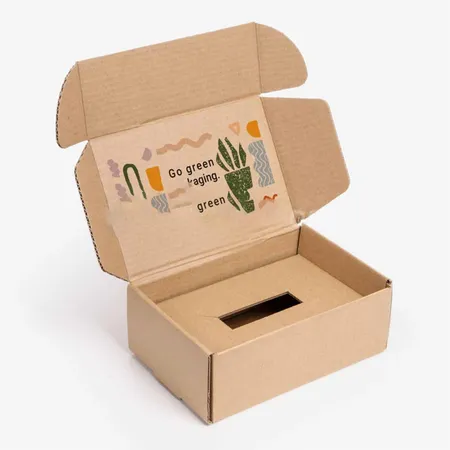
Mailer boxes with die-cut inserts hold each item in its own cavity. Paperboard inserts suit light pieces, while corrugated inserts carry glass and heavier jars.
Sampler sets need compartments sized to each product. Glass and ceramics need a snug cavity plus a gap between the item and the outer wall.
Measure the real item rather than a spec sheet, since caps, labels and pumps change the fit. List a measurement for each piece in the set.
Printing and finishes on different structures
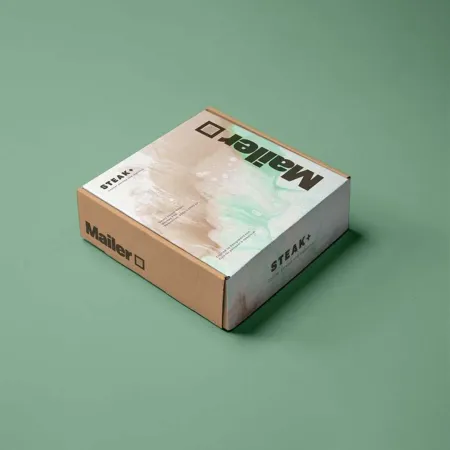
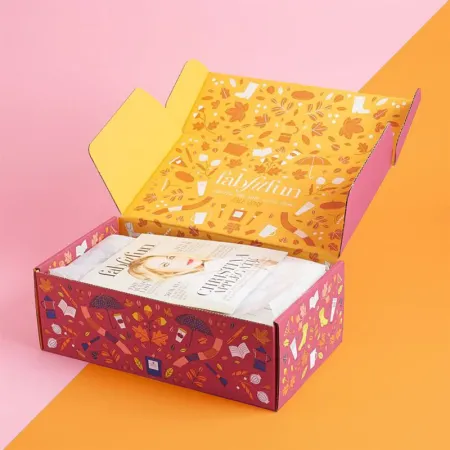
Each style shows its artwork in a different order. On a tuck front, the lid top and the inside lid carry the most attention.
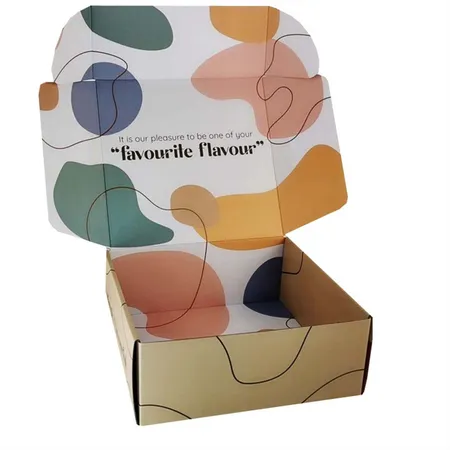
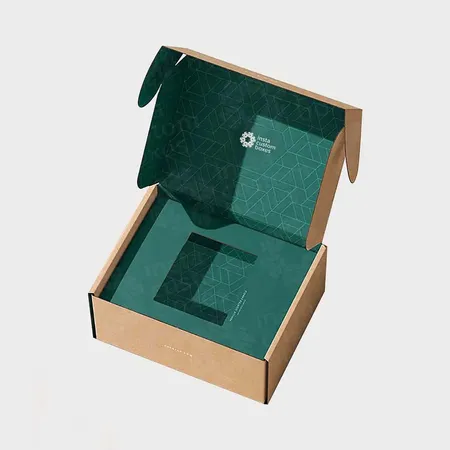
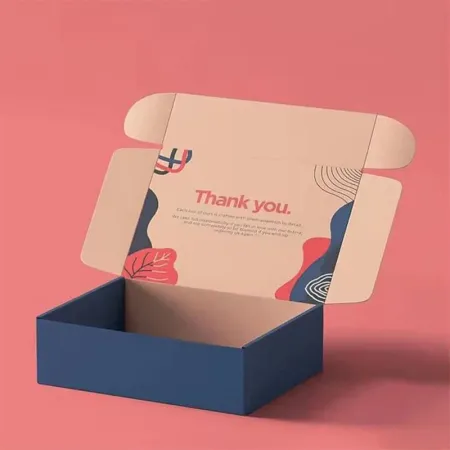
Double sided mailer boxes printed inside and out make the opening moment count. A thank-you line or care steps sit right under the lid.
End opening and side loading boxes put more weight on the narrow panels. Keep logos at least 1/8 inch from every fold so they do not wrap around a corner.
Folding styles take lamination, spot UV and foil straight onto the printed board. Rigid mailers get their finish on the paper wrap instead.
Self seal and ear lock lids add strips or slots near the lid edge. Keep small text clear of those areas so nothing is covered or cut.
Style mistakes we catch at the proof stage
Most problems show up when a style is chosen for looks alone. These are the ones we flag most often.
Round products are a common case. A cylinder mailing box made from paper tube often fits them better than a square box packed with filler.
- Choosing a tuck top for a heavy product that forces the lid open.
- Giving outside dimensions, which leaves the product too tight to close the box.
- Placing a logo across a fold line on an end open or tab lock style.
- Skipping an insert for glass because the box feels strong when empty.
- Ordering a rigid mailer without space to store boxes that cannot fold flat.
Flat storage and packing day
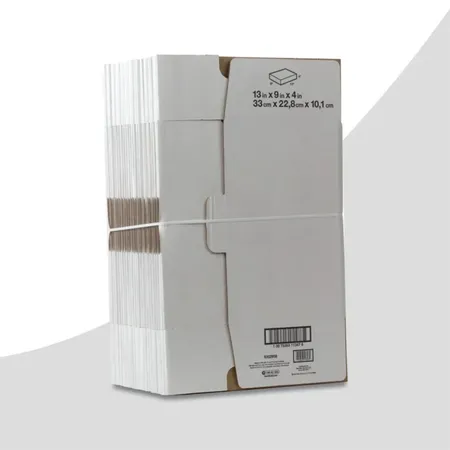
Every style except rigid mailers and tubes arrives flat. That matters if you pack from a spare room or a small unit.
Foldable mailer boxes that ship flat assemble by hand with no glue. A packer learns the folds after a few boxes.
Stack flat boxes on a level shelf, away from damp floors and direct sun. Corrugated board can warp if it sits in humid air for weeks.
Plan how many boxes you pack in a week before choosing a quantity. A shelf of flat corrugated holds many more units than the same shelf of rigid boxes.
From your style pick to boxes at your door
Send your inside dimensions, product weight, chosen style and logo. Our team sends a free digital proof with the dieline, and revisions are unlimited.
Your boxes go into production once the proof is approved and are ready in 4–6 business days. Transit then takes 2–3 business days, with free shipping to the US, UK, Canada and Australia.
Changing the style after approval means a new dieline and a new proof. Settle the style first, then fine-tune artwork and finish.
Your unit price starts from $0.30 and moves with size, board, quantity and finish. You can request a quote for your box style and get the exact figure in writing.