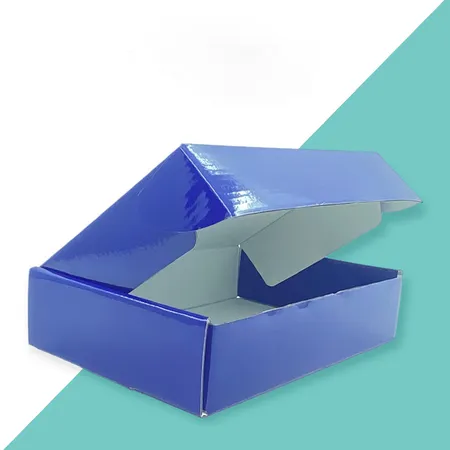
What the tab lock actually does
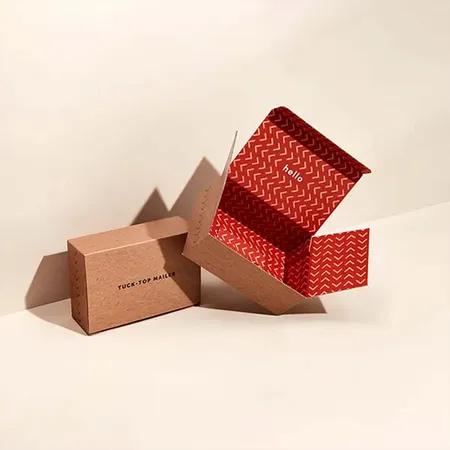
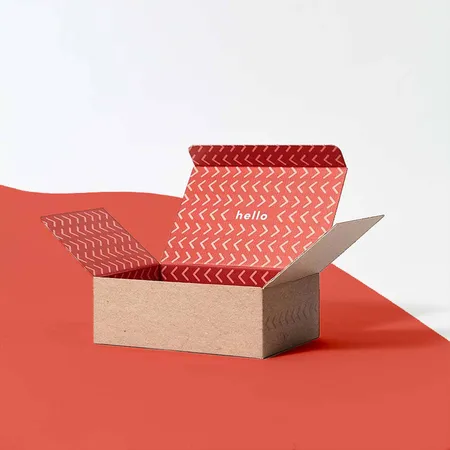
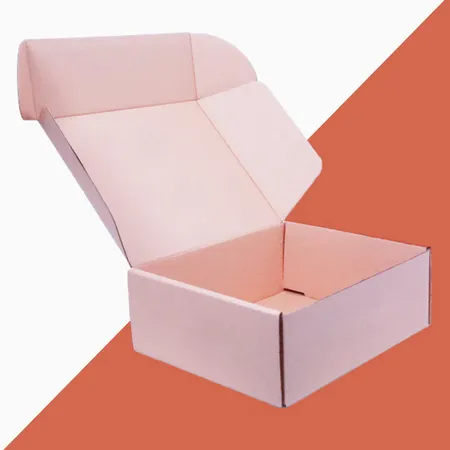
The closing flap on this mailer ends in a shaped tab. Your packer folds the flap over and pushes the tab into a slot cut in the facing panel.
Once it is seated, the tab resists being pulled back out. The mailer holds closed through handling without a strip of tape across the opening.
Most brands still tape or seal the box for the postal trip. The tab does the holding work while the box is being packed, stacked and labeled.
That matters on a busy packing line. A flap that springs open while a packer reaches for the next order slows everything down.
The tab also gives the box a tidy, finished edge. There is no loose flap corner for a sorting machine to catch.
Products that suit side loading
Side loading works best for products that are wide and flat. Sliding them in from the long edge is easier than lowering them into a deep tray.
If your product is long and narrow instead, loading from the short end usually makes more sense. Our end open mailer boxes are built for that shape.
- Books, workbooks and hardcover journals
- Picture frames and framed prints
- Flat-packed boards, puzzles and game boards
- Folded apparel in slim retail packs
- Document kits, welcome packs and presentation folders
- Thin electronics such as tablets in their retail sleeve
How packers assemble and load it
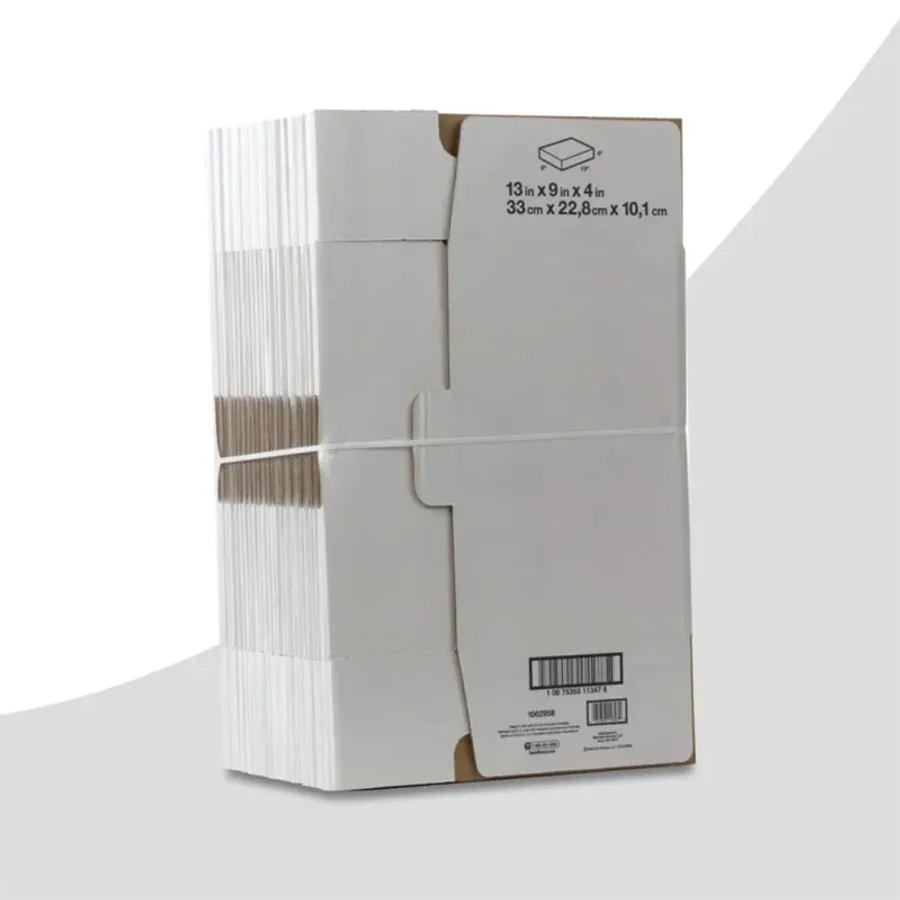
The mailer ships to you flat. Each one folds into shape in a few moves, and the steps stay the same for every size you order.
We mark the fold lines on the proof so you can brief your team before the boxes arrive.
- Fold the base panels up along the scored lines.
- Lock the short end flaps into place so the tray holds its shape.
- Slide the product in through the open long side.
- Fold the closing flap over the opening.
- Push the tab into its slot until it sits flush.
- Seal or label the mailer for dispatch.
Tab lock compared with other closures
Every closure trades packing speed against how easily the customer opens the box. The tab lock sits in the middle of that range.
It is quicker than taping a plain flap and opens without tools. It does not reseal as firmly as a peel-and-seal strip, so returns may need tape.
For a full side-by-side of the styles we make, browse our range of mailer box styles.
| Closure | Packing step | Customer opens by | Best for |
|---|---|---|---|
| Tab lock | Push tab into slot | Pulling tab free | Flat goods packed in volume |
| Tuck flap | Tuck flap behind wall | Lifting the flap | Gift-style reveal |
| Self seal strip | Peel liner, press shut | Tear strip or cutting | Speed and a firm seal |
| Ear lock | Fold ears into side walls | Lifting the lid | Lids that need extra hold |
Placing artwork on a side opening box
Because the box opens on the long side, the face your customer sees first is not always the top. Think about how the parcel will be held at the moment of opening.
Many brands put the main logo on the top panel and a short message on the closing flap. The flap is the first panel the hand touches when the tab comes free.
Keep text and logos clear of the tab slot. A cut through the middle of a word looks careless, even when the print itself is perfect.
Inside print is available too. It shows on the inner face of the flap as soon as the box opens.
On kraft board, white ink keeps a dark-toned logo readable. Spot UV on the top panel is one option covered in our printing and finishing options guide.
Board weight for flat and heavy items
A paperboard version in 18–24 pt SBS or kraft suits light items like folders and slim journals. It keeps parcel weight low and takes fine print well.
Books and boards usually ship in 1.5 mm E-flute corrugated. B-flute at 3 mm suits framed glass and heavier hardcovers.
The tab itself gets stiffer as the board gets thicker. On B-flute, we adjust the slot on the dieline so the tab still seats without tearing.
If you ship books regularly, compare this style with our custom book shipping boxes before deciding.
Adding a tear strip or seal strip
A tab lock alone is easy to open, which suits retail packs. For mail orders, many sellers add a second feature for security or convenience.
A tear strip runs along the box so the customer can open it in one pull. A peel-and-seal strip closes the flap firmly and lets you skip tape altogether.
Our self seal mailing boxes show how the adhesive strip is placed. The same strip can sit under the tab flap on this style.
One box for the shelf and the mailbox
Side loading tab lock mailers started life in retail. A closed box with a clean top panel sits well on a shelf. The tab keeps it shut when shoppers pick it up.
That makes the style useful for brands that sell in shops and online at the same time. One printed box can go on a store shelf one day and into a postal sack the next.
For the shelf, a matte or soft-touch lamination keeps the box looking new under handling. For the mail, a seal strip or a wrap of tape adds the extra hold a carrier network calls for.
Ordering one design for both channels also means one artwork file and one stock count. Small brands with limited storage tend to like that.
Where side loading mailers go wrong
Most issues come from treating this box like a top-opening mailer. Watch for these points on your proof.
Each one is simple to correct before printing. After printing, the only fix is a new run.
- Sizing the opening too tight for the product to slide in
- Putting key artwork where the tab slot will cut it
- Choosing paperboard for a framed or glass item
- Skipping a seal for parcels that travel long distances
- Forgetting which side faces up when printing a message
Ordering your tab lock mailers
Start by sending your product sizes and your logo or artwork. We prepare the dieline and a free digital proof showing the tab, slot and print placement.
Adjust it with unlimited revisions. Once you approve, these mailers are produced in 4–6 business days and reach you 2–3 business days after that.
We ship these mailers free to the US, UK, Canada and Australia. To lay out your own artwork first, try our online box design page.