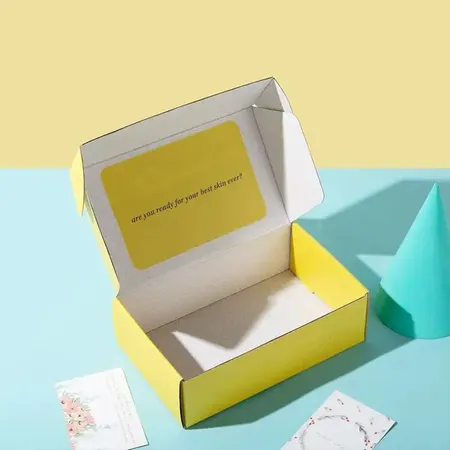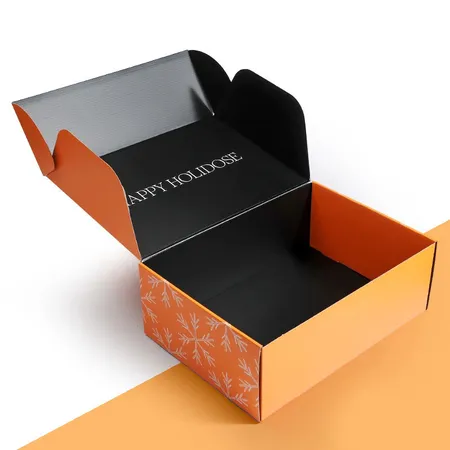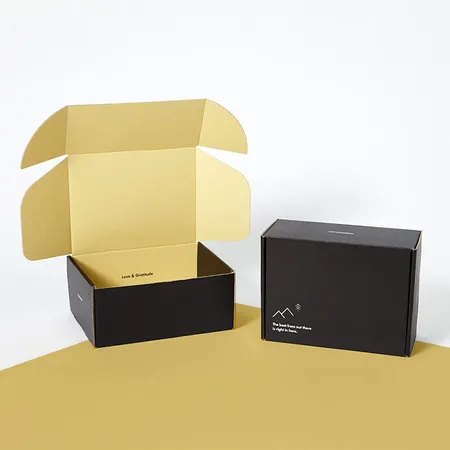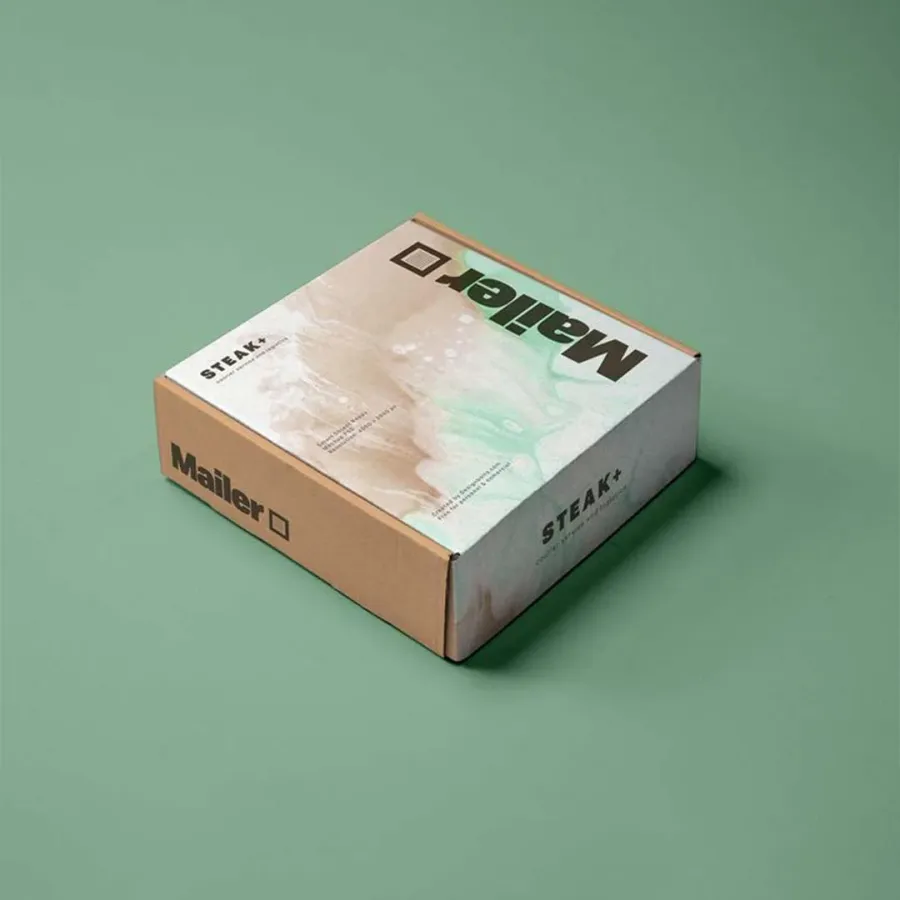
Who ships breakables in a mailer
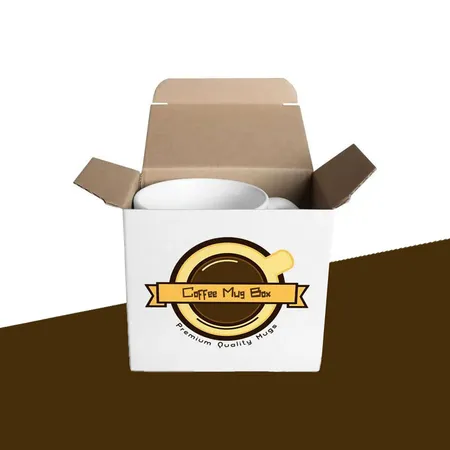
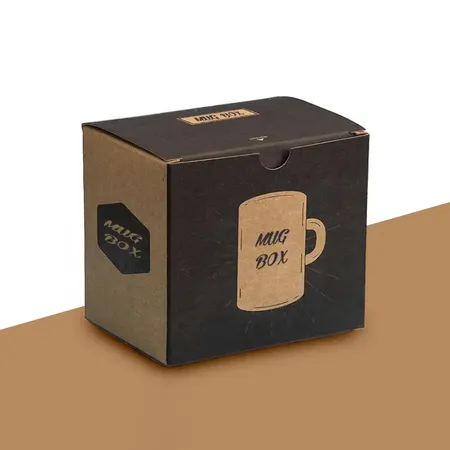
Potters and ceramic studios order this box most often. A mug or a small vase needs more than a padded bag.
Home decor shops ship small frames, mirrors and decorative bowls. Each needs a different hold, so their inserts vary more than most.
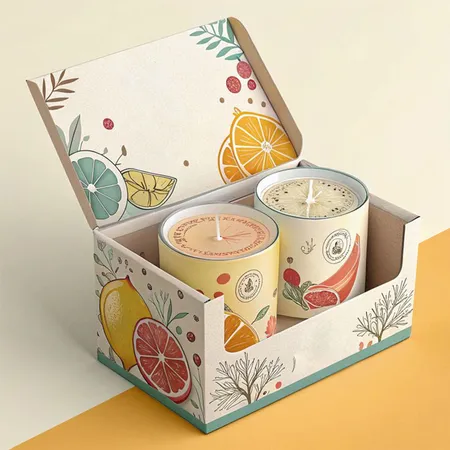
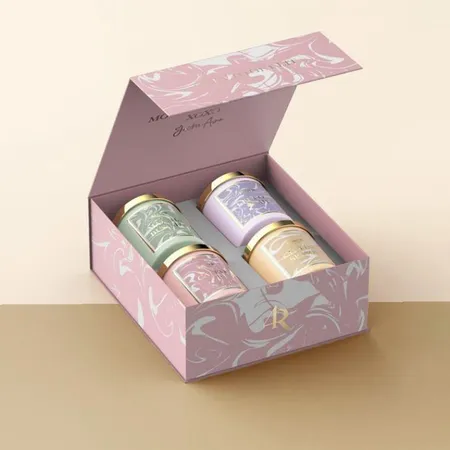
Glassware brands send tumblers, carafes and bottles. Candle makers ship poured candles in glass jars that crack if they knock together.
Lab and hobby suppliers send glass vials and small instruments. They often need several cutouts in a single tray.
Beauty brands with glass bottles fit here too. For fragrance in particular, our perfume mailer box options focus on bottle shapes and caps.
Where breakage usually starts
Most breaks do not come from a single big drop. They come from a product moving inside the box and hitting a wall or another item.
Corners are the weak point of any parcel. When a box lands on a corner, force goes straight into whatever sits nearest it.
So the aim is twofold. Hold the product still, and keep it away from the corners and outer walls.
Heavy parcels stacked on top are another risk. A lid that flexes under weight passes that pressure down to the product.
- Loose items knocking together
- Products touching the outer walls
- Gaps that let the lid sag under weight
- Thin board crushed by heavier parcels stacked above
B-flute or E-flute for breakable goods
B-flute corrugated at 3 mm has taller flutes and more cushion. It is our usual suggestion for glass and ceramics.
E-flute at 1.5 mm is thinner and folds into a neater, slimmer box. It suits lighter fragile items with a snug insert, such as small candles.
Both come with white or kraft outer liners. Our corrugated mailer box page explains flute grades in more detail.
| Product | Board | Insert |
|---|---|---|
| Ceramic mug | B-flute | Cradle with handle slot |
| Candle in a glass jar | E-flute or B-flute | Round cutout tray |
| Set of two tumblers | B-flute | Divider between pieces |
| Glass serum bottle | E-flute | Upright cutout with cap space |
| Small framed print | B-flute | Corner blocks |
Inserts that hold a product still
An insert does most of the protective work. It keeps the product centered and stops it touching the outer walls.
Cutout trays suit round items like jars and bottles. Cradles suit mugs and bowls, and dividers keep sets apart.
We cut the insert to your exact product. Send a sample or careful measurements, including handles, lids and labels.
Inserts can be plain or printed to match the box. Our page on mailer boxes with protective inserts shows the main shapes side by side.
Leave a little space between the product and the insert walls. A cutout that is too tight can chip glaze when the item is pushed in.
Testing your packed box before launch
Before you ship to customers, run a simple trial with a few packed boxes. It shows weak spots while changes are still cheap.
- Pack a box exactly as you would for a real order.
- Shake it gently and listen for movement.
- Drop it flat from a low height onto a hard floor.
- Drop it again onto one corner and one edge.
- Open the box and check the product and the insert for marks.
- Adjust the insert or fill and repeat with a fresh box.
Printing handling text and icons
A clear handling message can help carriers treat a parcel with care. Many brands print a short line on two sides.
Keep it simple and readable. An upward arrow and the word fragile do more than a long sentence.
Handling text can sit alongside your branding. Put the logo on the lid and the handling marks on the side panels.
Handling marks are a request, not a promise. The box and insert still have to do the protective work on their own.
- Arrows showing which way is up
- A short fragile line on two opposite sides
- A glass icon for glassware
- Your return address away from the label area
Packing fragile orders at speed
Busy sellers often skip steps when orders pile up. A fitted insert reduces how much loose fill you need, which speeds up each box.
Wrap each item before it goes into its slot if the surface marks easily. Tissue or a thin sleeve guards glazes and printed glass.
Keep spare inserts beside the packing table. A crushed insert should never be reused for another order.
Set up one station for fragile orders only. Packers then never grab a thin box by mistake when they are rushing.
Returns and replacements for breakable goods
Even well-packed orders break now and then. Plan how you will handle a broken item before it happens.
Ask buyers for a photo of the product and the box. Many carriers ask for the packaging when you file a claim, so tell customers to keep it.
A replacement should ship in a fresh box and insert. Reusing a box that already took a hit makes a second break more likely.
If replacements are frequent, the build may need changing. Talk to us through the contact page about stronger builds and we will look at it with you.
Mistakes that lead to broken orders
The biggest mistake is choosing a box by product size alone. A breakable item needs space for the insert and a gap from every wall.
Another is relying on loose fill without a fitted insert. If you are planning a custom cutout, our guide to board choices for mailers explains why paperboard alone is too thin for glass.
Overfilling a box can also cause breaks. Pressure from a bulging lid pushes down on the product.
Skipping a test is the last one. A single trial drop often reveals a problem that would otherwise reach a customer.
Candles, mugs and gift sets
Candles and mugs are the two most common fragile items we box. Both have shapes that roll if they are not held.
Candle sellers often want room for a lid and a care card. You can see more ideas on our dedicated candle shipping boxes page.
Gift sets need dividers. Two glasses side by side should never touch.
Mugs with handles need a cradle with a slot. A handle that hangs free is the first part to snap.
Candle lids and wooden wicks add height. Measure with the lid on, since that is how the candle will travel.
Damage cover, proof and delivery
If a delivered run of boxes is misprinted or crushed, report it within 10 days. Our return policy for damaged boxes sets out how we reprint or refund.
Fragile mailers go to press once you sign off the free proof, and you can revise it as often as you need first. Printing takes 4 to 6 business days, then the boxes spend 2 to 3 business days in transit.
We pay the shipping on box orders to the US, UK, Canada and Australia. Prices start from $0.30 per unit, and your quote sets the exact figure for your size and board.