A Sample Size Range for a Mixed Catalog
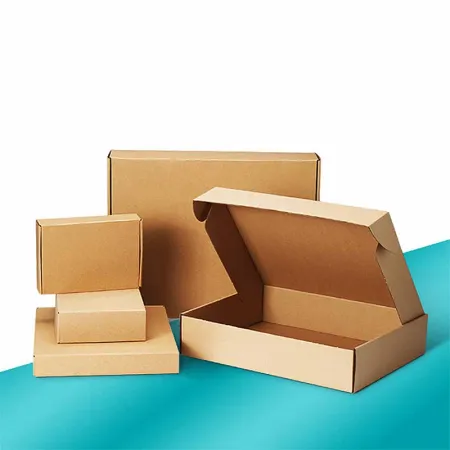
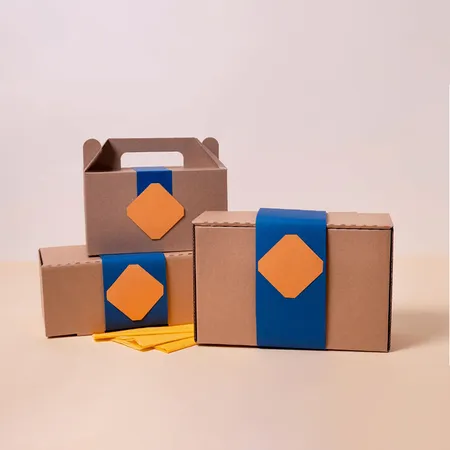
The table shows how a typical store might split a range. The exact dimensions come from your products, and our guide to measuring box sizes walks through the method.
Notice that the board gets heavier as the box gets bigger. Small cartons do not need the extra thickness, and leaving it out keeps them easier to fold.
If two of your sizes differ by only half an inch, merge them. The savings in storage and packing time outweigh a slightly looser fit.
| Range size | Typical contents | Board | Closure |
|---|---|---|---|
| Small | One item or an accessory | E-flute | Self seal strip |
| Medium | Two or three items | E-flute or B-flute | Tuck top |
| Large | Bundles and sets | B-flute | Tuck top or roll end |
| Extra large | Bulk or wholesale packs | B-flute | Tuck top with tape |
Keeping One Design Across Different Sizes
The art has to scale without looking stretched. A simple layout with a logo and a pattern band adapts to each size far better than a single large illustration.
We place the logo in the same position relative to the lid edge on every carton. When a customer receives two different sizes, they still look like one brand.
Our page on planning artwork for a box covers safe zones and fold lines in more detail.
Kraft board helps here, because its natural color hides small differences in ink coverage between sizes. White board shows color more brightly but needs a little more care in the layout.
Built for Transit, Not Only for Looks
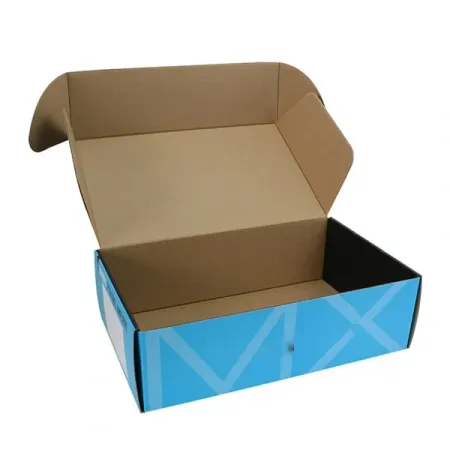
These are outer cartons. They are meant to survive sorting belts, stacking in a truck and the occasional drop from a porch step.
That is the difference from a printed mailer made for unboxing. If your priority is a showpiece reveal, our tuck-front boxes for variety sets focus on the inside layout instead.
For an assorted shipping range, the priority is crush resistance, a secure closure and a label panel that stays readable.
- B-flute walls on the larger sizes for stacking strength
- Tuck top flaps that lock without falling open
- Clear label panel on the top of each size
- Aqueous coating to cut down scuffs on printed areas
Closures and Returns
A self seal strip speeds up packing on the small sizes, because there is no tape gun involved. A tear strip lets the customer open the box cleanly without a knife.
If your store takes a lot of returns, ask for a closure the customer can reseal with tape. The box goes back in the same condition it arrived.
Print short return instructions on an inside flap if returns are common. Customers find them when they open the box, which saves an email to your support inbox.
Storing a Range in a Small Packing Area
Every carton ships flat, so a range of four sizes takes far less room than you might fear. Stack each size in its own labeled pile near the packing table.
Print a small size code on an inside flap. Packers can grab the right carton without unfolding three to check.
Keep the cartons off a concrete floor and away from damp walls. Corrugated board absorbs moisture and loses stiffness if it sits in a humid corner.
Restock before a size runs out completely. Packers who run short will grab the next size up, and that wastes fill and postage.
Picking the Right Size at the Packing Table
A simple rule chart beside the bench prevents most mistakes. List common products or bundles and the carton size that fits each one.
If an order falls between two sizes, choose the smaller one with a little padding. Space inside the box is the main cause of items moving and breaking.
Check the chart again after a month. If one size is barely used, drop it at your next order and put the money into the size that runs out first.
Stores that ship mostly single items in one product line may not need a range at all. For them, our single size ecommerce shipping boxes keep things simpler.
Plain Kraft or Full Color Print
Many sellers keep shipping cartons simple with a one color logo on kraft. It looks tidy, hides scuffs and keeps costs down across a larger range.
Full color print on white board is also an option for stores that want every parcel to feel premium. Compare looks on the box colors and finish options page.
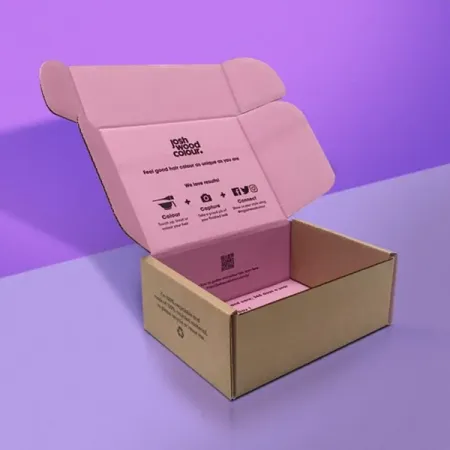
A middle path is kraft cartons with a printed inside. The outside stays discreet on a doorstep, and the customer still sees your brand on opening.
Whatever you choose, keep it the same across the range. Mixing plain and printed sizes makes the brand look patchy.
Quoting and Producing a Carton Range
Each size in your range is quoted on its own, from $0.30 per unit for the smallest simple builds. Larger sizes and heavier board cost more per carton.
We send a free proof for every size, and you can request changes to any of them until they look right. Production of the full range takes 4 to 6 business days after sign-off.
Cartons are delivered free to the US, UK, Canada and Australia, usually within 2 to 3 business days of dispatch. Start with our quote request for a carton range.
Ordering the whole range together is usually simpler than ordering sizes one by one. Your proofs, colors and delivery all line up.
Help With an Order That Goes Wrong
Open a few cartons of every size when the delivery lands. Report misprints or damaged boxes within 10 days, and we will reprint or refund them.
If you are unsure how many sizes to order, send us your order mix. Our team on (503) 461-4788 can talk through which sizes earn their place, or read the answers on our general packaging FAQ page.