Moving off stock cartons
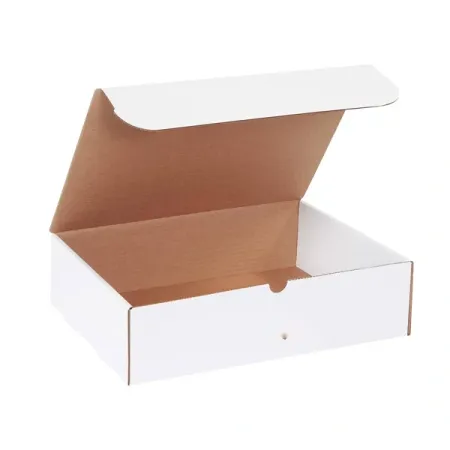
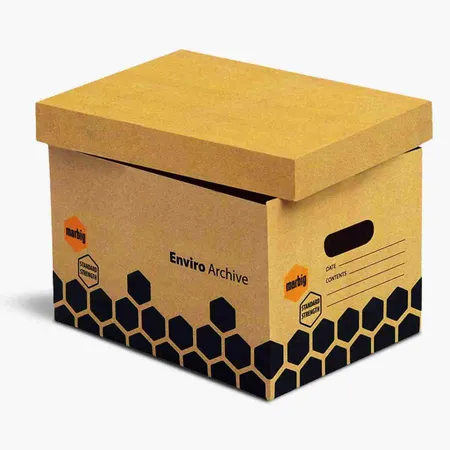
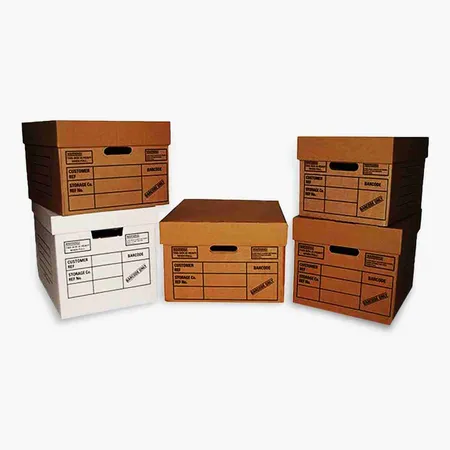
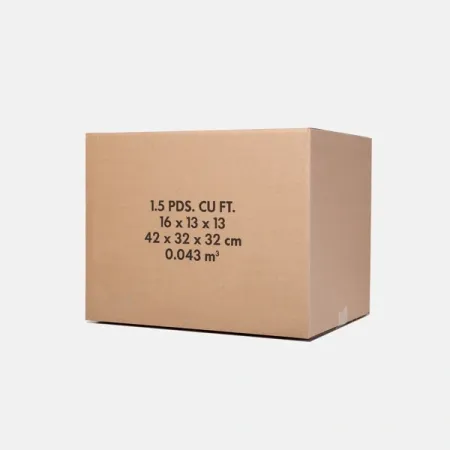
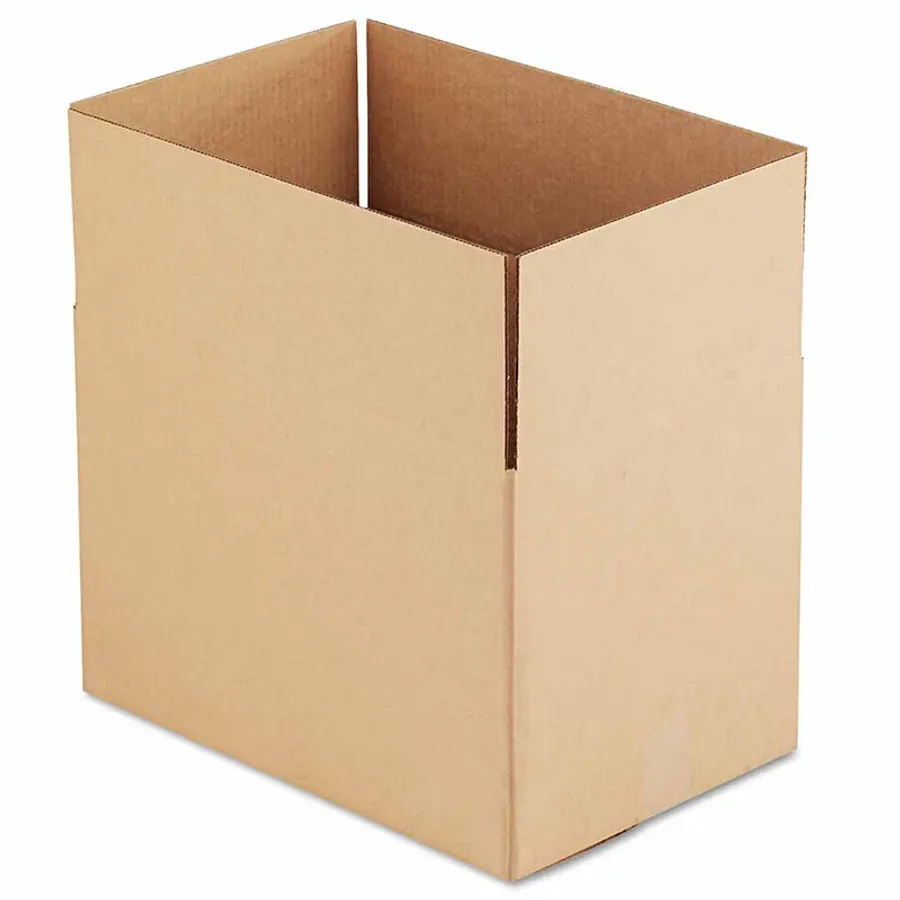
Most brands start with stock boxes from an office supply store or a packing shop. They work, but they are rarely the right size, and every one looks like everyone else's parcel.
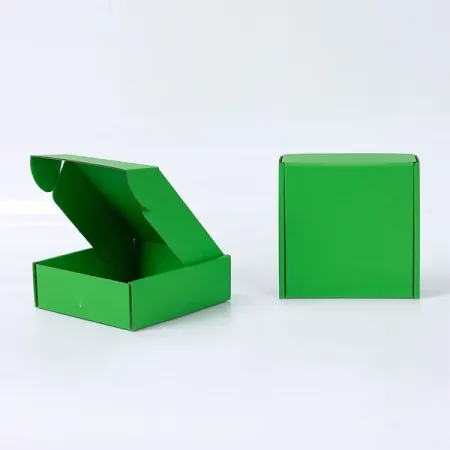
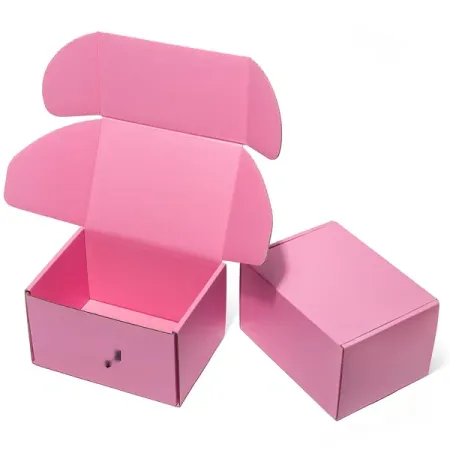
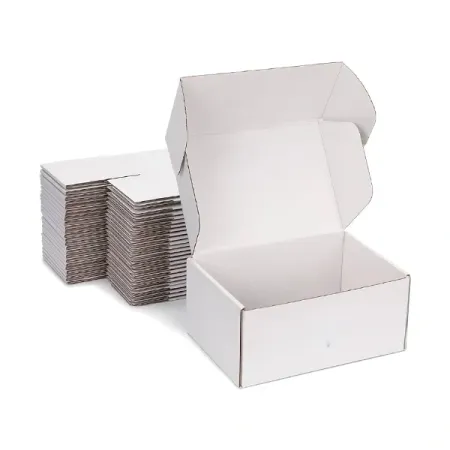
Custom shipping boxes change three things at once. The size fits your goods, the board matches the load, and the box carries your name to the door.
You do not need a large brand to make the switch. Small stores move to custom boxes once their order volume makes the stock box waste noticeable.
The switch is also easier to undo than people think. You approve the size and look before anything is made, and you can change either on the next run.
Signs your store is ready for custom boxes
There is no fixed point where custom boxes make sense. These are the patterns that usually push a store to make the move.
If two or more of these sound familiar, a custom box will likely pay for itself in less filler, fewer damage claims and faster packing.
- You pay for filler in almost every order
- Products arrive dented because the box is too large
- Your packers trim stock boxes down by hand
- Customers mention the plain brown box in feedback
- You ship the same few products again and again
- Wholesale buyers expect branded cartons
Stock box against custom shipping box
A stock box is quick to buy and easy to replace. A custom box takes a little planning but pays you back on each parcel.
Here is how the two compare on the points buyers ask about most.
Some stores keep a few stock cartons for odd one-off orders. The custom boxes then handle the regular flow, which is where the savings build up.
| Point | Stock carton | Custom shipping box |
|---|---|---|
| Fit | Nearest standard size | Made to your inside size |
| Filler needed | Often a lot | Little or none |
| Board | Whatever the supplier stocks | E-flute or B-flute chosen for your load |
| Branding | None or a sticker | Printed logo, outside or inside |
| Opening | Knife through tape | Tear strip option |
| Ordering | Buy off the shelf | Quote, proof, then production |
E-flute or B-flute for your goods
E-flute is 1.5 mm thick. It suits lighter goods, prints sharply and keeps the box slim.
B-flute is 3 mm thick. It stands up to heavier loads, stacking in carrier trucks and rougher handling.
Think about how parcels travel, not only what they weigh. Long carrier routes with many handoffs favor the thicker board.
If your items vary a lot in weight, use E-flute for small sizes and B-flute for large ones. For a detailed look at heavy loads and dividers, see corrugated shipping boxes for heavy goods.
How much printing to put on a shipping box
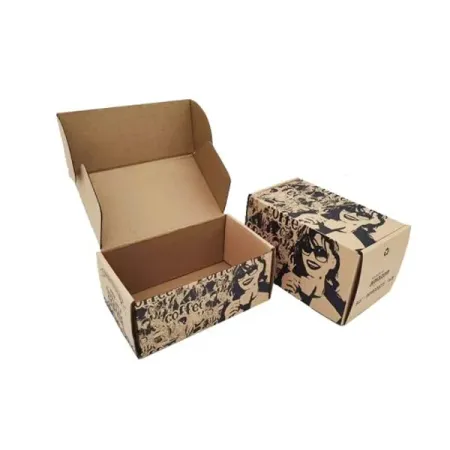
A custom shipping box does not have to be fully printed. Many brands get most of the value from a single logo on two sides.
Kraft board with one dark ink is the simplest look. It reads clearly, hides scuffs and keeps the box practical.
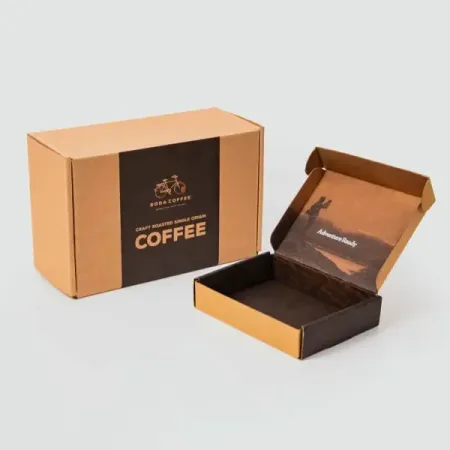
White board with full color suits brands whose shipping box is also the gift box. Inside print adds a surprise without changing how the parcel looks on a porch.
Remember where the label goes. Keep the top panel clear in a label-sized area, so carrier stickers never cover your logo.
Not sure where to start? Our free help designing your box covers logo placement and simple layouts.
Picking a box style
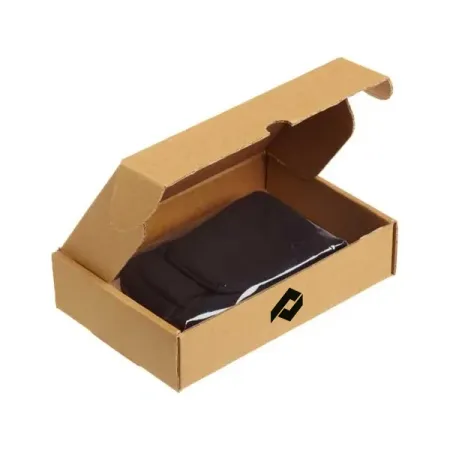
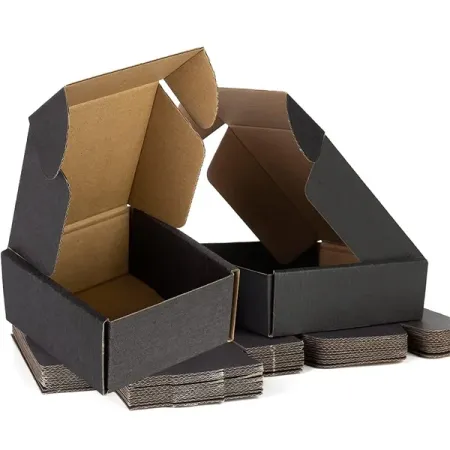
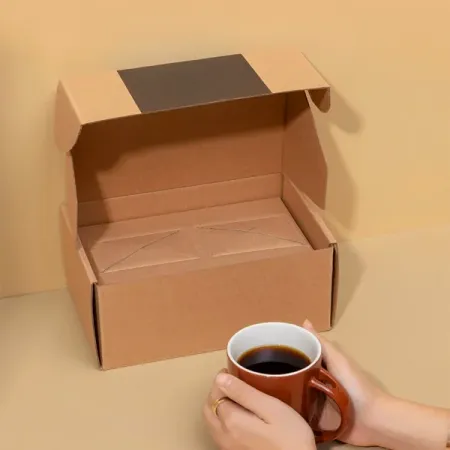
Tuck top boxes close with a lid that tucks in and suit everyday shipping. Roll end tuck front boxes have double side walls and open like a gift.
Side loading tab lock boxes open at one end. They suit long, flat items such as prints, boards or tools.
Packing speed differs between styles too. A tuck top is quick to close, while a roll end tuck front takes a few more folds but looks more finished.
Any of these can carry a tear strip for easy opening or a peel-and-seal strip for faster packing. The guide to box styles and closures shows each one folded.
How a custom shipping box order runs
The process is the same for a single size or a full set. You see and approve everything before production starts.
Most of the time goes into getting the proof right. Once you approve, the rest runs on a fixed schedule.
- Send your inside sizes, item weights and logo.
- We suggest board, style and print to fit your goods.
- You receive a quote with unit pricing for each size.
- We send a free digital proof with the dieline and artwork.
- You request changes until the proof is right, then approve it.
- We produce the boxes in 4 to 6 business days.
- Boxes ship flat and reach you in 2 to 3 business days.
What sets the price of a shipping box
Price depends on four things: size, board, quantity and finish. Bigger boxes and B-flute use more material, and more print adds press time.
Unit pricing starts from $0.30 per box. Your quote shows the exact figure for each size, so you can compare options side by side.
Simple choices keep the cost down. A one-color logo on kraft costs less than full color on white, and it often suits a shipping box better.
Quantity also shifts the unit price. Larger runs spread setup across more boxes, so ask for two quantities if you are unsure.
Get your numbers through the custom shipping box quote form. It takes a few minutes to fill in.
Keeping your new boxes in good shape
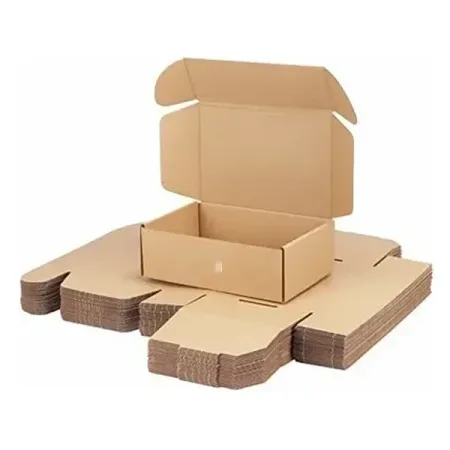
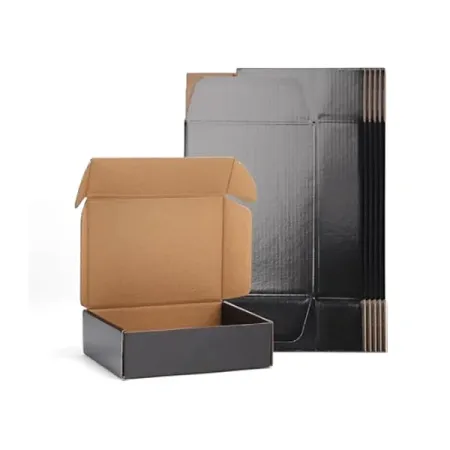
Custom boxes arrive flat in cartons. Keep them off the floor and away from damp, because corrugated board loses strength when it takes on moisture.
Store each size in its own marked stack. Fold boxes as you need them, not days ahead, so the creases stay sharp.
Stack cartons squarely and not too high. Crushed corners on the bottom cartons can weaken boxes before they are ever folded.
Count stock before busy seasons. Custom boxes take a production cycle to replace, so reorder before the last stack runs low.
Delivery and damage cover
Freight on every order to the US, UK, Canada and Australia is on us. Your flat-packed cartons usually land 2 to 3 business days after they leave production.
Check one carton from each size as soon as it arrives. Fold a box or two to confirm the size against your goods.
If boxes arrive damaged or with a print fault, tell us within 10 days. Our reprint or refund terms explain what we need from you.
Keep a few boxes from each delivery aside until you have checked the run. That makes any claim quick to settle.