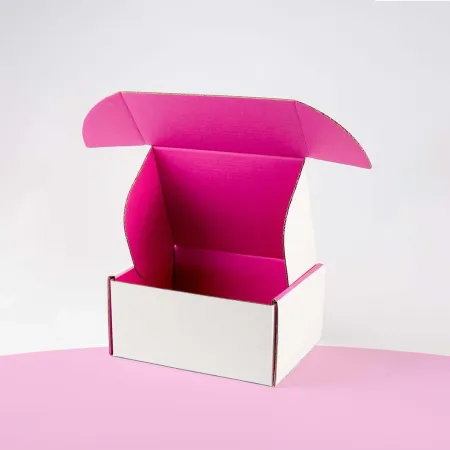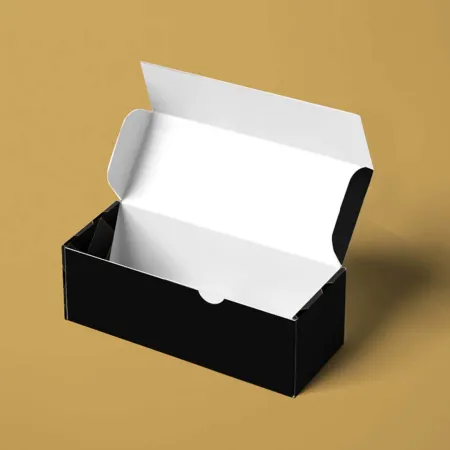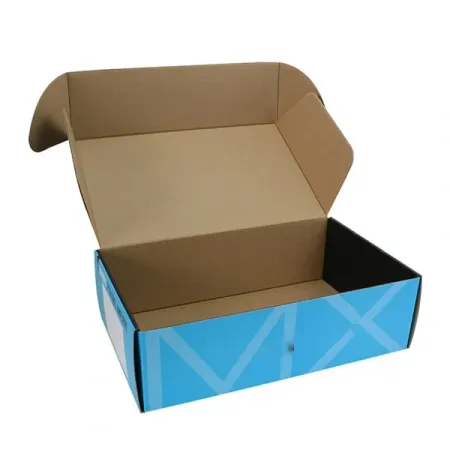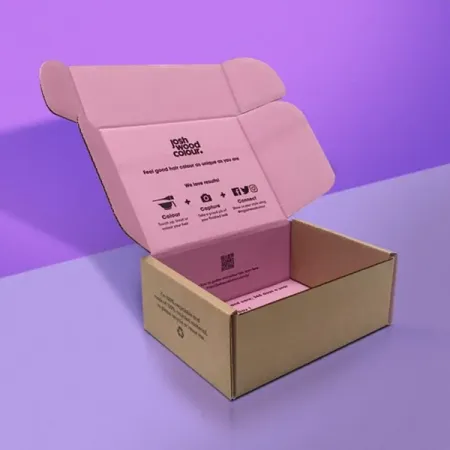
One box instead of two
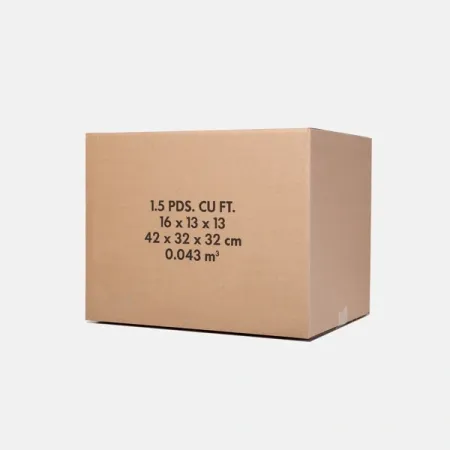
Many brands pack a printed box inside a plain carton. It works, but you pay for two boxes, two lots of packing time and a bigger parcel.
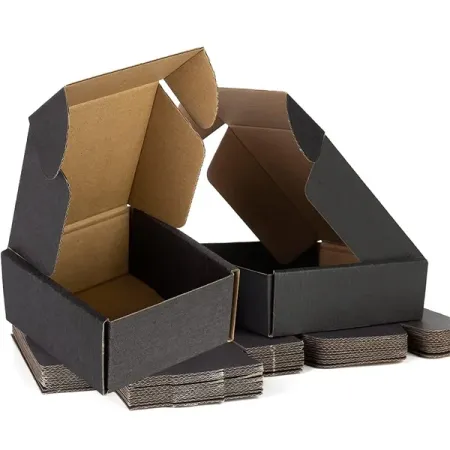
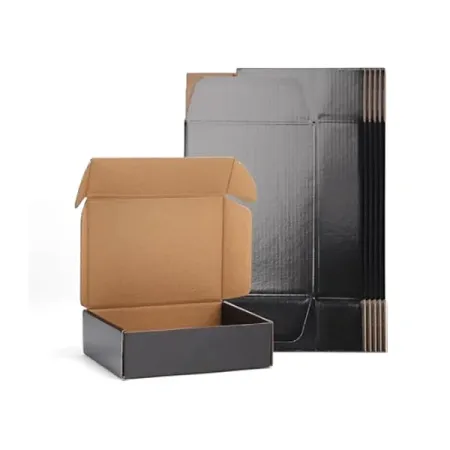
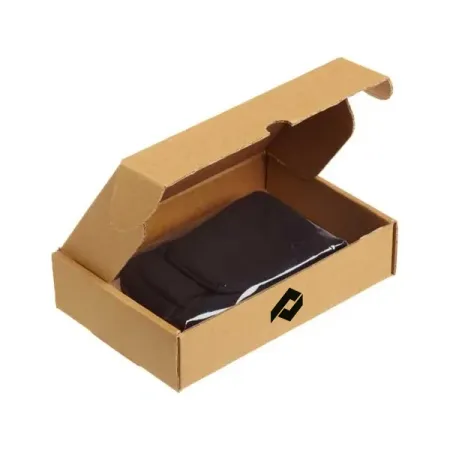
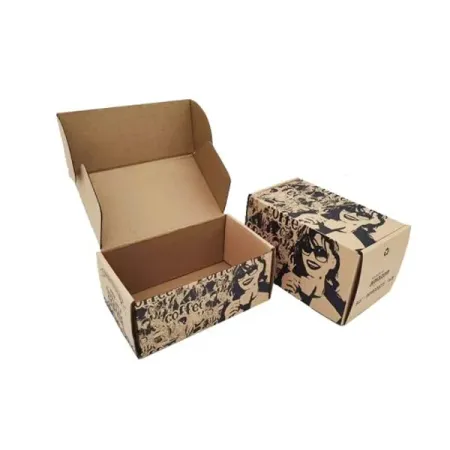
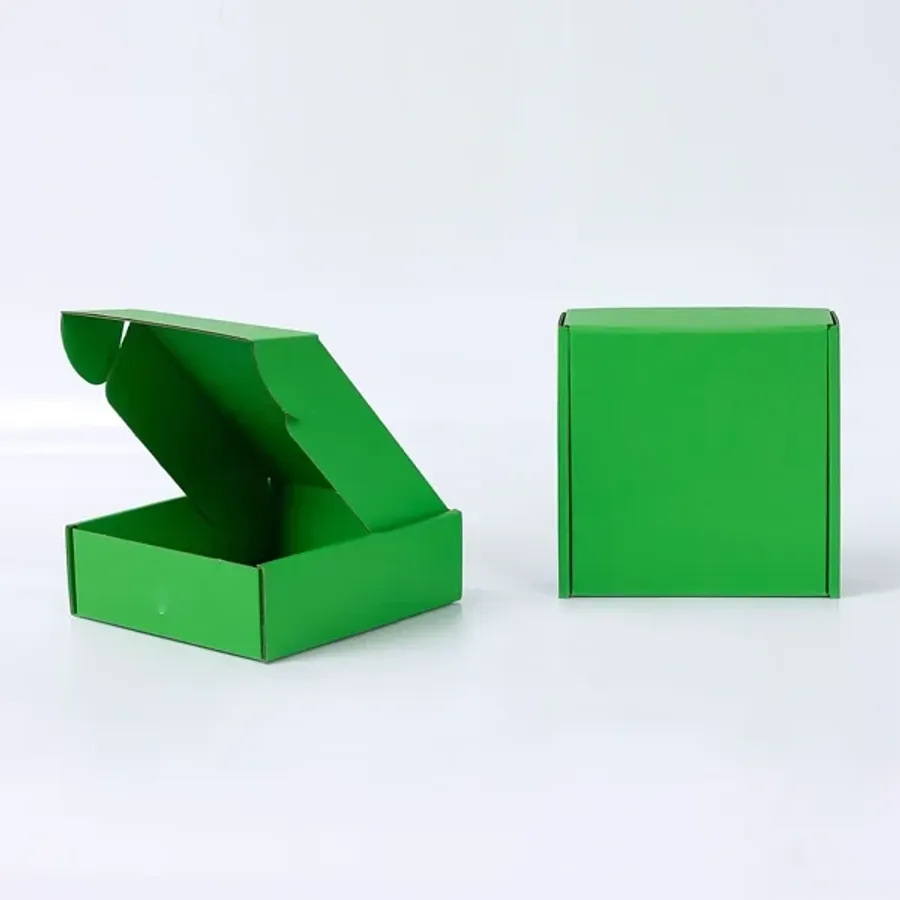
A shipping mailer drops the outer carton. The printed box goes straight onto the carrier's belt with the label on its lid.
That only works if the mailer is built for it. Board, style, coating and sealing all have to be chosen with the mail in mind, not only the shelf.
The saving shows up on every order. Less board, a smaller parcel and one fewer step at the bench all add up over a month of shipping.
What a mailer goes through on its own
A parcel passes through several sorting centers and trucks. It gets dropped from belt to belt, stacked under heavier boxes and left on a porch in the rain.
A carton would normally take that. Here, the printed mailer takes it directly, so the board and finish have to cope.
Knowing this helps you choose. Each decision below protects against one of these real-world hits.
None of this means the box must look industrial. It means the strength has to be built in before the print goes on.
- Drops and corner hits on sorting belts
- Weight from boxes stacked on top in trucks
- Rubbing against other parcels in bags and bins
- Damp from porches, vans and loading bays
- Tape, labels and pen marks on the printed surface
Which products can ship without a carton
Most everyday goods travel well in a strong mailer. Clothing, books, skincare in plastic bottles and boxed accessories are good examples.
Heavy glass, ceramics and anything with sharp corners need more thought. Some can go in a mailer with a firm insert; others still need a carton.
Treat the table as a first guide. Your quote will flag anything that looks risky for the board you pick.
| Product type | Ships alone in a mailer | Suggested setup |
|---|---|---|
| Folded clothing and soft goods | Yes | E-flute, tissue wrap |
| Books and stationery | Yes | E-flute or B-flute, snug fit |
| Bottles in plastic or tins | Yes | B-flute with a corrugated insert |
| Boxed accessories and small electronics | Yes | E-flute with an insert |
| Glass jars and candles | Often | B-flute, corrugated insert, tight fit |
| Large ceramics or heavy glassware | Rarely | Inner box inside an outer carton |
Board that stands up to the mail
B-flute at 3 mm is the safe default for a mailer that ships alone. Its thicker flutes take corner hits and stacking weight better.
E-flute at 1.5 mm works for lighter goods that do not crush easily. It gives a slimmer box and finer print.
Liner color matters less to strength than flute does. Pick kraft or white for looks, then let the load decide the flute.
Paperboard is not suited to shipping alone in most cases. Keep it for retail boxes that travel inside something else.
For a side-by-side look at the two board types, read how corrugated and paperboard compare.
Style choices for a mailer that ships alone
The roll end tuck front is the most common pick. Its double rolled side walls add strength exactly where boxes get squeezed.
The ear lock style adds locking ears that hold the lid down hard. It suits heavier products that might push the lid open on a drop.
Whichever style you choose, keep the box close to the product size. A tight fit lets the walls share the load instead of flexing inward.
Tuck top and side loading styles are better for lighter items or for boxes that travel inside a carton. Our roll end tuck front mailer page shows the fold in detail.
Protecting the print in transit
Your artwork is now on the outside of the parcel, so it will rub against other boxes. Uncoated ink can scuff and mark on the way.
Aqueous coating adds a thin protective layer and keeps the board looking natural. Matte lamination gives stronger scuff protection and a smooth feel.
Dark solid colors show scuffs most. A mid-tone color, a pattern or kraft board hides wear far better than flat black.
Light colors pick up grime from belts and bins. A small pattern or a darker border along the edges keeps the box looking cleaner.
Keep your most detailed artwork inside. The printing and coating guide shows how each finish holds up.
Planning room for the shipping label
Every parcel gets a label, and it will land on your lid. If you ignore it, the label covers your logo on every order.
Set aside a clear area on the lid, sized for a standard 4 by 6 inch label. Place your logo on the front panel or the other half of the lid.
Return address and handling marks need space too. A small printed return block on a side panel saves a second sticker on each parcel.
Some brands print a faint outline where the label goes. Packers then stick it in the same place every time.
Our mailer artwork layout guide shows where to place a label zone on each common box size.
Sealing a mailer for carrier handling
A tuck front holds well in a carton, but on its own a hard drop can pop it open. Ship-alone mailers need a proper seal.
A peel-and-seal strip is the cleanest option. It bonds the lid to the front wall with no tape on the printed surface.
Branded tape or a strip of clear tape across the front also works. Pair either one with a tear strip so the customer can open the box neatly.
Press the seal along its full length before the label goes on. A half-pressed strip can lift at one corner on a cold loading dock.
Testing your first mailers before a full launch
Before you ship hundreds of orders, send a few test parcels to yourself and friends. Real carriers reveal problems no drawing will.
Note what arrives scuffed, dented or loose, then adjust the board, insert or seal on your next order.
If a test box arrives with a dented corner but an intact product, the build is usually fine. A loose or damaged product means the insert or board needs a change.
- Pack three or four boxes exactly as you would for a customer.
- Ship them to addresses on different carrier routes.
- Check corners, lid edges and the label area on arrival.
- Shake each box gently to feel for movement inside.
- Open with the tear strip and check the product.
- Note any changes and send them with your next quote.
When you still need an outer carton
Some orders are better off double boxed. Very heavy, very fragile or high-value goods fall into this group.
Gift orders sent to a third party can also benefit. The printed box arrives spotless, and the surprise is not spoiled on the doorstep.
You do not need two box designs for this. Keep the mailer the same and add a plain carton only for the orders that call for it.
In those cases, pair your mailer with one of our custom shipping boxes sized as outer cartons.
Ordering and delivery
Send your product sizes, weights and artwork through the shipping mailer quote form. We confirm board, style and seal on the quote, with unit pricing from $0.30 based on size, material, quantity and finish.
Once you approve the proof, we make your shipping mailers in 4 to 6 business days. They travel flat for around 2 to 3 business days, with no delivery charge to the US, UK, Canada or Australia.