Who Orders Flat Boxes for Art Prints
Illustrators, photographers and printmakers sell work on paper that has no frame to protect it. A poster tube rolls the paper and leaves a curl that buyers hate.
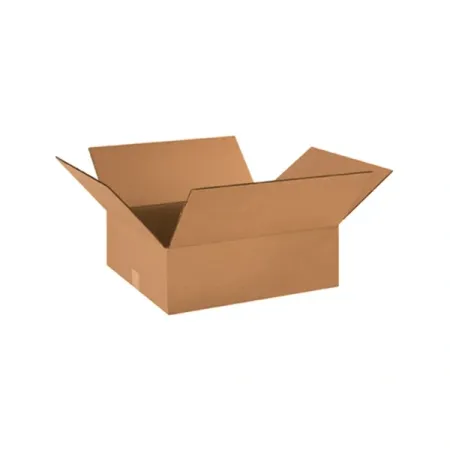
A flat box keeps the sheet as it left your studio. It suits giclée prints, risograph runs, screen prints, photo prints and small art bundles sold online.
Prints also travel well this way when they leave a market stall or a fair. You can pack ahead of time and keep a few boxes ready for walk-up sales.
- Independent artists selling limited editions from their own store
- Photographers shipping signed prints after a show or fair
- Print studios fulfilling orders for several artists at once
- Galleries mailing unframed works to collectors
How the Box Is Built to Stop Bending
Bending is the most common print complaint. The cure is a box that is wider and longer than the sheet but very shallow, so nothing can flex inside it.
For prints up to about letter size, E-flute is usually stiff enough. Larger sheets ship better in B-flute, which resists the bowing that happens when a parcel sits under heavier mail. Our guide on choosing corrugated over paperboard board explains the difference in plain terms.
The box should also close without pressure on the sheet. If the lid presses down on the print, a bump in transit can leave a dent or a crease line.
Ask for a depth that matches your stack exactly. A gap of a few millimeters above the top pad is plenty.
Protecting the Four Corners
Corners take the hit when a parcel is dropped on its edge. A crushed corner on a print cannot be fixed, so plan for it at the box stage.
We can add a corrugated frame insert that holds the print a short distance from every wall. The sheet then floats in the middle, and an impact lands on board instead of paper.
A frame insert also stops the print from shifting while you close the box. That matters on a busy packing day when you are working fast.
- Place the print in its own clear sleeve, with a backing board if you use one.
- Lay it into the frame insert so the corners sit inside the cutout.
- Add a top pad of the same board to sandwich the print.
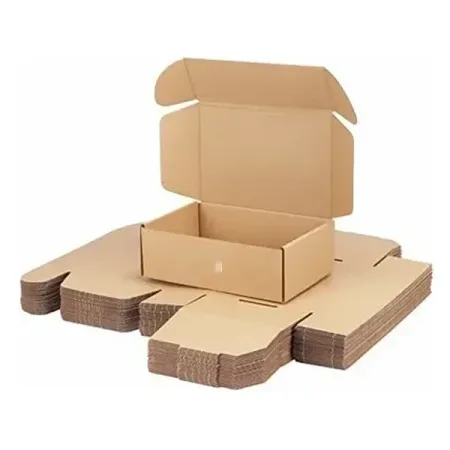
- Close the tuck flap or peel the self seal strip and press it down.
Shipping Several Prints in One Box
Bundles and print sets are popular, and they change the depth you need. A stack of five prints with backers is thicker than most people expect.
Measure a real stack before you order. If you sell both single prints and sets, two depths in the same footprint keep your printing consistent across both.
Put a sheet of tissue or glassine between prints in a set. It stops ink from rubbing and keeps a signed surface clean.
A printed insert card on top of the stack can list each title in the set. Buyers like knowing what they are looking at before they lift the tissue.
Printing That Suits an Artist Brand
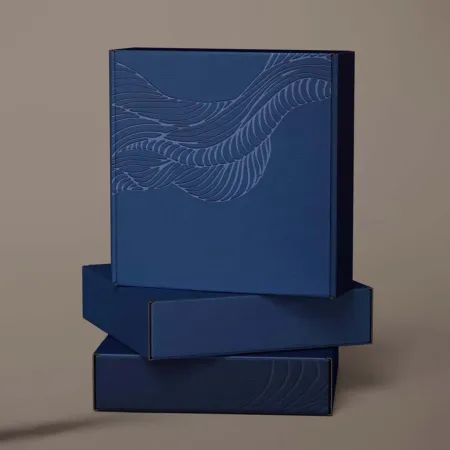
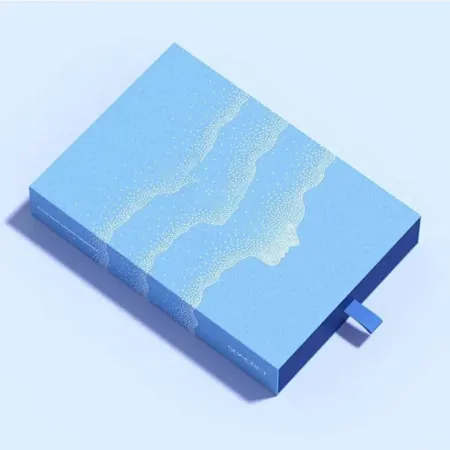
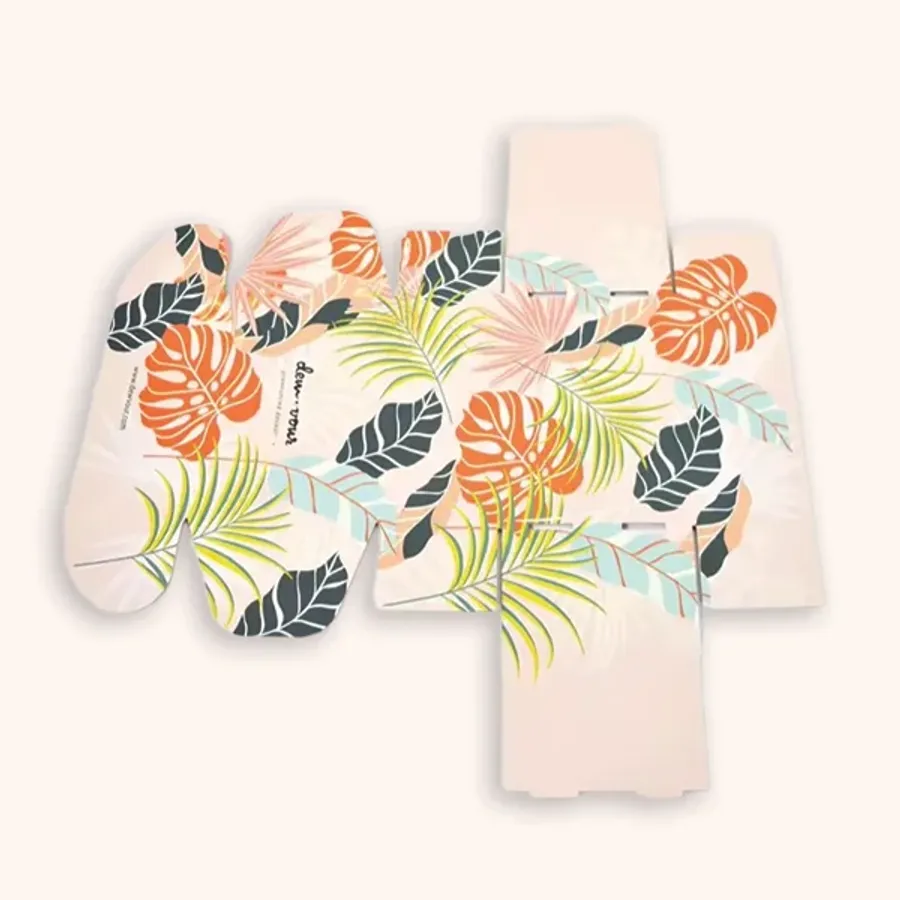
Your box is the first piece of your work a buyer touches. Many artists print a single illustration across the lid and keep the sides simple.
Kraft board with white ink gives a handmade feel. White board shows full color art with truer tones. You can see finish samples on our page about print finishes like foil and spot UV.
- Inside lid print for a thank you note or care card
- Edition number or signature line printed on the flap
- Matte lamination so the box does not compete with glossy prints
- Foil logo on a dark board for limited releases
Care Notes Buyers Should See When They Open It
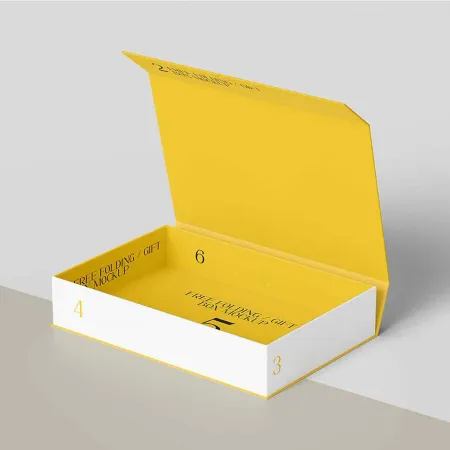
A short message inside the box saves you support emails. Printing it on the inner lid means it never falls out or gets lost.
Good notes are brief. Ask the buyer to keep the print flat, out of direct sun and away from damp until it is framed.
You can add your website and social handle on the same panel. That is where buyers look when they want to order the next print.
If you ship to cold or humid places, a line about letting the box warm to room temperature before opening is useful too.
Mistakes That Lead to Damaged Prints
Most damage we hear about comes from a box chosen before the print size was fixed. A second cause is no frame insert, so the sheet slides into a corner.
If you also sell framed originals, those need deeper cartons with more padding. Our boxes for shipping original artwork handle canvas depth and glass.
Another common problem is a print that sits right against a printed lid. Fresh ink on the inside of a box can transfer in heat, so leave inside print for areas away from the sheet.
- Box too large, so the print slides and creases
- No backing board, so the sheet flexes
- Paperboard used for a large sheet that needs corrugated
- Tape across the print sleeve that pulls the surface
From Artwork File to Printed Boxes
Send your logo or illustration and the print sizes you sell. We send a free digital proof, and you can request changes as many times as you need.
Your print boxes go into production after approval and are ready in 4 to 6 business days. Transit to your studio is usually 2 to 3 business days, with free delivery to the US, UK, Canada and Australia. To start, use the art print box quote form.
Have one sample print ready when the boxes land. Pack it, drop it from desk height on a corner, and check the result before your next launch.
Pricing and What Changes It
Pricing for art print shipping boxes starts from $0.30 per unit. The exact figure depends on size, board, quantity and finish, and your quote confirms it.
Large flat sizes use more board than small cubes, so they cost more per box. If a box arrives misprinted or damaged, report it within 10 days under our reprint and refund policy.
Ordering one size for your most common print usually gives the best value. You can add more sizes once you know which formats sell.
Related Packaging for Print Sellers
Some artists ship stickers, cards and small prints together. For those orders, stationery shipping boxes for paper goods are a lighter option.
Larger poster runs and wholesale orders to shops usually go out in plain outer cartons.
If you want those cartons branded as well, ask for one color logo printing on kraft. It keeps the look consistent with your retail boxes.