Why paper goods need their own box
Stationery customers notice small flaws. A bent notebook corner or a creased greeting card is enough to prompt a complaint.
Paper products also flex. A notebook in a loose box bends every time the parcel is lifted by one end.
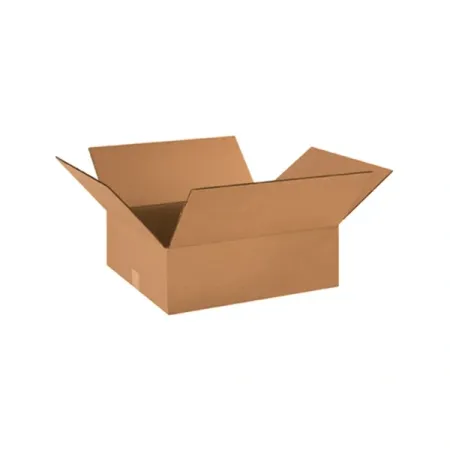
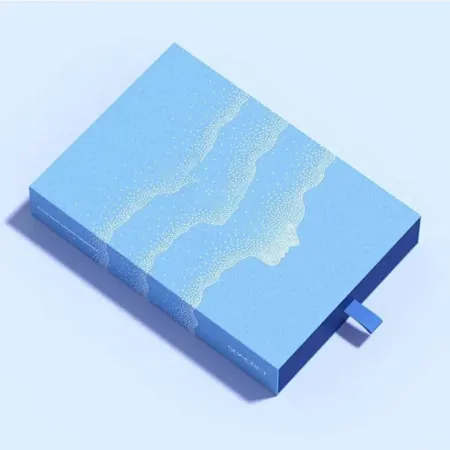
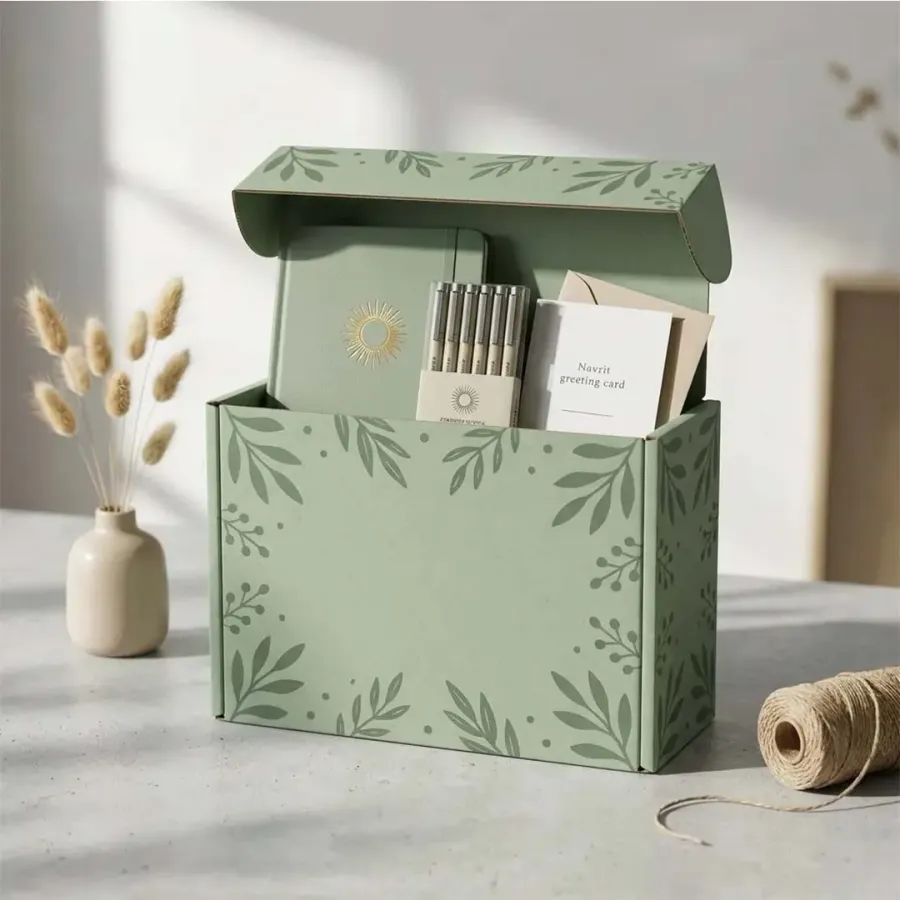
A stationery shipping box is shallow and fitted. It holds paper goods flat against a stiff base and keeps the corners away from the walls.
The box is part of the product too. People who buy beautiful paper tend to keep beautiful boxes, often for storing the stationery itself.
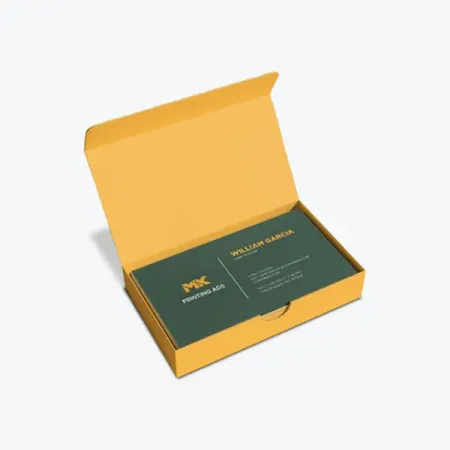
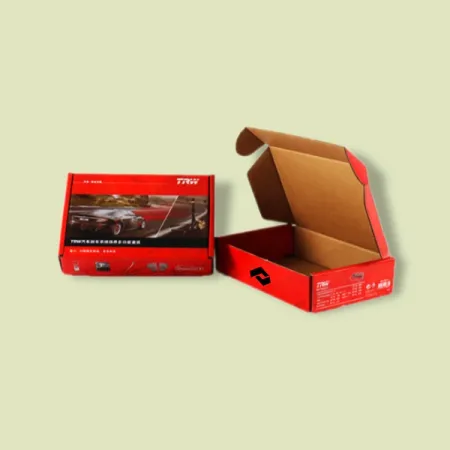
A sturdy lid that opens and closes cleanly many times adds to that second life. Roll end tuck front styles handle repeated opening well.
What stationery sellers ship in these boxes
Orders range from a single card to a full desk set. The box is sized around the largest or most fragile piece.
Mixed orders are common in this trade. A planner, a pen and a sheet of stickers can all travel in one fitted box with a simple divider.
Small makers selling cards and prints at markets also use the same box as a gift box at the stall. One design covers both the table and the post.
- Notebooks, sketchbooks and hardcover journals
- Planners and undated diaries
- Greeting cards and boxed card sets
- Wedding invitation suites and save-the-dates
- Pens, pencils, washi tape and sticker sheets
- Desk sets and gift bundles
Protecting corners, edges and covers
Corners take the hardest knocks in transit. A box sized with only a small gap around the product stops the paper from hitting the walls.
A paperboard pad under the product also helps. It spreads any knock to the base across the whole page block.
Soft-touch and linen-style covers scuff when they rub against bare board. A sheet of tissue or a paperboard tray gives the cover a smooth surface to rest on.
For hardcover journals and heavier planners, E-flute corrugated at 1.5 mm gives the walls more crush strength. Lighter card sets travel well in 18–24 pt paperboard.
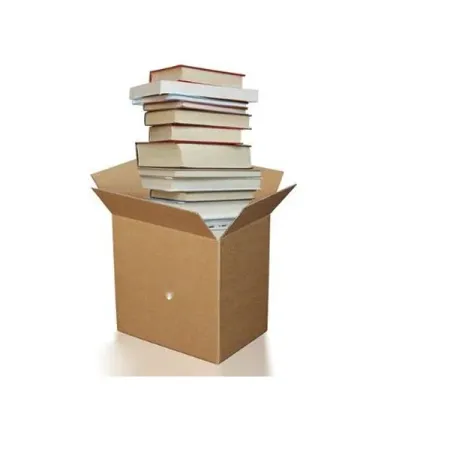
If your bestseller is a book or a bound journal, our custom book shipping boxes cover thicker bound products.
Box choices by product
Each stationery item has its own weak spot. This table matches common products to board and style.
Use it as a starting point. We confirm the fit against your actual product sizes on the proof.
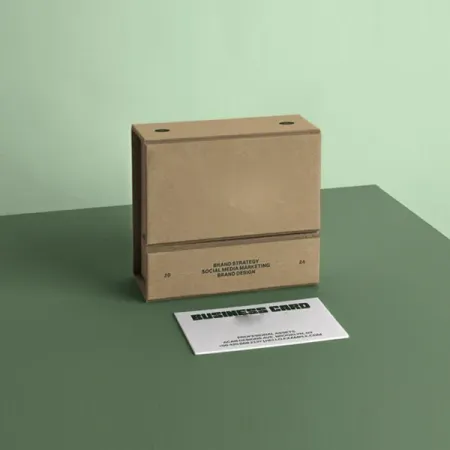
Printing letterpress or business cards in packs of a hundred or more? Our business card shipping boxes are sized for tight card stacks.
| Product | Board | Style | Main risk |
|---|---|---|---|
| Greeting card set | 18–24 pt SBS | Tuck front | Creased cards |
| Notebook or planner | E-flute | Tuck front or tab lock | Bent corners |
| Invitation suite | SBS or kraft paperboard | Tuck front | Scuffed envelopes |
| Pen and pencil set | 18–24 pt SBS with insert | Tuck front | Items rolling |
| Desk gift bundle | E-flute with dividers | Tuck front | Pieces shifting |
Building a stationery kit box
Kits are where stationery boxes earn their keep. A planner kit, a calligraphy set or a journaling bundle needs every piece to arrive where you put it.
Plan the layout in this order so the box fits the kit rather than the other way round.
Subscription-style stationery clubs follow the same process each month. The insert stays fixed while the paper contents change.
- Lay out every item in the kit on a table.
- Group flat items, such as paper and stickers, into one stack.
- Group loose items, such as pens and tape, for an insert.
- Measure the stack and the insert side by side.
- Add space for a card or instruction sheet on top.
- Send the sizes for a proof with the insert drawn in.
Printing for paper lovers
Stationery buyers have a trained eye for print. Fine lines, careful type and matched colors matter more here than in most categories.
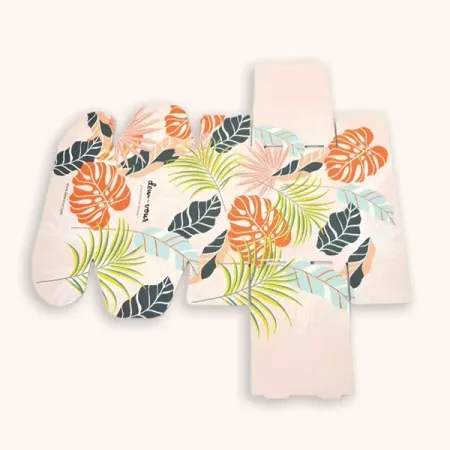
Many paper brands already have a strong pattern or illustration style. Carrying it onto the box makes the packaging feel like part of the collection.
Paperboard takes fine detail well, which suits pattern-heavy designs and small type. Pantone matching keeps a brand color identical across box, card and notebook cover.
Foil stamping, embossing and debossing echo the finishes found on premium paper goods. A debossed logo on a kraft box suits a handmade or letterpress brand.
For more on combining finishes, read our mailer box printing and finishes guide.
Boxes for wedding and event stationers
Wedding stationers ship invitation suites, samples and favors. Each suite has several layers, from the invitation to RSVP cards and envelopes.
A flat box with a paperboard tray holds the suite in order. The couple sees it laid out the way the designer intended.
A short message printed inside the lid adds a personal note. Many stationers also send sample packs to couples before the main order.
Kraft boxes with white ink suit rustic and outdoor weddings. Clean white boxes often suit formal wedding work. Our white mailer boxes show how a white liner sets off foil and pastel print.
Planning for planner season and holidays
Stationery sales cluster around a few dates. New-year planners, back-to-school supplies and holiday card sets all arrive in short, busy windows.
Boxes ordered late become the bottleneck. Production takes 4–6 business days after proof approval, so build in time for one or two rounds of changes.
Many brands keep one core box all year and switch the insert card or a sticker seal for each season. That keeps the main print run steady.
Corporate clients often order branded stationery sets as gifts too. For those promotional bundles, see our marketing kit mailer boxes.
Stationery box mistakes we catch
These are the issues we see most on paper goods orders. Check for them before approving your proof.
Most of them come down to measuring a sample product rather than a finished, packed one.
- Sizing for one card instead of the full stack with envelopes
- Leaving too much space, so notebooks slide and bend
- No tissue or tray under soft-touch covers
- Fine type placed across a fold line
- Pens loose beside paper with no insert
Ordering stationery boxes
Send your product sizes, kit contents and artwork. We return a free digital proof with the dieline and any insert drawn in.
Revisions are unlimited. Once you approve, stationery boxes are made in 4–6 business days and delivered 2–3 business days later.
We send stationery box orders free to the US, UK, Canada and Australia.
If anything arrives misprinted or damaged, tell us within 10 days. The steps are set out in our packaging return policy.