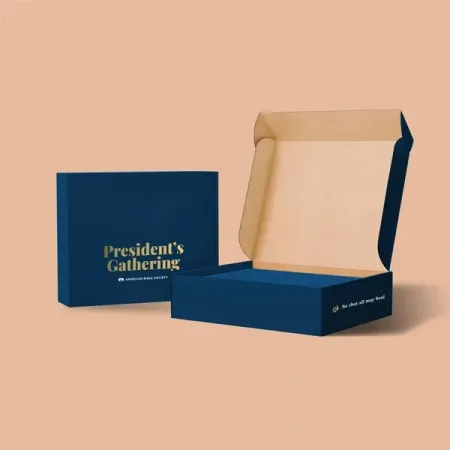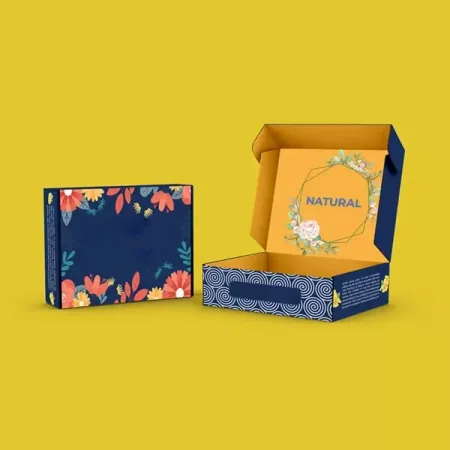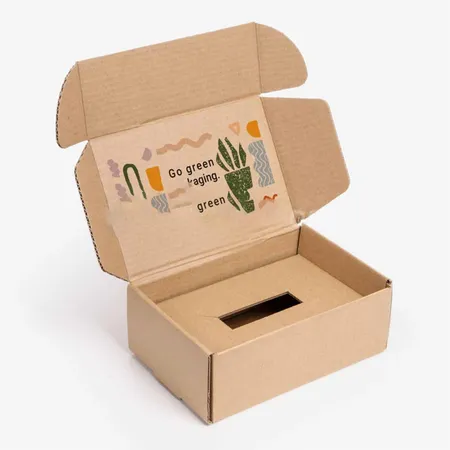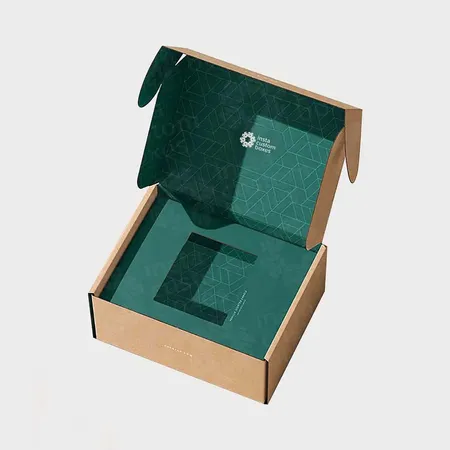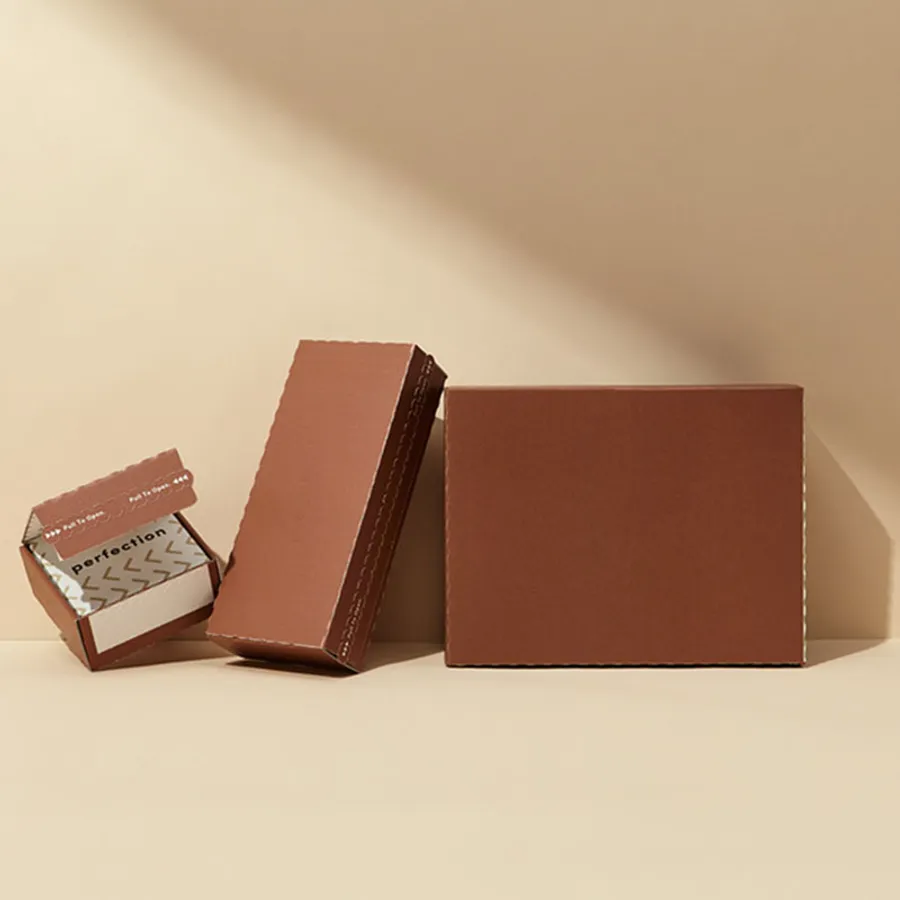
Three teams that order marketing kits
PR and brand teams send product seeding kits to editors and journalists before a launch. The box has to stand out on a desk covered in other parcels.
Influencer teams send drops to creators who will film the opening. Every panel, flap and insert may end up on camera.
HR and people teams send onboarding kits to new hires, often to home addresses on their first week. The box sets the tone for the job.
Event and partnership teams also use them for sponsor packs and speaker gifts. The brief is the same: make the first impression on purpose.
Agencies that run kits for several clients order too. They often need a neutral box that each client's insert card can personalize.
What usually goes inside
Contents vary by team, but the same handful of items appear again and again. Knowing them early helps us size the insert.
A typical kit has one hero item and three to six supporting pieces. The hero should sit in the center of the insert.
Send the contents list even if it is still a draft. A rough list lets us draw the insert early, and we adjust it as items are confirmed.
Tell us which items are fragile or have an odd shape. A candle, a glass bottle or a plush toy each changes the insert plan.
Leave a little spare room in the plan. Last-minute additions such as a sticker sheet are common, and a small empty slot absorbs them.
- The hero product or a launch sample.
- A printed letter, press release or welcome note.
- Branded merchandise such as a mug, tote or notebook.
- Stickers, pins or a lanyard for new staff.
- A QR card linking to a video, press page or onboarding portal.
- Small treats or a gift card in a slot.
Kit types and the box that suits each
The kit's purpose decides the build more than its contents. A creator kit and a new hire kit need very different reveals.
Use this table as a starting point, then tell us your contents list. We confirm board and insert on your quote.
Sales prospect kits are the smallest of the group. They often hold one sample and a short brochure, so a slim box keeps postage down.
| Kit type | Who opens it | Build we often suggest |
|---|---|---|
| Press seeding kit | Editors and journalists | Corrugated mailer, press letter in a lid slot |
| Influencer drop | Creators on camera | Soft-touch print, full inside print, layered insert |
| New hire welcome kit | Staff at home | Kraft or white mailer, slots for merch and laptop stickers |
| Sponsor or speaker pack | Partners at events | Rigid mailer, foil logo, card holder |
| Sales prospect kit | Buyers at target accounts | Slim mailer, sample cavity, brochure slot |
Designing for the camera
Creators film from above, usually in natural light. Busy patterns and fine text disappear, while big color blocks and a bold logo read clearly.
The inside of the lid is prime space. A short line printed there is often the first thing seen when the box opens on screen.
Glossy lamination can flare under ring lights. Matte or soft-touch looks better on video and hides fingerprints from handling.
Keep the outer print simple if the kit ships without an outer carton. Our step-by-step unboxing experience guide covers how each layer is revealed.
Think about the box after the video ends. A sturdy kit box that creators reuse for storage keeps your logo in their background shots.
Planning backward from your launch date
Kits fail most often on timing, not on design. A box that lands after the embargo lifts is a wasted send.
Work back from the day the kit must be in hand. This sequence keeps every step on the calendar.
Build in a buffer of a few days at the end. Couriers slow down near holidays, and a kit cannot arrive late twice.
- Fix the date recipients must receive the kit.
- Allow time for your own team to pack and post the kits.
- Subtract 2–3 business days for our delivery to you.
- Subtract 4–6 business days for production.
- Leave time for proof rounds before that.
- Send artwork and a final contents list on or before the resulting date.
One box design or one per campaign
Some teams print a fresh design for every launch. That gives the strongest reveal but means a new proof and print run each time.
Others print one branded kit box and change only the inside. A new printed lid card, sticker or insert makes each send feel specific.
Onboarding kits almost always use the second route. The welcome message stays the same, and only the merch changes with the season.
To make one box cover many sends, look at our branded mailer boxes for everyday use.
Inserts that keep a kit in order
A kit only works if items arrive in the order you planned. Loose items slide to one end and spoil the layout.
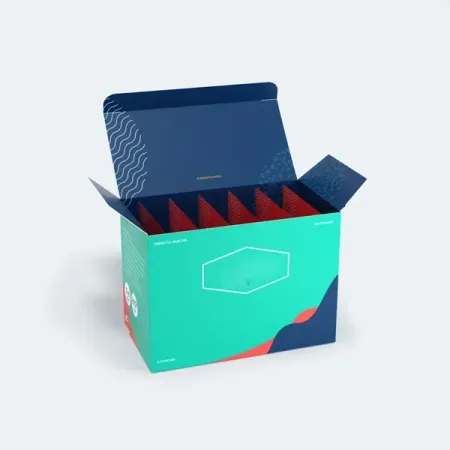
Layered inserts let the letter sit on top, the hero item below and smaller pieces in a lower tray. Each lift reveals the next layer.
Slots keep cards and letters flat, so they do not crease against heavier items. A slot in the lid is the cleanest spot for a note.
Our mailer boxes with fitted inserts page explains cavities, trays and pull tabs in more detail.
For onboarding kits, place the welcome letter on top. A new hire should read the note before they find the laptop stickers.
Packing many kits for many addresses
Marketing kits go to individuals, not a warehouse. Each box gets its own label, and sometimes its own name card.
Leave a clear area on the outside for the shipping label. A label stuck across your art looks careless in an opening video.
If cards carry each recipient's name, pack them last and check them against the label. Mismatched names are the most common kit error.
A self seal or tear strip closure speeds up packing day. Our self seal mailing boxes with peel strips close without tape.
Packing day goes faster with a printed packing sheet. Tape a photo of the approved insert layout above each packing station.
Count kits against labels before the courier collects them. A short count is easier to fix at your desk than on the recipient's doorstep.
Getting the board right for mixed contents
Kits often mix a heavy mug with light paper items. The board must protect the heavy piece without making the whole box bulky.
E-flute corrugated suits most kits. B-flute is safer when the kit includes glass, ceramics or a bottle.
A rigid mailer suits sponsor packs and executive gifts. It costs more to post but feels like a keepsake.
Prices start from $0.30 per unit, with the build and finish priced on your quote. Request one on our marketing kit quote page.
Weigh one fully packed kit before you book postage. Mixed kits are often heavier than teams expect.
Proofing a kit with your stakeholders
Kits often need sign-off from brand, legal and the client. Our free digital proof can be shared with everyone before approval.
Revisions are unlimited. Collect all comments into one reply, which keeps proof rounds short and dates intact.
Check the proof for embargo dates, product names and any claims in the letter. Changes after printing are not possible.
Ask a colleague who has not seen the kit to read the proof cold. Fresh eyes catch spelling and date errors fastest.
Answers on proof rounds, file types and timing are collected on our mailer box questions and answers page.
Delivery, reprints and contact
We ship finished kit boxes flat and free to the US, UK, Canada and Australia. Transit takes 2–3 business days after production.
Spotted a misprint or a crushed carton? Flag it within 10 days for a reprint or refund under our box return and reprint policy.
For a launch on a tight date, call or WhatsApp (503) 461-4788. You can also email info@shopmailerboxes.com with your contents list.