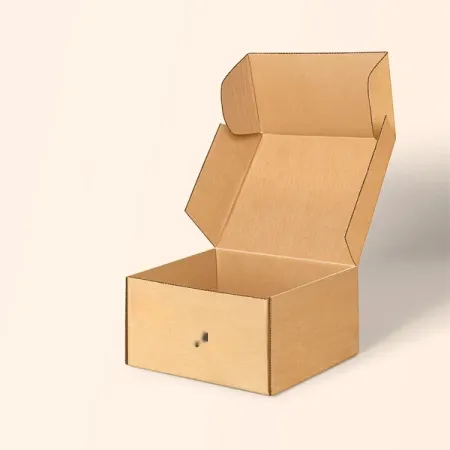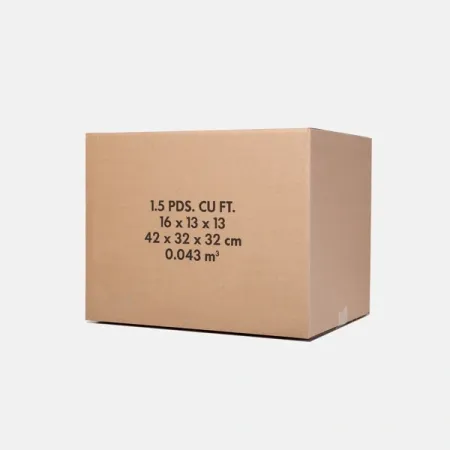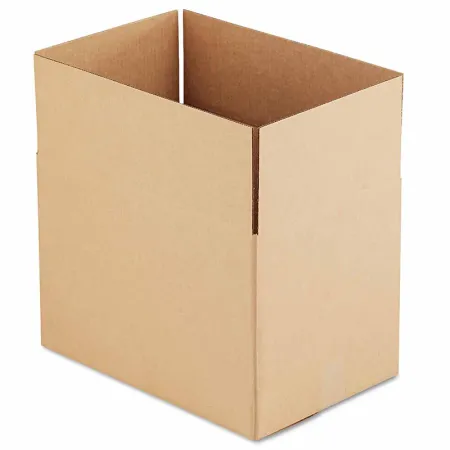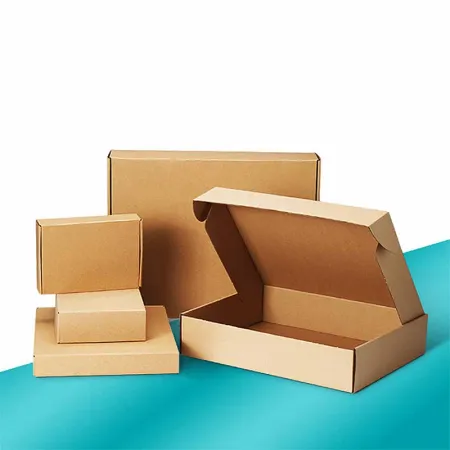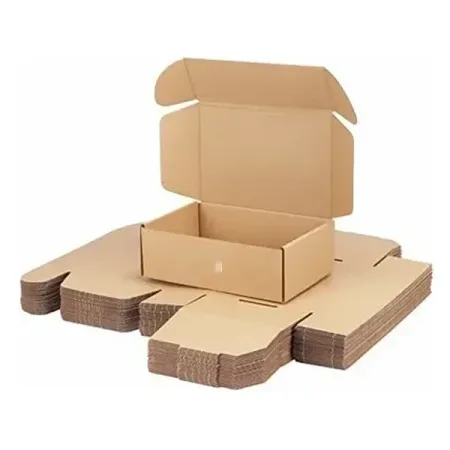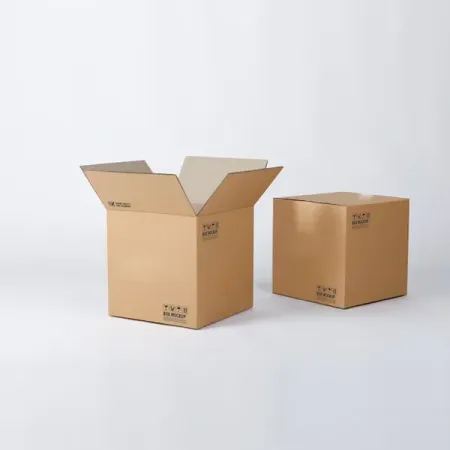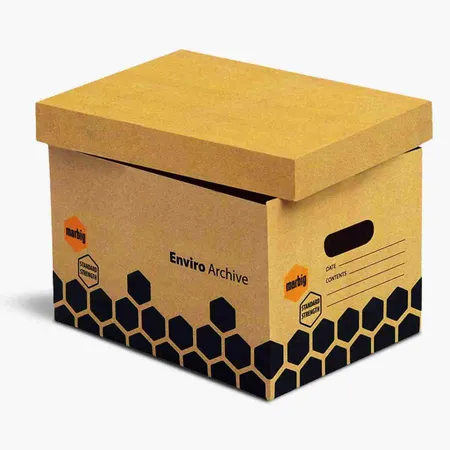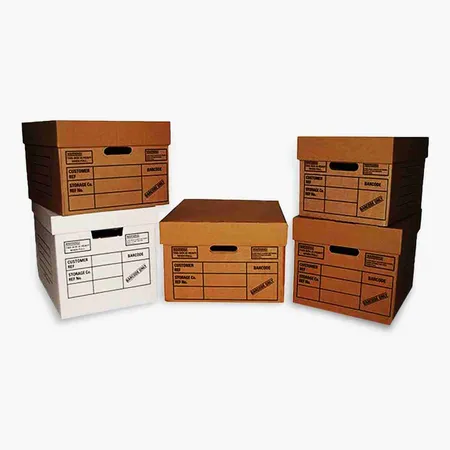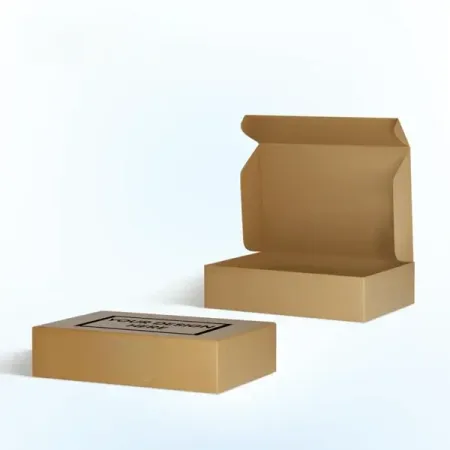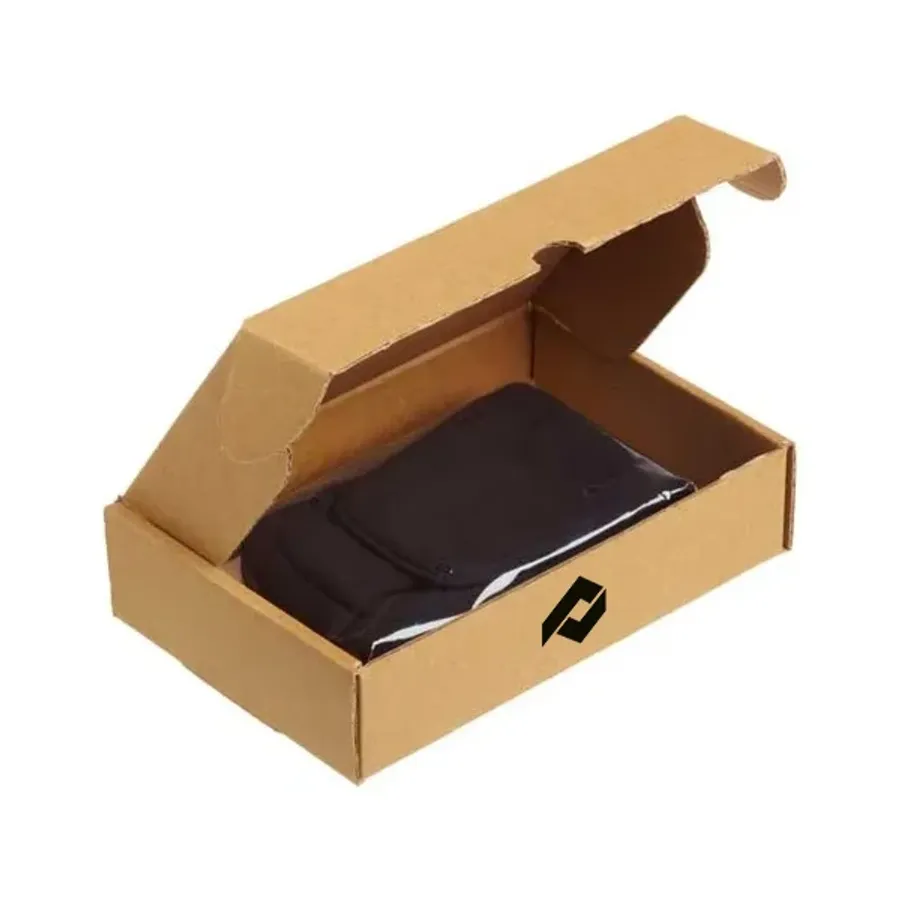
Businesses that rely on corrugated cartons
Brands shipping heavy or dense goods use these every day. Think books, kitchenware, hardware, bottled skincare in sets and home goods.
Wholesalers sending cases to shops need them for multi-unit orders. Brands that use a fulfillment warehouse often need one or two standard carton sizes the team can pack fast.
Makers shipping fragile pieces use them for box-in-box packing. The inner box holds the item, and the outer carton adds a crush zone around it.
Subscription brands sometimes need them for quarterly or bulk shipments. A season of boxes sent to one address travels better in a single sturdy carton.
- Ecommerce stores shipping orders above a few pounds
- Wholesale and retail restock shipments
- Fulfillment centers packing standard sizes
- Makers of ceramics, glass and framed pieces
- Brands sending several retail boxes in one parcel
Choosing flute and facing
For most shipping cartons, B-flute at 3 mm is the right starting point. It handles stacking pressure in trucks and depots better than thinner board.
E-flute at 1.5 mm makes sense only for light goods. It saves space when the box is stored flat, but it gives less cushion against a drop.
Kraft facing hides scuffs and suits warehouse use. White facing costs a little more and shows printed artwork more cleanly. Our guide comparing board grades explains flute heights in more depth.
Ask about facing early if retail partners will see the carton. Stores receiving your stock notice a clean white branded case on the dock.
| Load | Flute | Facing | Closing method |
|---|---|---|---|
| Under a few pounds, not fragile | E-flute | Kraft | Self seal strip |
| Books, bottles, kitchenware | B-flute | Kraft | Taped flaps |
| Fragile item in an inner box | B-flute | Kraft or white | Tuck top and tape |
| Long items like rolled posters | B-flute | Kraft | Side loading tab lock |
| Branded outer for retail partners | B-flute | White | Tape with tear strip |
How much printing a shipping box needs
Many shipping cartons carry only a one-color logo on kraft. That keeps cost low and still tells a recipient who the parcel is from.
Some brands print fully because the shipping carton is the only box the customer sees. Others keep the outside plain on purpose so the contents are not obvious on a doorstep.
Useful extras include handling marks, a return address panel and a clear label zone. Aqueous coating helps printed cartons stay readable after rubbing in transit.
Keep printed detail on the long sides and lid edge. The base and the label area get the most wear, so we leave them simple.
Ask for a plain sample panel in the proof if you are undecided. Seeing the logo at real size helps you choose between one color and full print.
Closing and opening a shipping carton
Taped flaps are the strongest closure for heavy goods. The tape carries the load across the top seam.
A tuck top works for mid-weight orders and can still be taped for transit. A side loading tab lock suits long, narrow items that slide in from one end.
A self seal strip speeds packing on high-volume days. A tear strip lets the receiver open the carton without cutting into the goods, which also makes returns easier.
Pick the closure based on your heaviest common order. A method that holds that weight will cover lighter parcels without fuss.
Dividers and pads inside the carton
Multi-unit shipments need partitions. Corrugated dividers keep bottles, jars or retail boxes from knocking into each other.
Flat corrugated pads at the top and bottom add a crush zone. They help when a carton is likely to sit under heavier parcels. For candles and other wax goods, the setup on our candle shipping carton page is a useful reference.
Dividers also make unpacking easy for a store receiving stock. Each unit lifts out cleanly, and the carton can be reused for returns.
Getting your shipping cartons made
The steps are short, and the free proof shows every flap and divider before anything is cut. When the details are ready, send us your carton quote request with sizes and weights.
Weights matter as much as sizes here. A packed weight for each order type tells us which flute and closure will hold.
- List each item or inner box with its size and packed weight.
- Choose flute, facing and how you want the box to close.
- Share a logo and any marks you need printed, or ask for a plain carton.
- Check the free digital proof and request changes until it is right.
- Production runs 4 to 6 business days after you approve.
- Cartons ship flat, free to the US, UK, Canada and Australia, with 2 to 3 business days in transit.
Common shipping box errors
These cause most of the damage claims sellers tell us about. Each one is avoidable at the quote stage.
We flag any of these we spot on the proof. Fixing them costs nothing at that stage and saves claims later.
- One giant carton size used for every order, so small items rattle
- E-flute chosen for heavy goods to save a little on board
- No inner padding when shipping a fragile item box-in-box
- Bottles packed side by side with no divider
- Logo printed where the shipping label always lands
Storage and handling in your stockroom
Flat cartons store in tight bundles. Keep them off bare concrete and away from damp walls, because moist board loses strength.
Fold only what you will use in a day or two. A carton left folded and loaded on a low shelf can bow before it ever ships.
If you run several sizes, mark each bundle clearly. A quick size code on a side panel helps packers grab the right box fast.
Rotate stock so older bundles are used first. Board left for many months in a humid room can weaken even if it looks fine.
Price, reorders and damage cover
Shipping cartons are priced from $0.30 each. Size, flute, print and quantity drive the exact cost, which your quote confirms.
Plain kraft cartons with a one-color mark sit at the lower end of the range. Full color on white facing costs more but works as a brand piece too.
Your carton specs stay on record for repeat runs. If any boxes arrive misprinted or crushed, our reprint and refund policy covers reports made within 10 days.