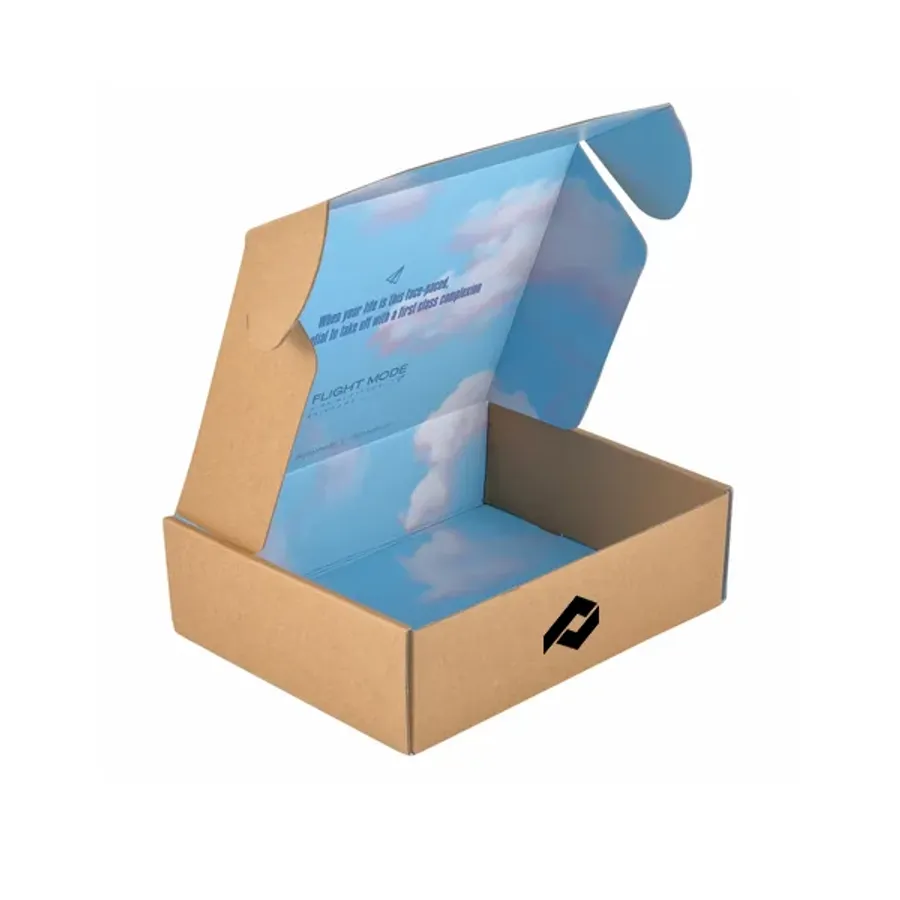
The packing bench problem these boxes solve
A store that sells more than one product rarely ships the same parcel twice. One customer buys a single item, the next buys three, and a third buys a gift bundle.
Many sellers answer that with one large box for everything. Small orders then rattle, use extra filler and cost more to post than they should.
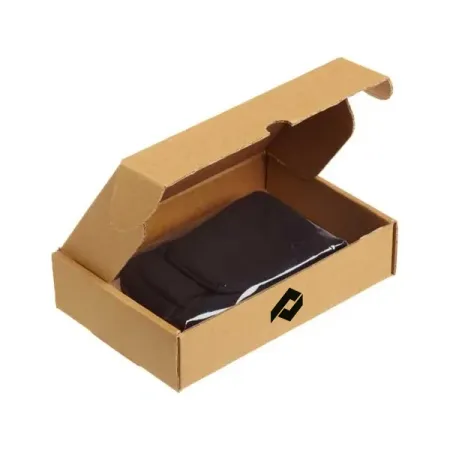
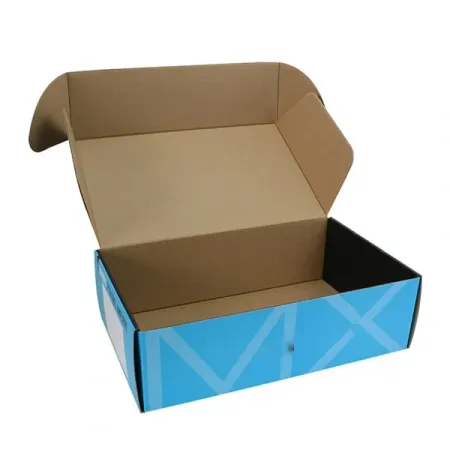
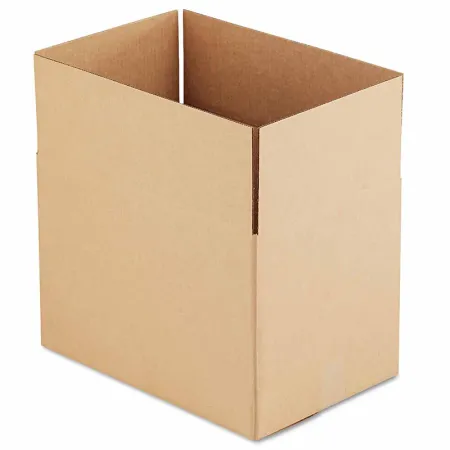
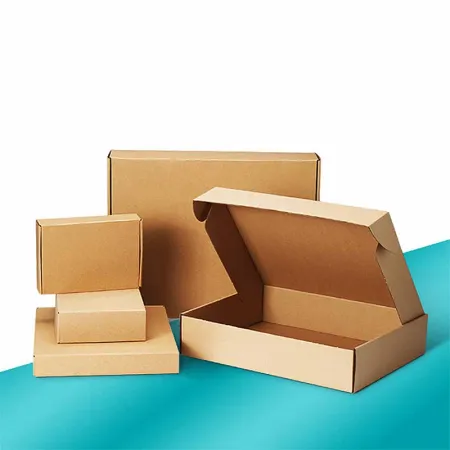
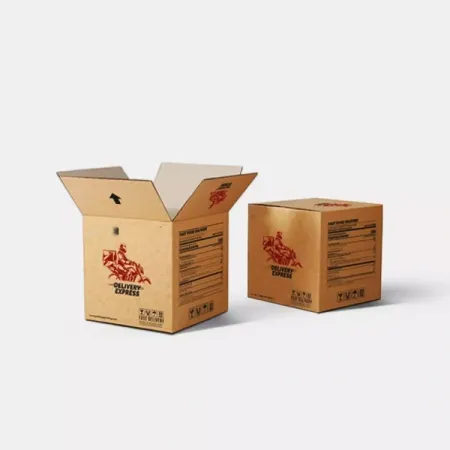
Product shipping boxes fix this with a planned set of sizes. Each size covers a band of orders, and your packers always reach for the right one.
The set also speeds up packing. Nobody has to cut down a big box or hunt for something that nearly fits while orders pile up.
Stores that ship a changing mix of products
These boxes suit online shops with a catalog rather than one hero item. Home goods, kitchen tools, pet supplies, hobby kits and personal care ranges all fit the pattern.
They also suit brands that sell in sets. A starter kit, a refill pack and a single item may all leave the same shelf on the same day.
The common thread is variety. If your parcels change shape from one order to the next, a planned set of sizes will serve you better than one box.
- Online shops with ten or more products in stock
- Brands selling single items, refills and bundles
- Sellers moving from stock brown boxes to printed ones
- Teams packing many orders a day on one bench
- Shops that send wholesale cases to retailers now and then
Why box size drives your postage
Carriers price many parcels by size as well as weight. A light product in a big box can cost more to send than a heavier one in a snug box.
Trimming even a little from each side adds up across hundreds of orders. It also means less filler to buy and less for the customer to throw away.
Check your carrier's size bands before fixing outside dimensions. A box that sits just under a band edge can save money on every label.
Our guide to choosing box sizes explains inside and outside measurements so your numbers come out right the first time.
Picking board for mixed loads
B-flute at 3 mm is the safe choice for multi-item orders and anything over a few pounds. It takes corner knocks and stacking in a carrier truck.
E-flute at 1.5 mm suits your smallest box for single light items. It is thinner, folds tighter and prints crisper.
White liner shows color better than kraft. Kraft hides scuffs and suits a simple dark logo.
Many stores use E-flute for the small size and B-flute for the rest. The corrugated shipping boxes for heavy loads page goes deeper on flute choice.
How much print a product shipper needs
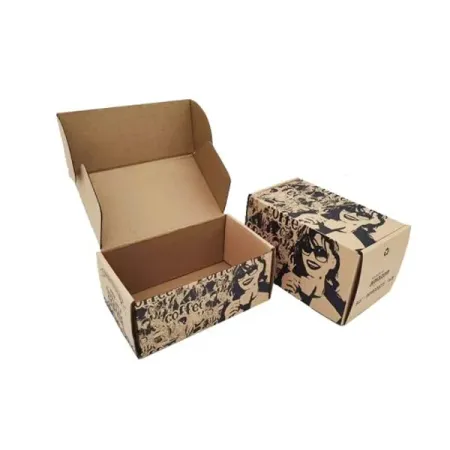
A shipping box spends its life on conveyors and porches. A clear one-color logo on kraft often does the job and keeps the look consistent across all sizes.
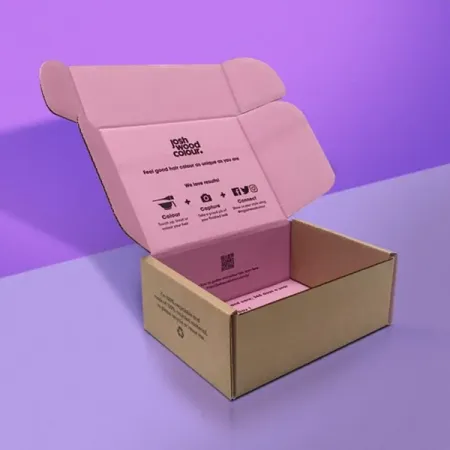
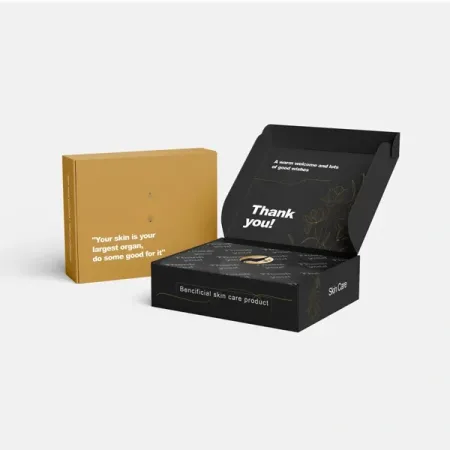
Some stores print the outside plain and put the brand inside. The parcel stays low-key on the doorstep, and the customer sees the color only when they open it.
Print also helps your own team. Different colored bands on each size, or the size printed on a side panel, cut down on packing mistakes.
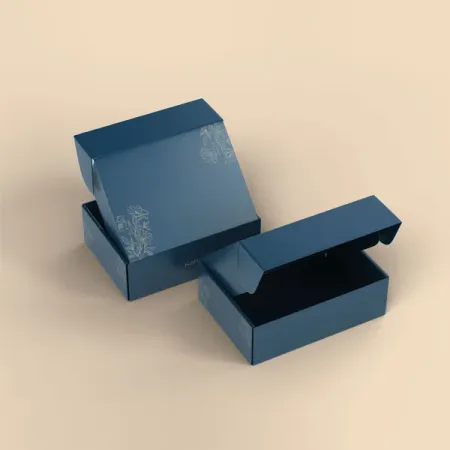
If you want a full gift-style reveal on every order, a printed mailer may suit better. Compare with mailer boxes sized to one product before you decide.
Keeping several items apart in one box
Multi-item orders are where damage happens. Two jars side by side will knock together on every bump unless something sits between them.
Corrugated pads, simple dividers and folded paperboard inserts all help. They cost little and save the time spent handling breakage claims.
Place the heaviest item at the bottom and lighter ones on top. That keeps weight off fragile pieces when parcels get stacked.
If a bundle always ships the same way, a fitted insert makes packing faster too. Packers drop each item into its slot instead of building a nest of filler.
Tell us which items ship together most often. We can suggest a pad or divider layout and show it on the proof.
Planning stock across several sizes
A size set means several piles of flat boxes. Order quantities in proportion to how often each size ships, or one size will run out first.
Your order history gives you that ratio. If the middle size covers half your orders, it should take about half of the run.
Mark each pile clearly on the shelf. A small size code printed on an inside flap helps packers grab the right box without measuring.
Before a big sale, ask our packaging team for a reorder check so the busiest size does not run dry.
- Store flat boxes dry and off the floor
- Keep each size in its own labeled stack
- Reorder the busiest size first
- Hold a small reserve before a sale or holiday
Getting your product shipping boxes quoted
Send your size set, the weight range for each box and your logo through the product shipping box quote form. Every size gets its own line in the quote, with unit pricing that starts from $0.30.
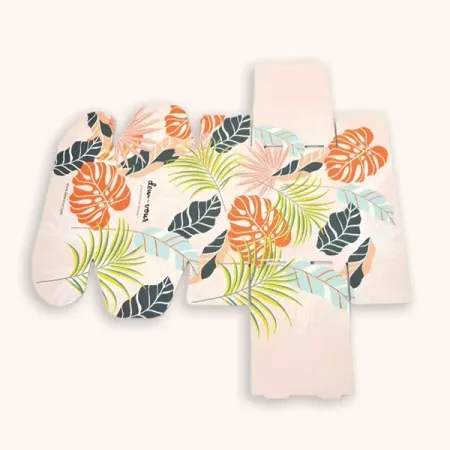
We return a digital proof for each size with the dieline and print placement. Ask for as many changes as you need before anything goes to press.
Not sure about a size yet? Send the items that ship together and we will suggest inside measurements for you to check.
Production time, delivery and returns
A multi-size order runs together once every proof is signed off. Expect 4 to 6 business days on the press and folder, then 2 to 3 business days with the carrier.
Delivery of the full set to the US, UK, Canada and Australia is on us. If any size turns up misprinted or crushed, the reprint and refund policy covers reports made within 10 days.