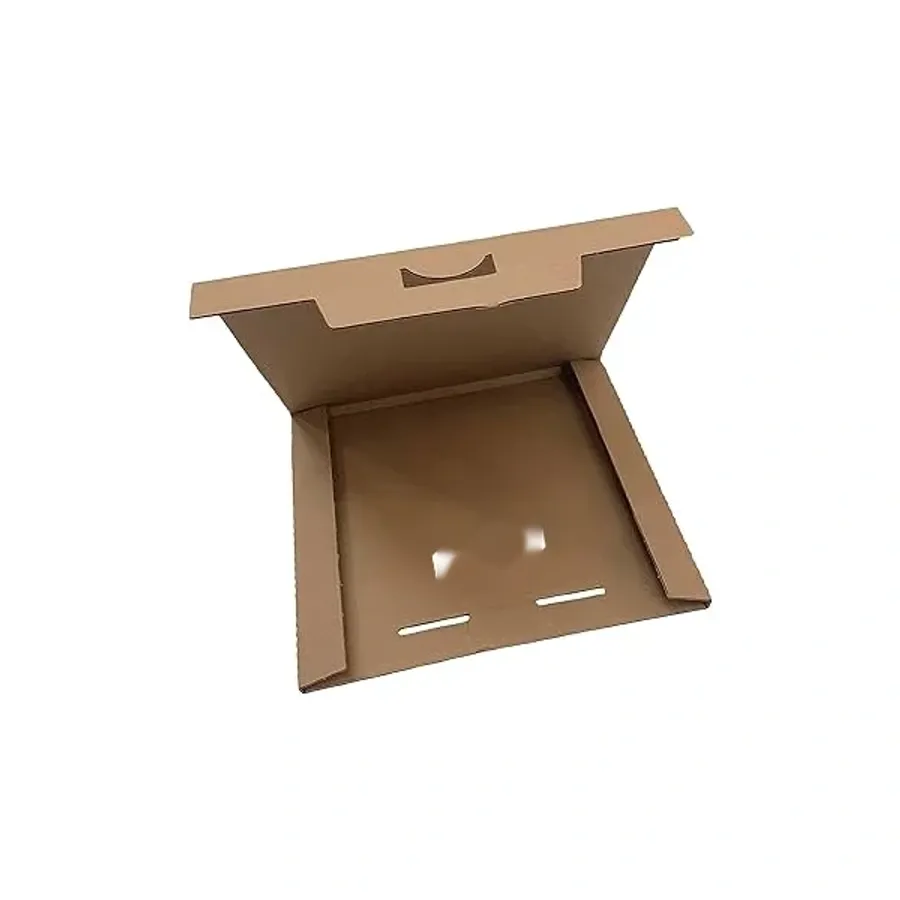
Labels, shops and artists who ship records
Independent record labels are our most common vinyl customers. They ship new pressings direct to fans from a webstore or a crowdfunding campaign.
Used record shops ship rare pressings to collectors, where one dinged corner can turn a happy buyer into a refund request.
Bands and solo artists order smaller runs for tour merch tables and online preorders. A printed mailer turns the parcel into a piece of the release.
Turntable accessory sellers order them too, for slipmats, cleaning kits and record sleeves. Those items share the same flat, square footprint.
Record clubs and subscription services also send one or two LPs a month. If you also ship CDs, cassettes or books, our custom media mailer boxes are sized for those smaller formats.
Why corners get damaged and how to stop it
Most record damage happens at the corners. When a parcel is dropped on an edge, the jacket corner takes the full hit.
A box that is too big lets the record slide and slam into the walls. A box that fits closely spreads the blow across the whole wall.
We add corrugated corner fillers or flat pads above and below the record. They act as crumple zones so the jacket corner stays sharp.
B-flute corrugated is our usual choice for single LPs going to collectors. Its thicker flutes resist bending far better than paperboard.
Heavier box sets travel better in a dedicated carton. Our heavy duty corrugated shipping boxes handle multi-disc sets and bulk shop orders.
Keeping the disc out of the jacket seam
A record left inside its jacket can split the seam in transit. The disc slides toward the open edge and pushes through the spine.
Many labels and shops ship the disc in its inner sleeve, placed behind the jacket rather than inside it. The box holds both flat against each other.
This is a packing choice, and it is up to you. If you prefer to ship sealed records, a close-fitting box matters even more.
Some sellers print a short note inside the lid explaining that the disc travels outside the jacket. It saves you emails from confused buyers.
A thin paperboard pad between disc and jacket stops the two from rubbing. It also keeps the ring wear off the jacket print.
Styles that work for flat records
Records are flat, wide and fairly heavy for their size. That shape suits a few mailer styles better than others.
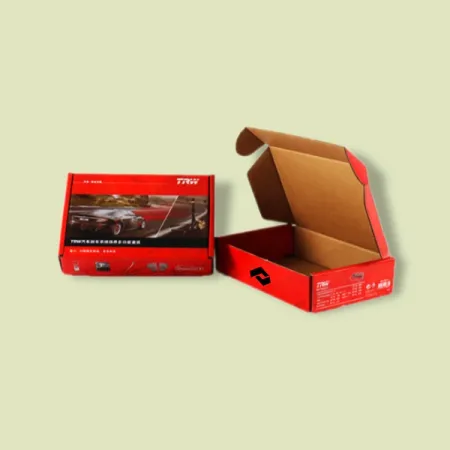
A roll end tuck front mailer gives double side walls and a lid that tucks in firmly. It is the strongest everyday choice for one or two LPs.
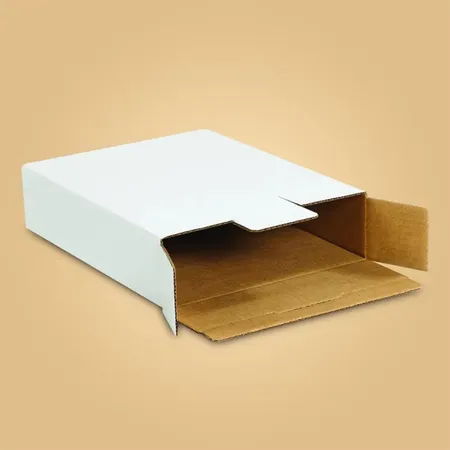
A side loading tab lock mailer opens from the end, so the record slides in rather than dropping in. It packs fast on a shop counter.
A self seal strip with a tear strip speeds up both packing and opening. Collectors appreciate not needing a blade near their records.
Each style below can be printed inside and out. Our roll end mailer box page shows that fold in detail.
- Roll end tuck front: strong, reusable, good for single and double LPs.
- Side loading tab lock: fast to pack, good for high-volume shop orders.
- Self seal with tear strip: no tape, easy opening for the buyer.
- Tuck top: good for 7-inch singles or bundles of small merch.
Printing a mailer that matches the release
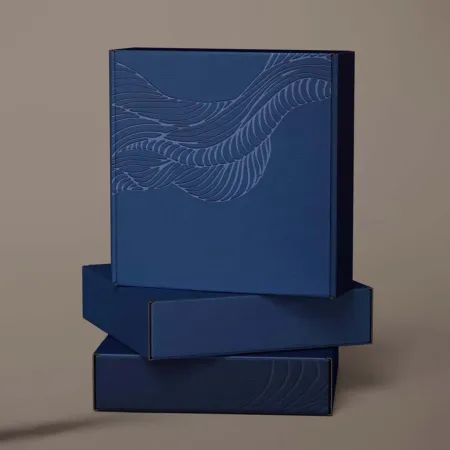
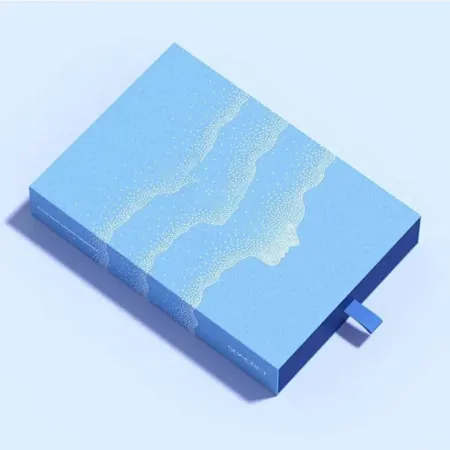
A record already has strong artwork. Many labels print the album art, or a detail from it, across the mailer lid.
Others prefer a plain kraft outside with a single-color label logo. That suits labels with a long catalog that share one box across releases.
Inside printing gives you room for a tracklist, a thank-you from the artist or a download code area. Ask us to keep that area clear of folds.
White ink on kraft works well for a one-color label logo. It gives a vintage record shop feel without full color print.
Matte lamination suits moody, dark album art. Gloss suits bright pop colors. Our guide to designing a mailer box covers setting up art files.
Heat, stacking and storing records in boxes
Vinyl warps in heat. The box cannot cool the record, but a closed corrugated mailer does slow down how fast direct sun heats the disc.
Store packed records flat or upright, never stacked under heavy cartons. Pressure plus warmth is what bends a record in a warehouse.
Printing "keep flat" or "store away from heat" on the outside gives carriers and buyers a gentle hint. You can add any handling text you like to the artwork.
Empty flat mailers can be stored in any dry room. Keep them off concrete floors, where damp can soften the board.
Summer shipments to hot regions are a known risk for every record seller. Some labels pause shipping during heat waves rather than gamble on long transit.
Steps to set up a record mailer order
Here is the order we follow with labels and record shops.
Step three changes the box depth slightly, so settle it early. Ask us if you want both options proofed side by side.
- List every format you ship, from 7-inch singles to box sets.
- Measure the thickest jacket in each format, including shrink wrap.
- Decide whether discs travel inside or outside the jacket.
- Choose a style and board, and whether you want corner pads.
- Receive a dieline sized for your records and pads.
- Place your label art, release art or plain logo.
- Approve the free digital proof and start production.
Release days and preorder rushes
Record releases ship in waves. A preorder can mean hundreds of parcels packed in a single weekend.
Order your mailers well before the pressing plant delivers. You do not want finished records waiting on boxes.
One standard LP mailer across all releases keeps stock simple. A printed sticker or insert card can then carry each release's art.
Fold a stack of mailers before release day. Packing then becomes a fast loop of record, pads, lid and label.
For special editions, a fully printed mailer becomes part of the collectible. Our tips on planning the unboxing moment help with that layer.
Getting record mailers made and delivered
We help with the design for free and send a digital proof before printing. Ask for as many revisions as you need.
Production starts on approval and takes 4–6 business days. Boxes then reach you in 2–3 business days, shipped free to the US, UK, Canada and Australia.
Damage or a misprint reported within 10 days is covered by our return and reprint policy. Send your formats and sizes, and we will quote each one.