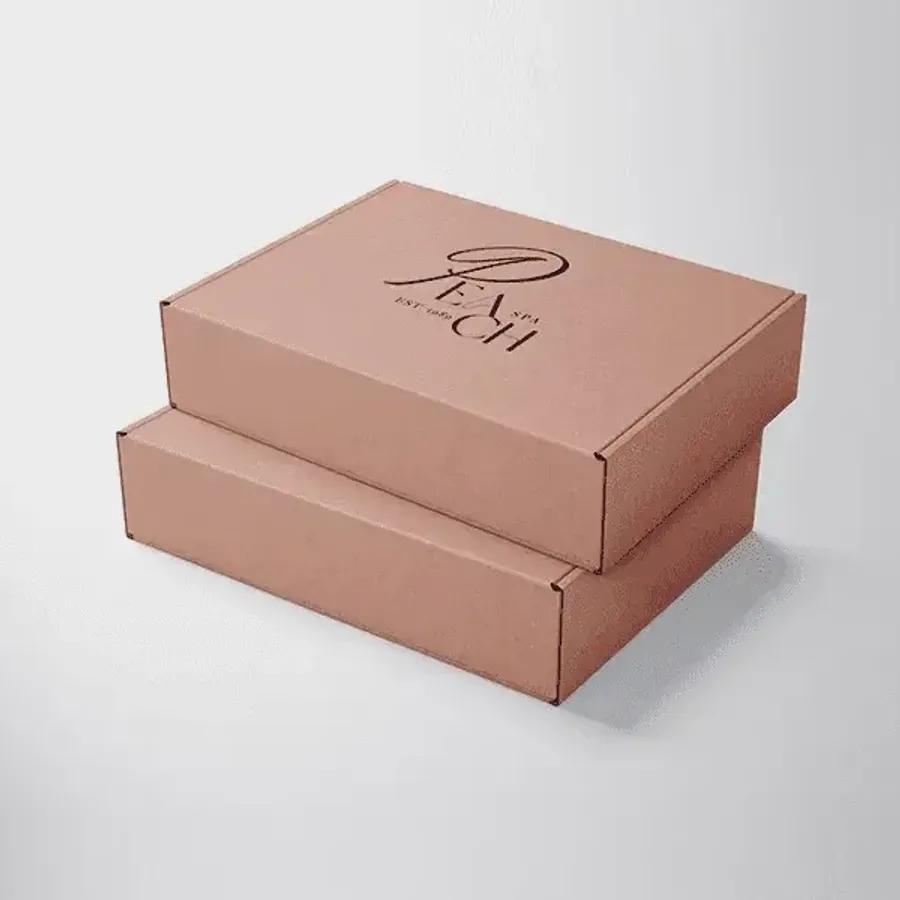
Brands that choose a pressed logo
Debossing suits brands that want to look quiet and confident. Skincare lines, jewelers, candle makers and stationery studios order it most.
It works well when you do not want a loud printed logo. The mark is there, but it shows itself through shadow and touch rather than color.
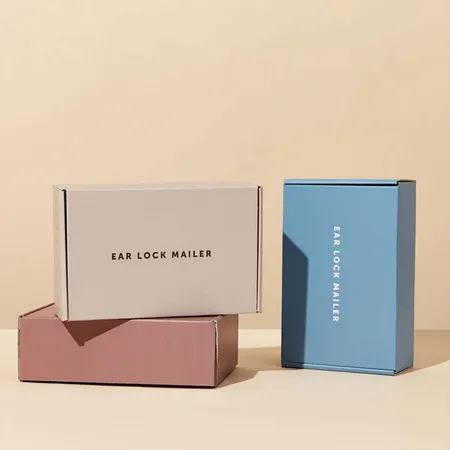
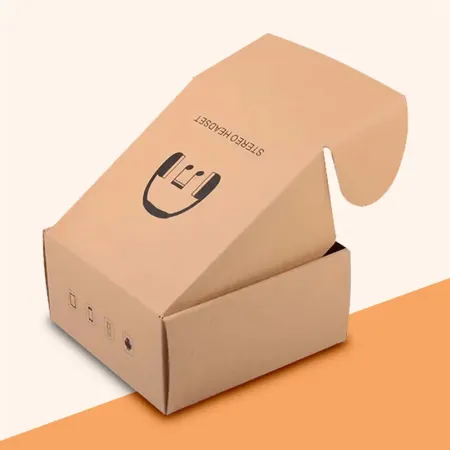
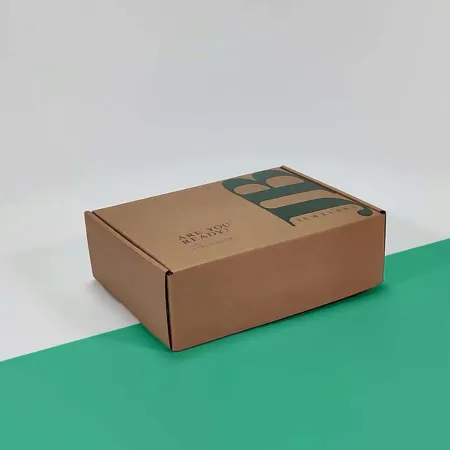
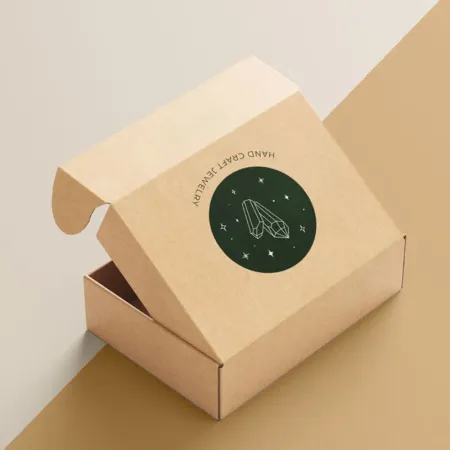
Debossing also appeals to sellers who use plain boxes. A blind deboss on a natural brown kraft mailer box brands the lid without adding any ink at all.
Subscription brands like it for a box that gets kept. A pressed lid feels too nice to throw away, so it often ends up storing jewelry, cards or keepsakes.
What debossing actually does to the board
A metal plate carrying your artwork presses into the board under heat and pressure. The board fibers compress, and the shape stays sunken below the surface.
Embossing is the opposite. It pushes the design up from behind so it stands proud of the lid.
The difference matters in shipping. A raised emboss can be flattened when boxes are stacked, while a deboss sits below the surface and is protected by it.
Both effects need a custom plate, and both can be combined with print. Our overview of printing and finishing options compares them side by side with foil and spot UV.
Blind, foil or ink filled
You have three ways to finish a debossed mark. Each one changes how visible the logo is from across a room.
Blind debossing is the most understated. Foil filling adds shine inside the pressed area, and ink filling adds a flat color.
Foil filled marks need tight registration between the foil and the press. We set both from the same artwork so the metallic edge lines up with the sunken edge.
| Type | How it looks | Good for |
|---|---|---|
| Blind deboss | Shadow only, no color | Minimal and kraft brands |
| Foil filled deboss | Metallic logo set into the lid | Jewelry, gifts, launches |
| Ink filled deboss | Colored logo below the surface | Strong brand colors |
| Deboss plus spot UV nearby | Matte sunken mark beside gloss | Patterned lids |
Picking a board that takes a deep press
Not every board holds a deboss equally well. The thicker and denser the material, the cleaner the edge of the mark.
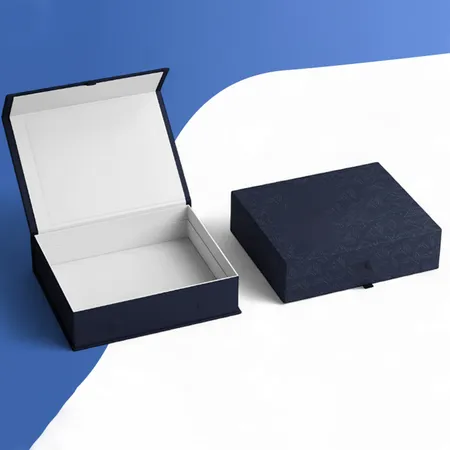
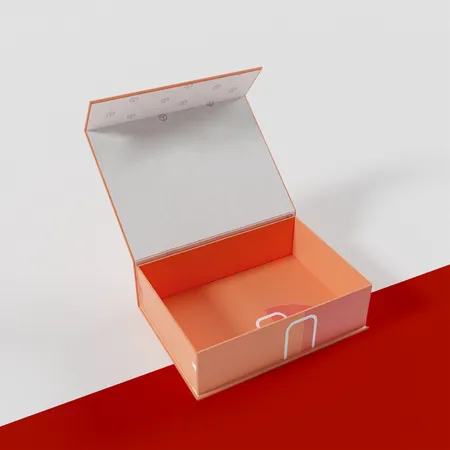
Rigid chipboard wrapped in printed paper gives the deepest, crispest result. That is why most debossed boxes are rigid mailers or heavier paperboard.
Corrugated board has a fluted core, so a press can flatten the flutes instead of shaping a clean edge. E-flute takes a bold, simple deboss, but fine detail is better on paperboard or wrapped rigid packaging mailers.
Tell us what the box will carry and how heavy it is. We will suggest the board that balances strength with a clean, deep mark.
Artwork rules for a clean deboss
Debossing reads best when the shape is simple. Thin strokes and tiny lettering can close up, because the pressed board spreads slightly at the edges.
Send your logo as vector artwork, not a photo or screenshot. We build the plate straight from the vector paths.
Solid shapes, bold wordmarks and simple icons press best. If your logo has a thin outline around a solid shape, we may suggest pressing only the solid part.
- Send a vector file of the logo or mark.
- Remove fine taglines and small text from the pressed area.
- Tell us where on the box the mark should sit.
- Choose blind, foil filled or ink filled.
- Check the plate outline on your proof before approving.
Where to place the mark
The lid top is the classic spot. It is the first surface a customer touches, and light falling across it shows the shadow clearly.
Some brands deboss a small mark on the inside of the lid instead. It becomes a detail found during the reveal, which our guide to planning the unboxing moment explores in depth.
Avoid placing a deboss across a fold or crease line. The press and the fold work against each other and the mark can crack.
A small deboss on the front tuck flap is another option. It is the last thing the customer pulls before the lid lifts, so it frames the opening.
Lamination and deboss together
We laminate the board first, then press the deboss through it. Soft-touch lamination is the favorite pairing because the velvet surface makes the sunken edge feel sharper.
Matte lamination works almost as well and costs less effort to keep clean. Gloss reflects light across the mark, which can make a blind deboss hard to see.
Our collection of colors and finishes shows how different base colors change the shadow. Darker lids usually show a blind deboss more clearly than very pale ones.
Fingerprints show less on matte and soft-touch than on gloss. That keeps a debossed lid looking clean after customers handle it.
Debossing on kraft, white and colored lids
The base color decides how strong the shadow looks. On kraft, a blind deboss shows as a darker brown dip because the compressed fibers catch less light.
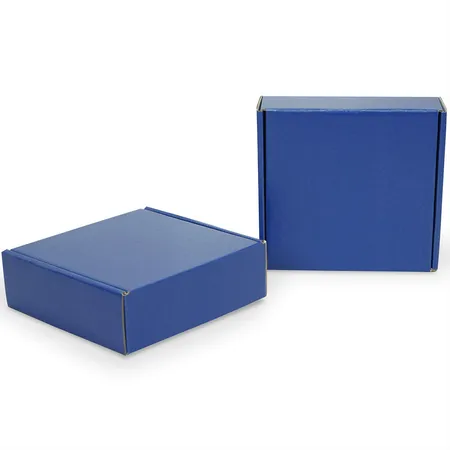
On white paperboard, the mark is subtle and works best under soft-touch. On a solid printed color, especially navy, black or forest green, a blind deboss reads clearly from a short distance.
If you want the logo to stand out more than a shadow allows, foil filling is the usual answer. Our luxury mailer boxes with premium finishes often pair a foil filled deboss with a dark lid.
Ordering mistakes to avoid
Debossing is very forgiving once the plate is right. Most issues come from decisions made before the proof.
Ask us early if you are unsure about any of these. We can usually suggest a fix on the first proof.
A plate is made for one specific artwork. Lock the logo before approving, since any later change means a new plate and a fresh proof.
- A logo with hairline strokes that will not hold an edge
- Pressing on corrugated when the detail needs paperboard
- A blind deboss on gloss white, where the shadow disappears
- Placing the mark too close to a fold line
- Changing the logo after the plate is made
How debossed boxes ship and store
Because the mark is below the surface, debossed boxes hold up well in transit. Stacked mailers press flat against each other without crushing the logo.
Folding mailers ship flat to you, and the deboss survives being folded at the warehouse. Rigid mailers arrive assembled, so they need more shelf space.
Store boxes away from damp. Moisture can soften paperboard, and a softened lid loses the crisp edge around the pressed area.
Shipping details, carriers and tracking are covered on our shipping policy page for orders. Folded mailers reach you in sturdy cartons packed flat.
Getting a quote and proof
Tell us the box size, board, deboss type and quantity. Debossed mailers are priced from $0.30 per unit, and board, size, quantity and finish set the final number.
Your free proof shows the plate outline in place on the box layout. Revisions are unlimited, and you can start a box design with our team if you only have a logo.
After you approve the proof, plates are made and boxes are pressed and printed in 4–6 business days. Your pressed boxes then travel for 2–3 business days, free to the US, UK, Canada and Australia.
If you plan to reorder, keep your approved logo file unchanged. Repeat runs then match the first batch closely.