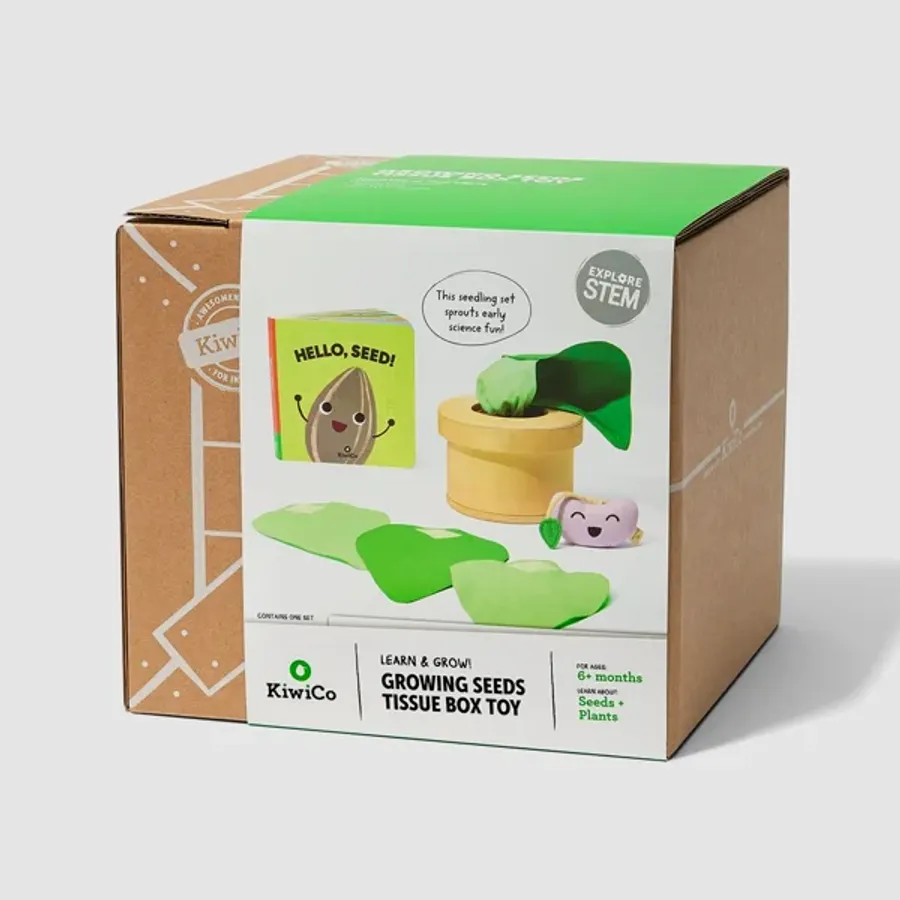
Toy makers and shops that order from us
Most toy orders come from small brands that sell online. Wooden toy workshops, plush makers, puzzle sellers and craft kit brands are regular customers.
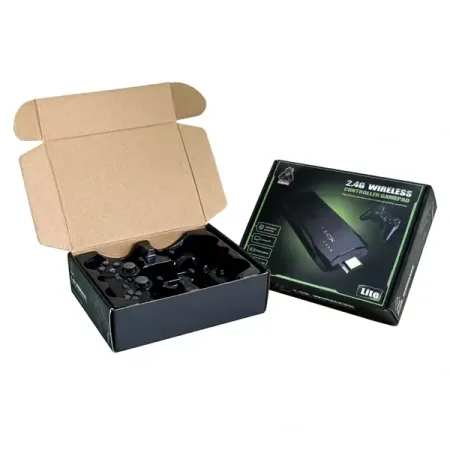
Collectible figure sellers order too. Their buyers keep the box, so the outside matters almost as much as the figure.
Kids subscription brands also use them for a monthly activity box. Selling a card or tabletop game? Our printed boxes for board and card games suit flat game sets better.
What these buyers share is a product with odd shapes and many small parts. A plain stock carton rarely fits any of them well.
Party favor sellers and museum gift shops round out the list. They tend to order small runs in several sizes at once.
Choosing board by the kind of toy
Toys vary more in weight and shape than almost any other product we pack. A felt doll and a wooden train set need very different walls.
The table gives a starting point for common toy types. We confirm the final board once we know your toy's size and weight.
Kraft liner gives a handmade look that suits wooden and natural fiber toys. White liner makes bright plastic toy colors look cleaner in print.
| Toy type | Suggested board | Inside fitting |
|---|---|---|
| Plush and soft toys | E-flute corrugated | None, or a tissue wrap |
| Wooden blocks and trains | B-flute corrugated | Corrugated divider insert |
| Puzzles and craft kits | E-flute corrugated | Paperboard tray for loose parts |
| Collectible figures | B-flute corrugated | Die-cut insert holding the figure |
| Small pocket toys | 18–24 pt paperboard | Paperboard card insert |
How a toy mailer folds and closes
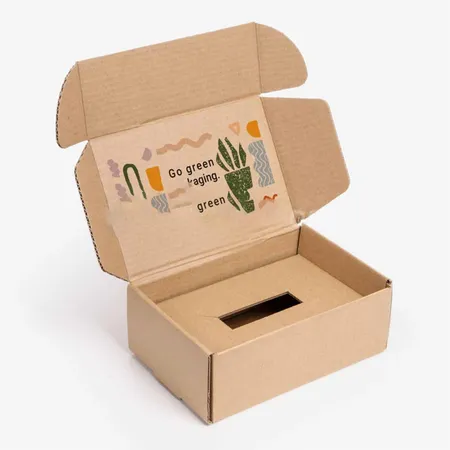
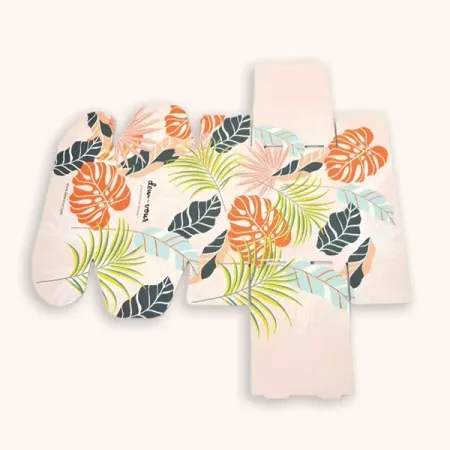
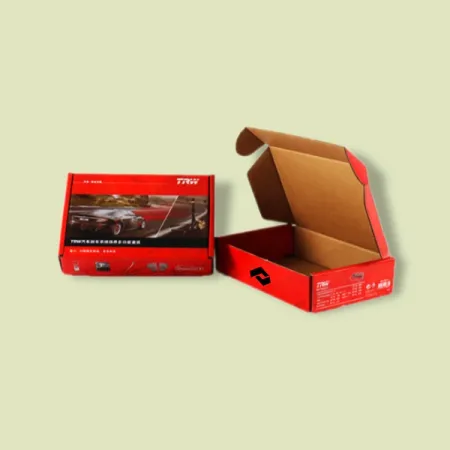
The most common choice is a roll end tuck front mailer. It is one flat sheet that folds into a box with double walls on the sides.
The lid tucks into the front panel and the side flaps lock under it. That gives you a sturdy lid that opens like a treasure chest.
For direct shipping, a self seal strip closes the box without tape. A tear strip then lets the buyer open it in one pull.
Tear strips suit toy orders well. Excited hands do not need scissors or a knife to get inside.
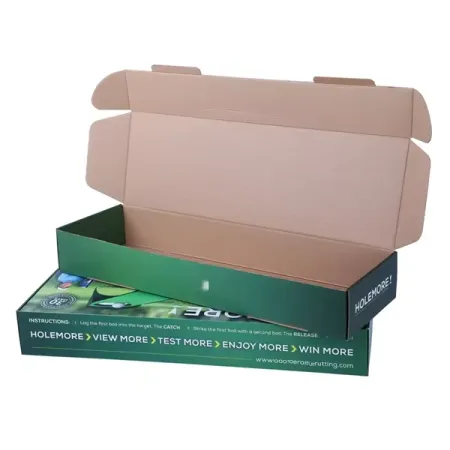
Side loading tab lock mailers are another option for long, flat toys like play mats or kites. The toy slides in from the end instead of dropping in from the top.
Keeping small parts from rattling around
Loose parts are the biggest cause of disappointment in toy orders. A missing wheel or scattered puzzle pieces makes the whole toy feel broken.
A fitted insert solves that. We cut paperboard or corrugated inserts with pockets for each part, so nothing slides during transit.
Inserts also make the toy look organized when the lid opens. Our page on mailer boxes with fitted inserts shows the layouts we can cut.
Send us the toy or exact part sizes before artwork starts. Inserts are planned first, then the box is sized around them.
Print that speaks to kids and parents
A toy box has two audiences. The child wants color and characters, while the parent wants to know what is inside and who made it.
Full color CMYK handles illustrations and characters well. A Pantone ink keeps your logo color the same on every reorder.
We often suggest putting the fun art on the lid and the practical details on a side panel. The parent finds the product name, age range you supply and your website without hunting.
Soft-touch lamination feels pleasant in small hands. Gloss makes bright colors pop and wipes clean of sticky fingerprints more easily.
Bold outlines and big shapes read better from across a room than fine detail. Children notice a large character long before they notice a small logo.
Gift orders and keeping the surprise
Many toys are bought as gifts and shipped to the house where the child lives. A brightly printed outside can give the surprise away on the doorstep.
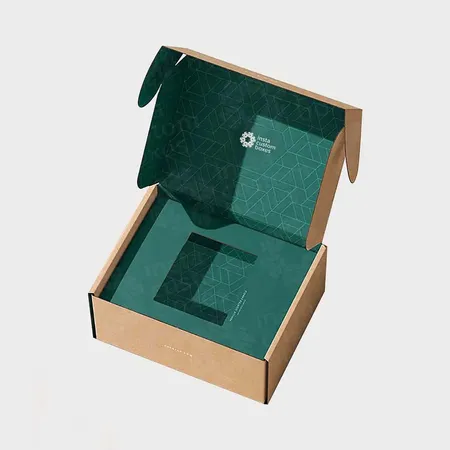
One answer is a plain or lightly branded outside with all the color printed inside. The adult brings it in without a reveal, and the child gets the full show later.
Some sellers keep two versions on hand, one bold and one discreet. Gift buyers then choose at checkout.
For holiday toy sales, our Christmas shipping boxes with festive print are another way to handle that peak.
Steps from toy sample to finished box
Toy boxes go smoothly when the toy is measured before anything is drawn. Here is the order we follow with toy brands.
- Measure the assembled toy and every loose part, or send us a sample.
- Pick a style and board based on weight and how the box will be opened.
- Agree on an insert layout so each piece has its own pocket.
- Receive a dieline sized to the insert and the toy.
- Place your artwork, characters and side panel details on the dieline.
- Check the free digital proof against the real toy and ask for any fixes.
- Approve the proof so production can begin.
Busy seasons and planning reorders
Toy sales cluster around the winter holidays, birthdays in spring and back to school. Running out of boxes in December hurts more than any other month.
Order your holiday run early in autumn. Production takes 4–6 business days after proof approval, but your artwork and insert planning take time before that.
Keep one approved dieline per toy on file with us. A reorder then needs only a quick proof check rather than a fresh design round.
If you sell several toys in one order, a shared outer box size cuts the number of designs you manage. Our guide to choosing mailer box sizes helps you find that common size.
Watch your stock level in October each year. That is the last comfortable point to reorder before the holiday rush on carriers.
Toy box mistakes worth avoiding
These are the problems we catch most often on toy artwork and sizing.
Most of these are caught on the proof, which is why we ask you to check it against the actual toy. A ruler next to the screen helps more than you would think.
Ask us to flag anything that looks risky before you approve. We would rather raise a question than print a box that does not fit.
- Sizing the box to the toy but forgetting the insert depth.
- Placing characters across a fold, where faces get split.
- Using thin type for age ranges or names on a busy background.
- Choosing paperboard for heavy wooden toys that need corrugated walls.
- Printing the reveal on the outside when buyers ship gifts to the child.
- Leaving the inside lid blank, which wastes the best panel on the box.
Turning the lid into part of the toy
Kids often play with the box longer than you expect. Some brands print a game board, a coloring scene or a cut-out character on the inside.
Others print a short thank-you note from the maker. It costs nothing extra in space and makes the order feel personal.
Whatever you choose, keep the inside print clear of the tuck flaps. Those panels fold out of sight when the box closes.
For more ideas on the moment the lid lifts, read our guide to a better unboxing experience before you finalize art.
Proof, printing and delivery to your door
Every toy box starts with free design help and a free digital proof. You can ask for revisions until it is right.
Once you approve, production takes 4–6 business days. Shipping then takes 2–3 business days in transit, free to the US, UK, Canada and Australia.
Include a photo of the toy with your quote request. It helps us suggest the right insert straight away.
Spot a misprint or a crushed carton on arrival? Flag it within 10 days for a reprint or a refund. To get started, send your toy details for a quote with sizes and part counts.