What plain means on our boxes
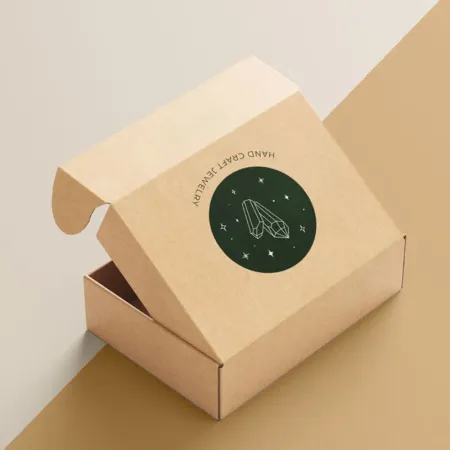
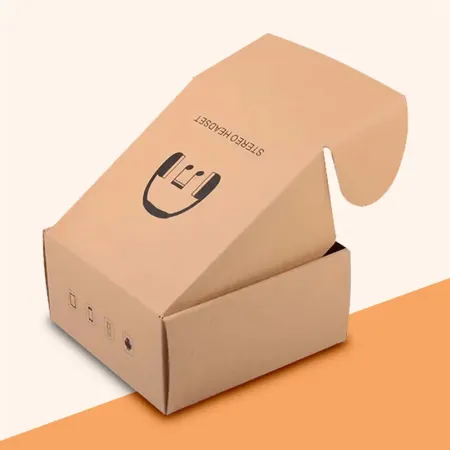
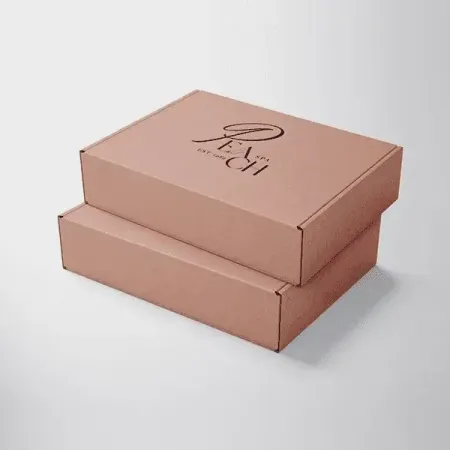
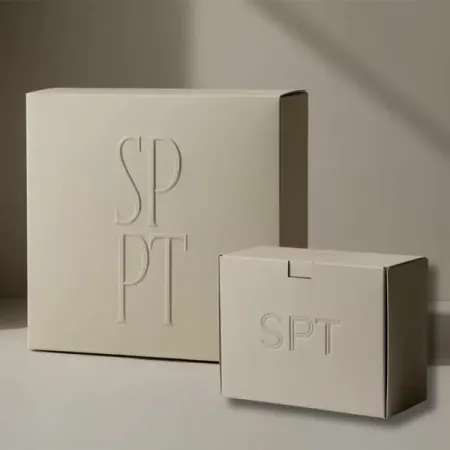
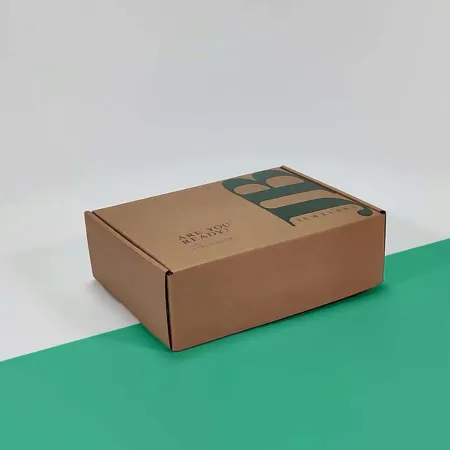
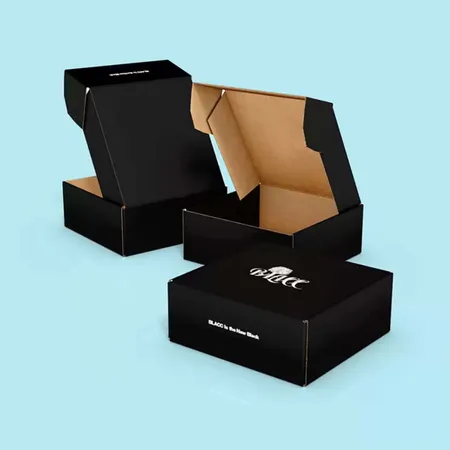
A plain mailer is mostly bare board with a small, deliberate mark. It might be a logo in one corner, a name on the side panel or a pressed emblem on the lid.
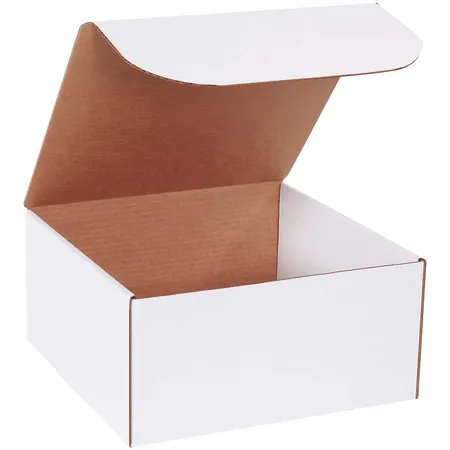
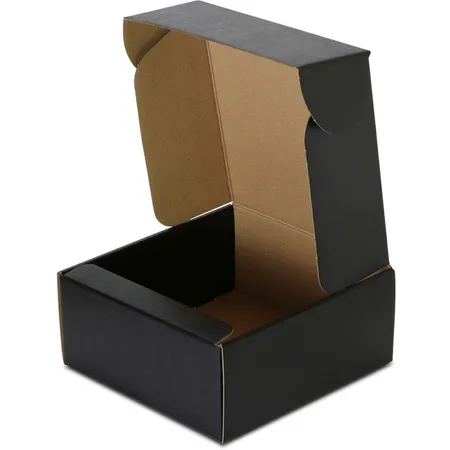
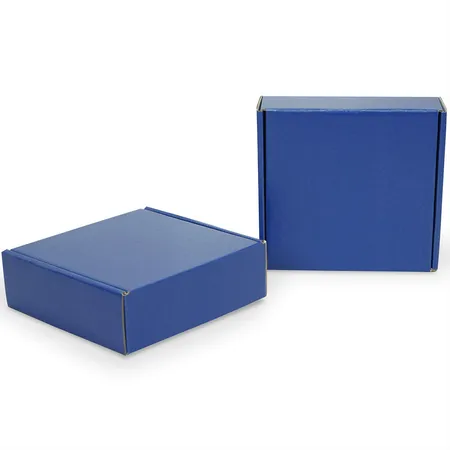
That is different from a box with no print at all. Our blank mailer boxes with no printing leave the shop bare, and you brand them yourself.
Plain boxes still go through a proof and print run. The difference is how little ink or decoration they carry.
Because the design is so small, every detail counts. Line weight, spacing and position decide whether the box looks considered or unfinished.
Style and board under a quiet design
Most plain mailers are roll end tuck front boxes. The clean lid and double side walls suit a minimal look, with no visible tape or flaps.
E-flute corrugated at 1.5 mm is the everyday choice for clothing, books and small homeware. B-flute at 3 mm adds strength for heavier pieces like ceramics.
For very light items, 18–24 pt paperboard gives a smooth, flat surface. A tiny logo prints sharpest on it, because there are no flutes under the ink.
Plain boxes put the structure on show. Crisp folds and square corners matter more here than on a busy printed box, so we check the cutting die closely.
Brands that prefer less on the box
Minimal fashion labels, ceramicists, stationery makers and specialty coffee roasters often ask for plain boxes. Their products are the design, so the box stays quiet.
Sellers with many product lines like them too. One plain box with a logo can carry every item in the catalog without looking wrong for any of them.
Business suppliers and B2B sellers choose plain boxes for a neat, serious look. A small logo is enough for a buyer who orders by account, not by impulse.
Some brands simply prefer restraint. A clean box with one mark can feel more confident than one covered in graphics.
Plain boxes also suit brands still settling on a look. A single mark is easy to update, and nothing else on the box needs redesigning.
White board or kraft board
With so little print, the board color is most of what the customer sees. That makes it the first decision.
White liner looks crisp and modern. It shows a one-color logo with high contrast, but it also shows handling marks.
Kraft liner is warm and natural, and it hides scuffs well. Dark inks read best on it, and light colors fade into the brown.
White ink on kraft is a striking plain option. A single white logo on brown board looks handmade but precise.
Compare the two side by side on our kraft mailer boxes on natural brown board page before you choose.
Ways to apply a single mark
There are four main ways to put one mark on a plain box. Each gives a different feel at the same small size.
The table compares them so you can match the method to your brand.
Size the mark to the box. On a small mailer, a logo about 1 to 2 inches wide usually looks right. Larger boxes can carry a bigger mark without losing the quiet feel.
Black, navy and deep green are the most popular single inks. They read well on both white and kraft.
| Method | Look | Works best on |
|---|---|---|
| One-color ink | Flat, clean and crisp | White or kraft, any size mark |
| Foil stamp | Shiny metallic accent | White board or matte lamination |
| Debossing | Pressed in, no ink | Kraft or uncoated white |
| Embossing | Raised, catches light | Thicker board and simple shapes |
Placing the mark, outside and inside
Placement matters more when there is only one mark. A centered logo on the lid is classic, but it is not the only choice.
A small logo near a front corner feels understated and modern. A name printed along the front edge shows when the box sits on a shelf.
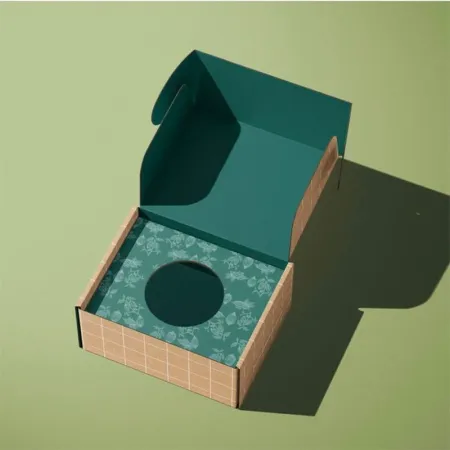
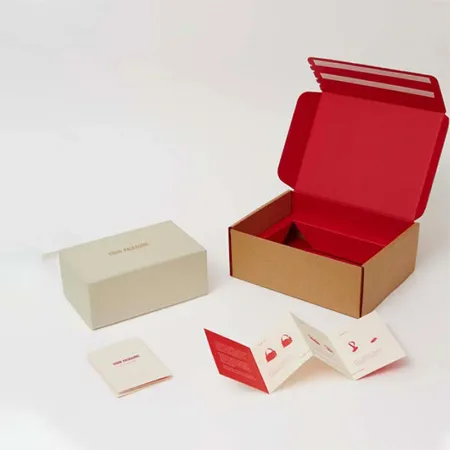
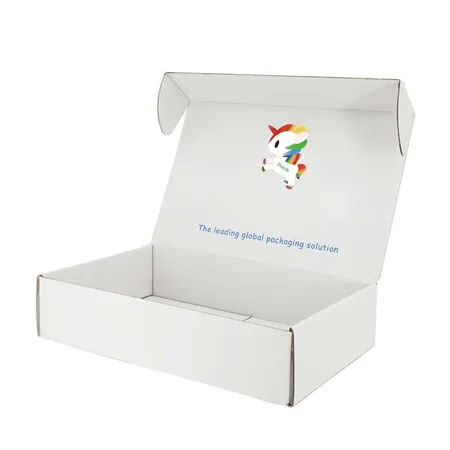
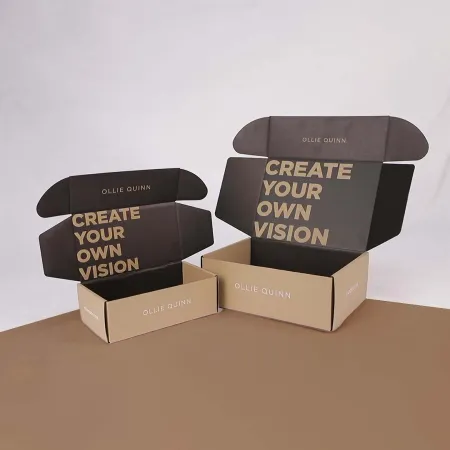
Marks on the inside flap stay hidden until the box opens. That keeps the outside fully plain while still branding the moment it opens.
Keep marks clear of fold lines and tuck edges, as small lettering cracks if it crosses a fold. Our guide on laying out a mailer box design shows each panel.
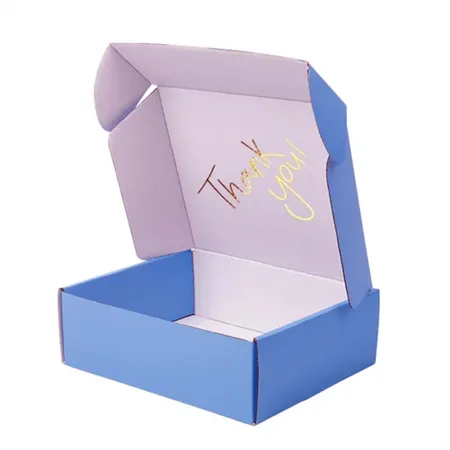
A popular plain setup is a bare outside with one printed line inside the lid. A thank you note, a website or a short phrase is common.
This keeps the parcel quiet in transit, then rewards the customer once it opens. It costs less than full inside print because only one small area carries ink.
Inside messages work best in one color that matches the outside mark. Two marks in the same color look planned.
Keep the wording short. A plain box sets a calm tone, and a long paragraph inside breaks it.
Steps to order a plain box
Plain boxes have fewer choices, but each one is more visible. Work through them in this order.
- Choose white or kraft liner.
- Decide on one ink color, foil, deboss or emboss.
- Pick the mark's size and position on the lid.
- Decide if anything prints inside.
- Choose uncoated, aqueous or matte coating.
- Check the proof for spacing around the mark.
Debossing for an ink-free mark
Debossing presses the logo into the board, leaving a shadowed shape with no ink. On kraft, it looks crafted and quiet.
It needs a simple logo with clear shapes. Fine lines and tiny text lose detail when pressed into corrugated.
A deboss is also a good choice when you want branding that never scuffs off. There is no ink layer to rub away in transit.
Debossing needs its own tool made for your logo. Keep the same logo across reorders so the pressed mark stays identical on every run.
A deboss pairs well with uncoated board, where the press shows clearly. See examples on our debossed mailer boxes page.
Keeping plain boxes looking clean
Plain boxes show every dent and scuff because there is no pattern to hide them. A bit of care keeps them sharp.
A small dent on a printed box disappears into the pattern. On a plain lid, it is the first thing a customer sees.
These habits help most.
- Pick kraft if boxes pass through busy warehouses.
- Fold boxes on a clean bench, away from ink and grease.
- Add aqueous coating or matte lamination on white.
- Keep flat stock in cartons until packing day.
- Leave a clear area for the shipping label.
- Use a matching sticker to seal the front edge.
Moving from plain to fuller print later
Plain boxes are often the first step for a new brand. As sales grow, many add a second color, an inside print or a pattern.
Your dieline and size stay the same, so the next run only changes the artwork. That keeps reorders simple.
Some brands keep plain boxes for everyday orders even after they grow. They add a printed sleeve or a special box only for gift seasons.
If you want ideas for that next stage, browse our color and finish options.
Proof, print and delivery
Your free proof shows the exact size and spot of your mark on the flat box. Adjust it as often as you like.
Plain runs print in 4–6 business days after approval and travel for 2–3 business days. Delivery costs nothing to the US, UK, Canada and Australia.
Tell us within 10 days if anything arrives misprinted or damaged, and we reprint or refund it. To start, request a plain mailer quote with your size and logo.