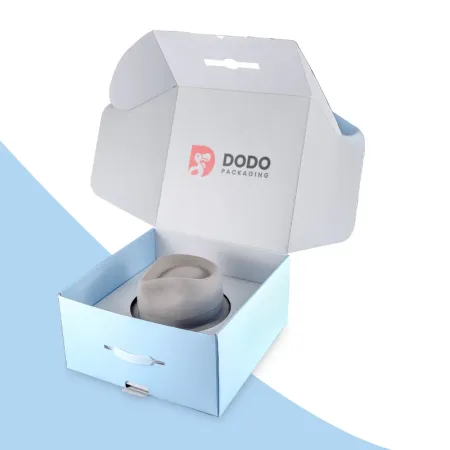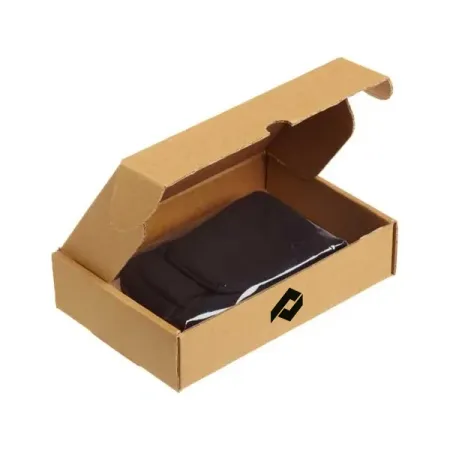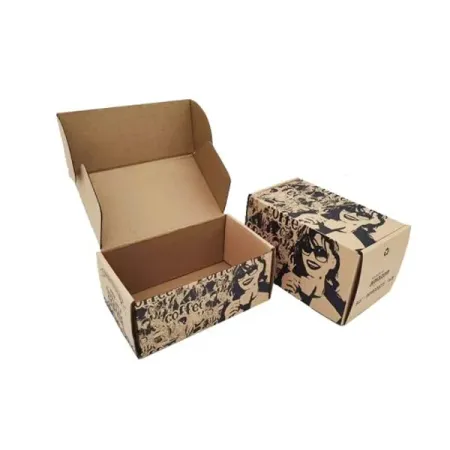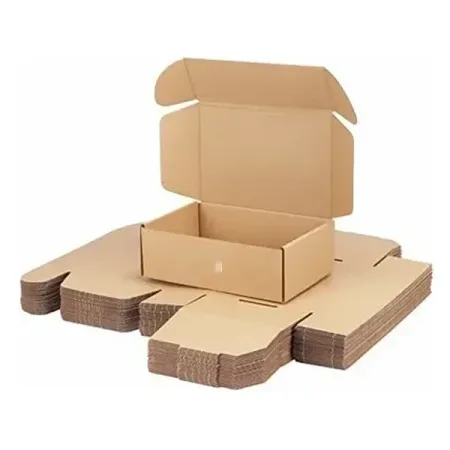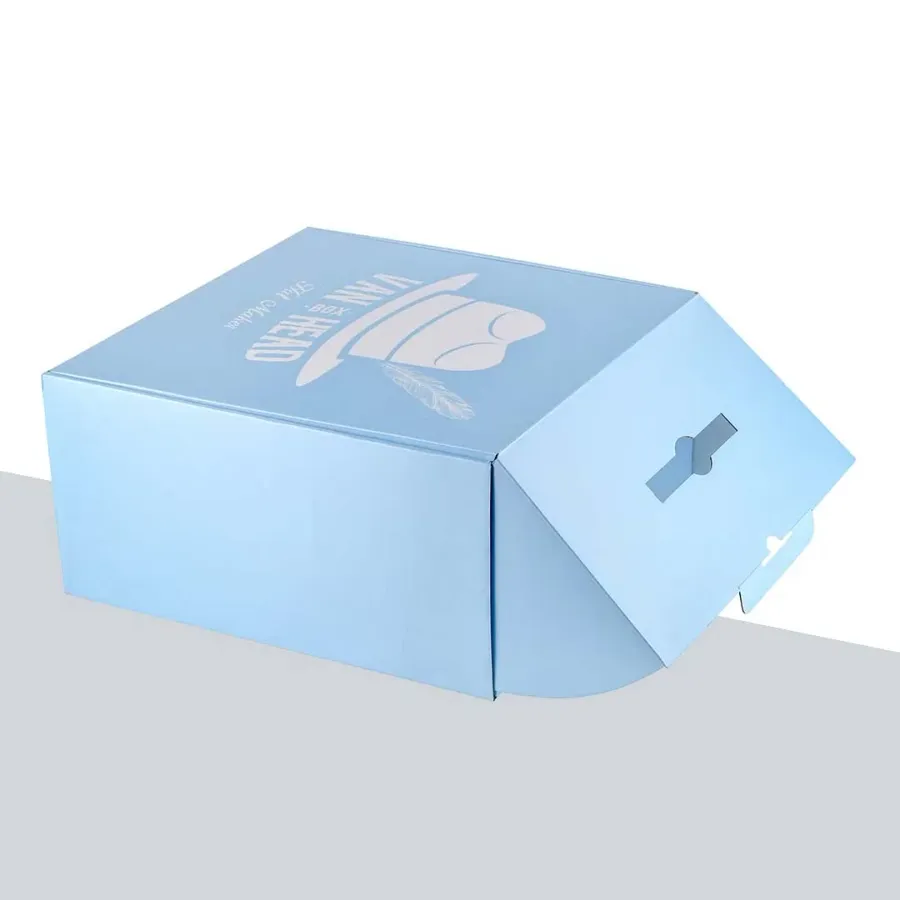
When a hat needs a shipping carton, not a mailer
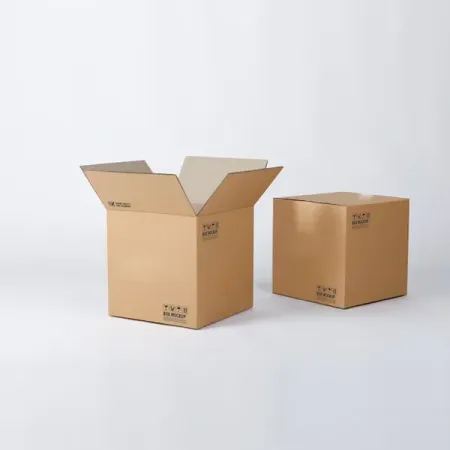
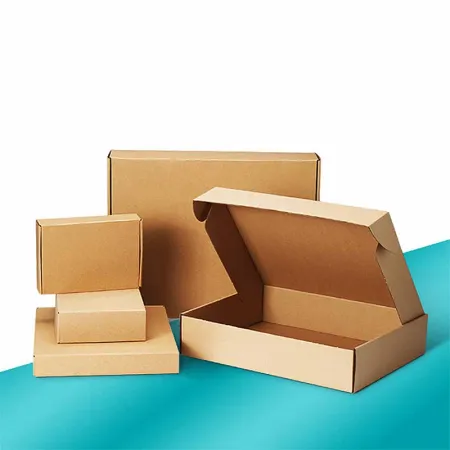
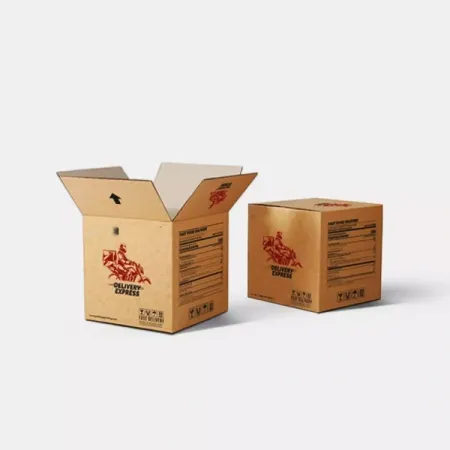
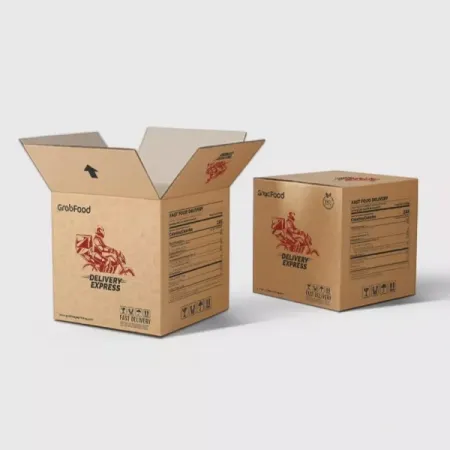
A printed mailer is made for the moment a customer opens it. A shipping box is made to survive sorting hubs, conveyors and the bottom of a stack.
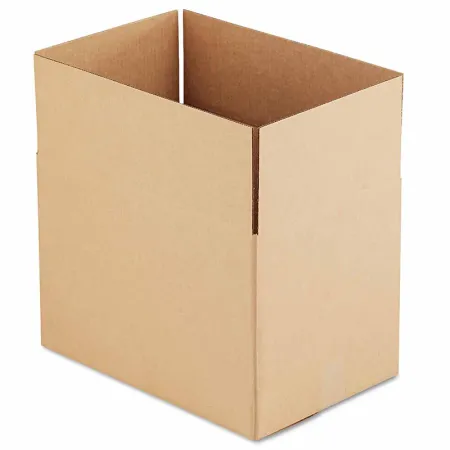
Choose this carton when weight or distance goes up. Wholesale cap orders, store replenishment and fragile wide-brim hats all fall into that group.
Some brands use both. They place a printed mailer inside and use this box as the outer layer for long or rough routes.
If the carton travels on a pallet, it needs to hold its corners under weight for days. A mailer is rarely built for that.
- Twelve or more caps going to one store
- Wide-brim hats that cannot be folded
- International parcels with several handoffs
- Event merch shipped to a venue in bulk
Who orders hat shipping boxes
Headwear wholesalers sending dozens of caps to boutiques are the main buyers. They want cartons that arrive square and stack neatly in a back room.
Western and sun hat makers order them for single hats with wide, stiff brims. A felt or straw brim bent in transit cannot be sold.
Promotional product suppliers use them to deliver branded caps to companies and teams. Merch managers for tours and festivals order cartons sized to their cap counts.
Subscription services that include a cap in a seasonal drop sometimes use them as the outer case. The member still gets a printed box inside.
Picking the flute for the load
B-flute corrugated is 3 mm thick and has more crush strength. It suits cartons of stacked caps and anything that will sit under other boxes.
E-flute is 1.5 mm, lighter and takes print better. It works for one or two hats going direct to a customer.
Our comparison of corrugated and paperboard box materials shows where each board stops being enough.
Weight matters as much as count. Wool and felt caps are heavier than cotton ones, so a carton of winter stock may need the stronger board.
| Shipment | Board | Why |
|---|---|---|
| Stack of structured caps to a store | B-flute | Holds shape under other cartons |
| Single wide-brim felt hat | B-flute | Keeps the brim from flexing |
| One or two caps direct to a buyer | E-flute | Lighter, cleaner print |
| Folded beanies in bulk | E-flute | Soft goods need less wall strength |
| Mixed caps and apparel case | B-flute | Extra weight from garments |
Wide-brim hats need their own approach
A wide brim is the weakest part of the hat. It must float, not touch the box walls, or the edges bend.
We make square cartons with a corrugated ring or platform that holds the crown. The brim then hangs free in the space around it.
Measure the brim edge to edge at the widest point and add room on every side. Height is crown plus a little clearance for tissue.
Straw hats are lighter but more brittle than felt. They need the same floating support plus a layer of tissue over the crown.
Western hats with a shaped crease should travel crown down on the support. Packing them brim down flattens the brim curl the maker set by hand.
Inserts and dividers that stop movement
Empty space is what damages hats in transit. A cap that can slide hits the wall each time the box tips.
Corrugated dividers keep stacks upright in a two-stack carton. A crown support holds a single hat in the center.
Ask about inserts when you request the quote, since they change the inside size. You can browse layouts on our page for boxes with fitted inserts.
Crumpled paper can fill small gaps around a stack. Avoid packing it tight against brims, since it presses the edges as it settles.
Printing that suits a transit carton
Shipping cartons get scuffed, taped and labeled. Heavy full color art is wasted on a box that will collect carrier stickers.
Most buyers print a one or two color logo on kraft. It identifies the sender, looks tidy at a store's receiving door and keeps the cost down.
Add a handling line such as this side up or hats inside, do not crush. Simple print like that changes how a carton gets treated.
Brands that want more color can print the inside instead. The outer stays plain and practical, while the person who opens the carton still sees your art.
Closing and labeling for carriers
Tape remains the standard closure for heavy cap cartons. A tuck front with tape across the seam holds well under weight.
A self seal strip speeds packing for lighter single-hat boxes. A tear strip makes opening easy for store staff who receive many cartons.
Leave a clear panel for the shipping label and packing slip. Labels stuck over printed art can peel at the edges in cold or damp weather.
Plain outer cartons for general stock sit in our shipping and subscription box range if you need them for other goods.
Mistakes that cost hat sellers in returns
Using a mailer meant for one cap to ship six is the classic one. The lid bulges, the tape splits and the top cap gets crushed.
Another is sizing a wide-brim carton too tight. The brim touches the wall and takes a permanent curve.
Skipping a divider in a two-stack carton is the third. The stacks lean into each other and the brims fold.
A carton that still arrives crushed or misprinted can be reported within 10 days. Our damage and reprint terms explain what we cover.
Over-taping is a smaller issue but real. Layers of tape on a printed panel tear the liner when staff cut the box open.
Quote, proof and delivery
Send your cap counts, measurements and logo through the hat carton quote request. Prices start from $0.30 per unit and are confirmed once board, size and quantity are set.
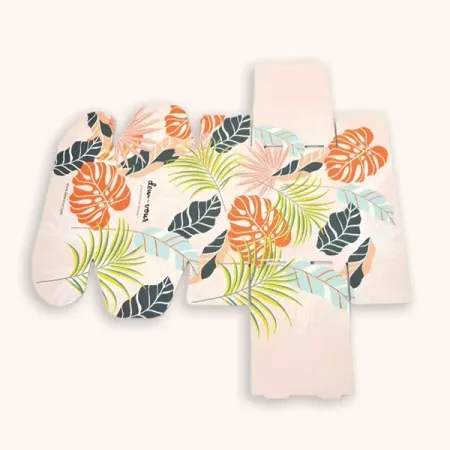
Our designers place your mark on the dieline free of charge. You get a digital proof and can ask for changes until it is right.
Hat cartons enter production after approval, and the run takes 4 to 6 business days. Cartons reach you in 2 to 3 business days with free shipping to the US, UK, Canada and Australia.
Phone or WhatsApp (503) 461-4788 if you are shipping to a store on a fixed date. You can also write to info@shopmailerboxes.com with the delivery window.
Pairing cartons with your retail packaging
If you also ship caps straight to consumers, a printed mailer gives them a better first impression. Our printed hat mailer boxes use the same measuring approach.
Keep carton sizes consistent across your range. Cartons of one footprint stack well on pallets and on a store's stockroom shelf.
Some wholesalers keep two sizes only, a half-dozen and a dozen. Fewer sizes means less stock to store and faster packing.