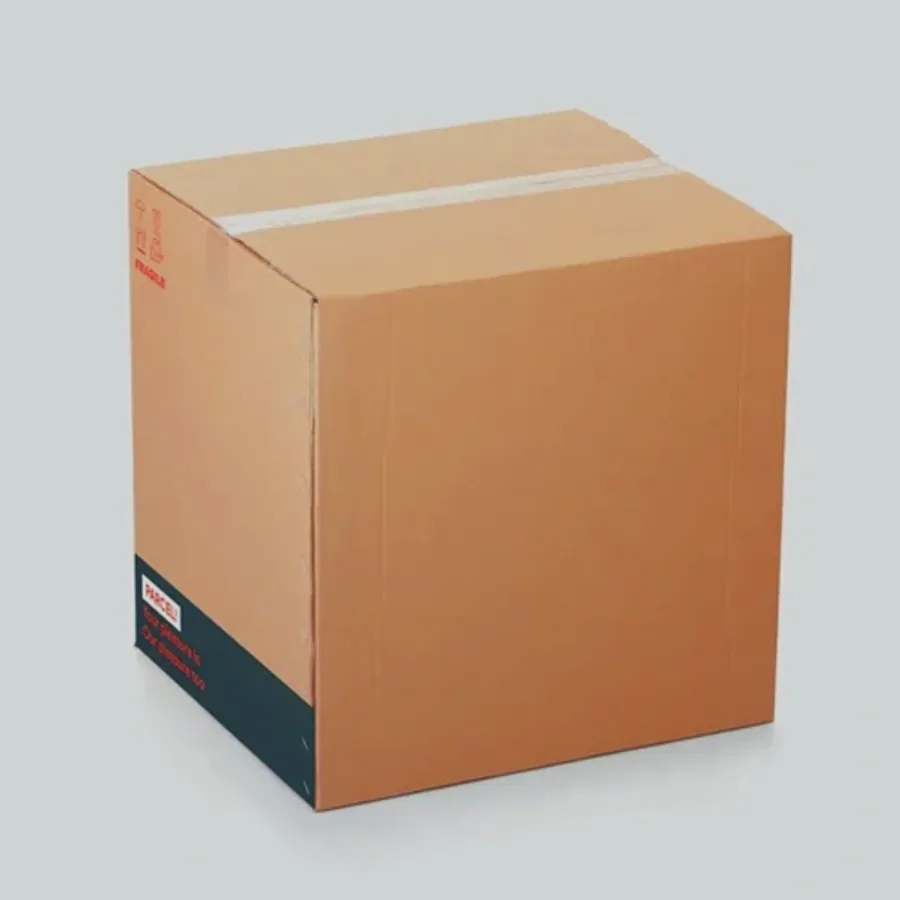
Who orders sports shipping boxes
The buyers are as varied as the gear. Each group has a slightly different reason for wanting a printed box.
Clubs care about team identity. Online gear sellers care about returns and repeat orders. Coaches care about getting kits to players without mix-ups.
If you sell into more than one sport or market, our mailer boxes by industry collection shows boxes built for neighboring categories.
- Online sporting goods stores and gear brands
- Youth clubs and school teams sending kit packs
- Fitness brands shipping bands, grips and small equipment
- Coaching programs and camps sending welcome kits
- Event organizers posting medals, bibs and race packs
- Fan shops selling scarves, caps and souvenirs
Matching board strength to the gear
Weight and shape decide the board. A pair of gloves and a pack of grip tape are light. A set of dumbbells or a full team kit is not.
E-flute corrugated at 1.5 mm handles most single items and keeps the box slim. B-flute at 3 mm gives more crush and puncture resistance for heavy or studded gear.
Think about how the box travels too. A parcel loaded under heavier freight needs more wall strength than one carried in a light sack.
Our custom corrugated shipping boxes page explains how flute size affects strength.
| Gear | Suggested board | Insert |
|---|---|---|
| Inflated ball | E-flute | Corrugated cradle or corner blocks |
| Cleats or spiked shoes | B-flute | Divider between the pair |
| Gloves and wraps | E-flute | Usually none |
| Shin guards and pads | E-flute | Paperboard tray |
| Small weights and grips | B-flute | Cut-out insert |
| Full team kit bundle | B-flute | Divider for each item |
Inserts for round, spiked and paired gear
Round items roll. A corrugated cradle or four corner blocks stop a ball from moving and protect the box walls from pressure.
Cleats and spiked shoes need a divider so the studs on one shoe do not scuff the upper of the other. The divider also keeps the pair facing the same way.
Small gear like grips, tape and mouthguards packs well in a cut-out insert. Each item has a slot, which also helps when a customer checks the contents against the order.
Corrugated inserts add cushioning. Paperboard inserts are lighter and better suited to soft goods.
Rackets, sticks and bats are a different case. Their length usually calls for a long, narrow box with end supports, which we size separately from the rest of your range.
Packing a team kit order step by step
Team orders mix sizes, names and numbers. A planned packing order prevents the most common complaint, which is a missing or wrong item.
This is the sequence we suggest for clubs packing kits in printed boxes.
- Sort kits by player name or number before packing.
- Place the heaviest items, such as shoes, at the base of the box.
- Lay folded shirts and shorts on top of a paperboard divider.
- Add socks, accessories and a contents card in the last layer.
- Close the lid and check the label matches the player.
- Seal with tape or a peel-and-seal strip for the trip.
Printing team colors and logos
Team colors are part of a club's identity. Pantone printing matches those colors closely across every box in the run.
Many clubs print the crest on the lid and a short message inside. A line such as the season name or a welcome note gives players something to remember.
Kraft boards with white ink suit outdoor and training brands that want a rugged look. White board shows bright team colors more vividly.
If your kits include shirts shipped separately, our shirt mailer boxes for apparel can carry the same team artwork.
Seasonal timing for clubs and stores
Sports volume follows the calendar. Preseason, registration windows and holiday gifting bring the biggest spikes.
Order boxes before the rush rather than during it. Production takes 4–6 business days after proof approval, and transit takes 2–3 business days more.
Leaving extra days for proof changes is wise when a club committee has to sign off. Group approvals often take longer than the printing itself.
Stores selling gift gear see a second peak before the holidays. A seasonal insert card can refresh a standard box without a new print run.
Flat boxes store easily, so clubs often order enough for a full season in one run.
Protecting gear on the way back
Sporting goods get returned for size swaps more than many other products. A box that survives the first trip can carry the exchange back.
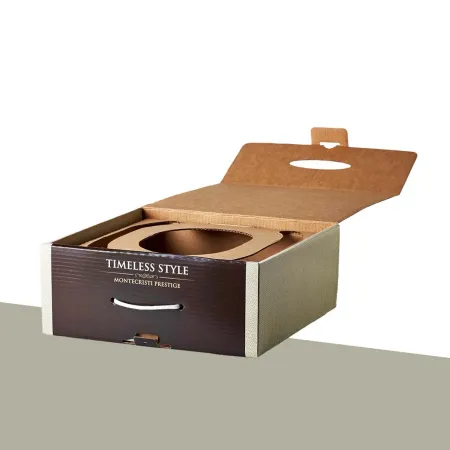
Strong corrugated walls and a firm closure make reuse more likely. An ear lock style holds the lid well when a customer closes it again at home.
A tear strip with a second adhesive strip lets the customer open the box once and reseal it for the return. Ask about this when you request your quote.
Our ear lock mailer boxes show how the locking ears hold the lid closed.
Mistakes on sports box orders
Gear is tough on boxes. These are the points that cause the most trouble once a run is printed.
Each one is cheap to fix before the proof is approved.
The first three affect protection. The last two affect how the order feels to the player or customer who opens it.
- Choosing E-flute for studded or heavy gear
- Sizing a ball box without allowing for inflation
- Packing a pair of cleats without a divider
- Approving team colors from screen rather than Pantone references
- Forgetting space for a contents or welcome card
Fragile and high-value equipment
Some sports products are more delicate than they look. Fitness trackers, eyewear and premium protective gear can scratch or crack.
For those items, use a fitted insert and a stronger board. Avoid loose fill that shifts during transit.
Our fragile item mailer boxes cover insert options for delicate products.
A matte lamination on the outside also hides scuffs from handling. High-value gear deserves a box that still looks clean at the doorstep.
Starting your sports box order
Send the gear sizes, weights and your logo or crest. We return a free digital proof with the dieline, insert layout and print placement.
Revise it as often as you need. Once approved, we make the boxes and ship them free to the US, UK, Canada and Australia.
Ready to price it? Request a sports box quote with your gear list and we will reply with options.
Clubs often post us one sample of each item. Fitting the real gear beats working from catalog measurements.